Abstract
Tiller development is an important agronomic trait in plant architecture and grain yield. Many plant hormones regulate axillary meristem formation, including bud outgrowth for shoot branching. However, the molecular mechanism underlying the brassinosteroid (BR) in tiller development is not yet well known. Therefore, in this study, we identified and characterized two novel T-DNA insertion mutants, osgras19 and osgras32, which showed the typical BR-deficient phenotype, such as fewer tiller numbers, dark-green leaves, and semi-dwarf phenotypes. Double knockout mutants, osgras19 osgras32, were then generated by crossing, and they showed similar phenotypic traits of each single mutant. Both OsGRAS19 and OsGRAS32 encoded the GRAS family proteins and were localized in the nucleus. We also confirmed that OsGRAS19 and OsGRAS32 did not directly interact with each other; however, OsGRAS19 interacted with MOC1 and SMALL ORGAN SIZE1 (SMOS1), an auxin-regulated APETALA2-type transcription factor, in yeast. Thus, we proposed OsGRAS19 as a component of the complex on the auxin-BR signaling pathway and plays role in the tiller development in rice.
-
Key words: Oryza sativa, OsGRAS19, OsGRAS32, Tiller development, Rice
INTRODUCTION
Shoot branching is one of the most important agronomic traits in rice. Tiller development determines plant architecture and panicle number, which affects the grain yield (
Tian and Jiao 2015).
Two steps modulate this tiller development process; axillary meristem (AM) formation and axillary bud outgrowth (
Li et al. 2003;
Wang and Li 2011;
Zhang et al. 2010). During AM formation, several genes, including
MONOCULM 1 (MOC1),
MONOCULM 3/TILLERS ABSENT 1/STERILE AND REDUCED TILLERING 1 (MOC3/TAB1/SRT1),
O. sativa homeobox1 (OSH1), LAX PANICLE1 (LAX1), and
LAX2, have been identified in several genetic studies to influence this process (
Li et al. 2003;
Oikawa and Kyozuka 2009;
Tabuchi et al. 2011;
Lu et al. 2015;
Tanaka et al. 2015;
Mjomba et al. 2016;
Xia et al. 2020). First is
MOC1, which encodes the GRAS family nuclear protein. Loss-of-function mutant MOC1 showed a lack of axillary buds and tillers, resulting in only one main culm (
Li et al. 2003).
OSH1, a homolog of Arabidopsis
SHOOT MERISTEMLESS (STM) and
Knotted1 from maize (
Zea mays), is preferentially expressed in AM and is required for AM (
Komatsu et al. 2003;
Tabuchi et al. 2011;
Tanaka et al. 2015).
OSH1 expression was abolished in the leaf axils but remained unaffected in shoot apical meristem in
MOC1 mutants (
Li et al. 2003). Nevertheless,
MOC3/TAB1/SRT1 encodes the rice ortholog of Arabidopsis
WUSCHEL (WUS) (
Lu et al. 2015;
Tanaka et al. 2015;
Mjomba et al. 2016;
Xia et al. 2020). Previous studies showed that the
MOC3/TAB1/SRT1 mutant reduced
OSH1 expression in the pre-meristematic region and exhibited a phenotype similar to those of the
MOC1 mutants. Furthermore,
LAX1 and
LAX2 encoded a bHLH transcription factor (TF) and a nuclear protein with plant-specific domains, respectively (
Tabuchi et al. 2011). Mutations in
LAX affected the initiation of AM and reduced tiller numbers (
Oikawa and Kyozuka 2009). However,
RICE FLORICULA/LEAFY (RFL)/ABERRANT PANICLE ORGANIZATION 2 (APO2) maintains AM specification and outgrowth through the
LAX1 and
CUP SHAPED COTYLEDON (CUC) genes (
Deshpande et al. 2015).
Plant hormones, including auxin, cytokinins, abscisic acid (ABA), ethylene, gibberellins (GA), jasmonate, strigolactones (SLs), and brassinosteroids (BR), coordinately play diverse roles in plant growth and development. All of them have been linked and are found to influence the synthesis and actions of each other either positively or negatively to regulate various hormone signaling pathways (
Smith et al. 2017). For the axillary bud outgrowth, several TFs control this process. First, rice
TEOSINTE BRANCHED1 (OsTB1) acts as a negative regulator of the outgrowth of axillary buds (
Minakuchi et al. 2010;
Takeda et al. 2003). Whereas
OsMADS57, MADS-box TF, enhances the axillary bud outgrowth by directly suppressing the expression of
DWARF14 (D14) (
Guo et al. 2013). Various environmental factors and plant hormones control these TFs. Furthermore, auxin and cytokinins affect the outgrowth of axillary buds (
Aya et al. 2014;
Wai and An 2017). In rice, polar auxin transporters,
OsPIN1,
OsPIN2, and
OsPIN3, are involved in tiller development (
Xu et al. 2005;
Chen et al. 2012;
Deshpande et al. 2015). An auxin-regulated
APETALA2-type TF,
SMOS1 (SMALL ORGAN SIZE1)/RLA1 (REDUCED LEAF ANGLE1), also controls tiller development through auxin–BR signaling crosstalk in rice (
Aya et al. 2014;
Hirano et al. 2017;
Qiao et al. 2017). Downregulation of
Cytokinin Oxidase 2, a cytokine-degrading enzyme, increases tiller numbers and improves yield in rice (
Yeh et al. 2015). Additionally, strigolactone (SL) suppresses axillary bud outgrowth (
Wang et al. 2013). SL biosynthesis genes and their signaling mutants,
DWARF10 (D10),
HIGH-TILLERING DWARF1 (HDT1), DWARF27 (D27), DWARF3 (D3), DWARF14 (D14), and
DWARF53(D53), have been characterized to increase the tiller number phenotype (
Zou et al. 2005;
Lin et al. 2009;
Zhang et al. 2010;
Jiang et al. 2013;
Wang et al. 2013;
Zhou et al. 2013;
Zhao et al. 2014).
Therefore, in this study, we characterized the novel OsGRAS19 and OsGRAS32 mutants, showing fewer tillers and erect leaf phenotypes. Both OsGRAS19 and OsGRAS32 proteins were localized in the nucleus. OsGRAS19 and OsGRAS32 did not directly interact with each other but interacted through SMOS1 in yeast.
MATERIALS AND METHODS
Plant materials
Dongjin (DJ) was used as the wild type (
Oryza sativa cv. Japonica). Therefore, to obtain the
osgras19 osgras32 double mutant,
osgras19 was crossed with the
osgras32 mutant. Subsequently, Dongjin,
osgras19,
osgras32, and
osgras19 osgras32 double mutants were germinated and then grown between June and October in the field at the Kyungpook National University (36 °N), Korea. Next, polymerase chain reaction (PCR) genotyping was performed using the specific primers (
Supplementary Table S1).
Total RNA isolated from the basal parts of shoots at 30 day after germination (DAG) using Qiazol and 2 µg total RNA was used for cDNA synthesis with 10 ng oligo (dT) primers following the manufacturer’s instructions (Solgent, Korea). Then, quantitative RT-PCR (RT-qPCR) was conducted with a CFX Connect Real-Time PCR Detection System (Bio-rad, USA), using TOYOBO THUNDER-BIRD SYBR qPCR Mix (TOYOBO, JAPAN).
OsActin was used as an internal control, after which relative expression levels were calculated using 2
−ΔΔCT (
Lee et al. 2019). PCR primers used are listed in
Supplementary Table S1.
The full-length cDNA of
OsGRAS19 and
OsGRAS32 was amplified by PCR using the primers listed in
Supplementary Table S1. For the localization assay,
OsGRAS19 and
OsGRAS32 full-length cDNAs were amplified with the
XbaI site and cloned into the pCaMV35S-RFP vector, respectively. Nuclear localized OsSNB:GFP vector was then used as positive control (
Lee et al. 2007).
OsGRAS19-RFP,
OsGRAS32-RFP, and the control vector were subsequently transfected into the rice Oc suspension protoplast via the electroporation method (
Lee et al. 2020). Then, expressions of GFP and RFP signals were monitored with fluorescence microscopy (Zeiss, Germany).
For the yeast vector construction, the coding sequences,
OsGRAS19,
OsGRAS32,
SMOS1, and
MOC1, were amplified by PCR. The PCR product was then cloned into the pBluescrpt vector (Stratagene, USA) and subcloned into pGADT7-AD and pGBKT7 vectors (Clontech, USA), respectively. To detect the interaction, we transformed the fusion construct into an AH109 strain. Subsequently, transformed strains were grown on SD/-Leu/-Trp, after which the interaction test was conducted in an SD/-Leu-Trp-Ade (Clontech, USA) medium at 30℃. Finally, pGBKT7-53 and pGADT7-T plasmids were transformed into a yeast strain and used as positive control. PCR primers are listed in
Supplementary Table S1.
RESULTS
Characterization of osgras19 and osgras32
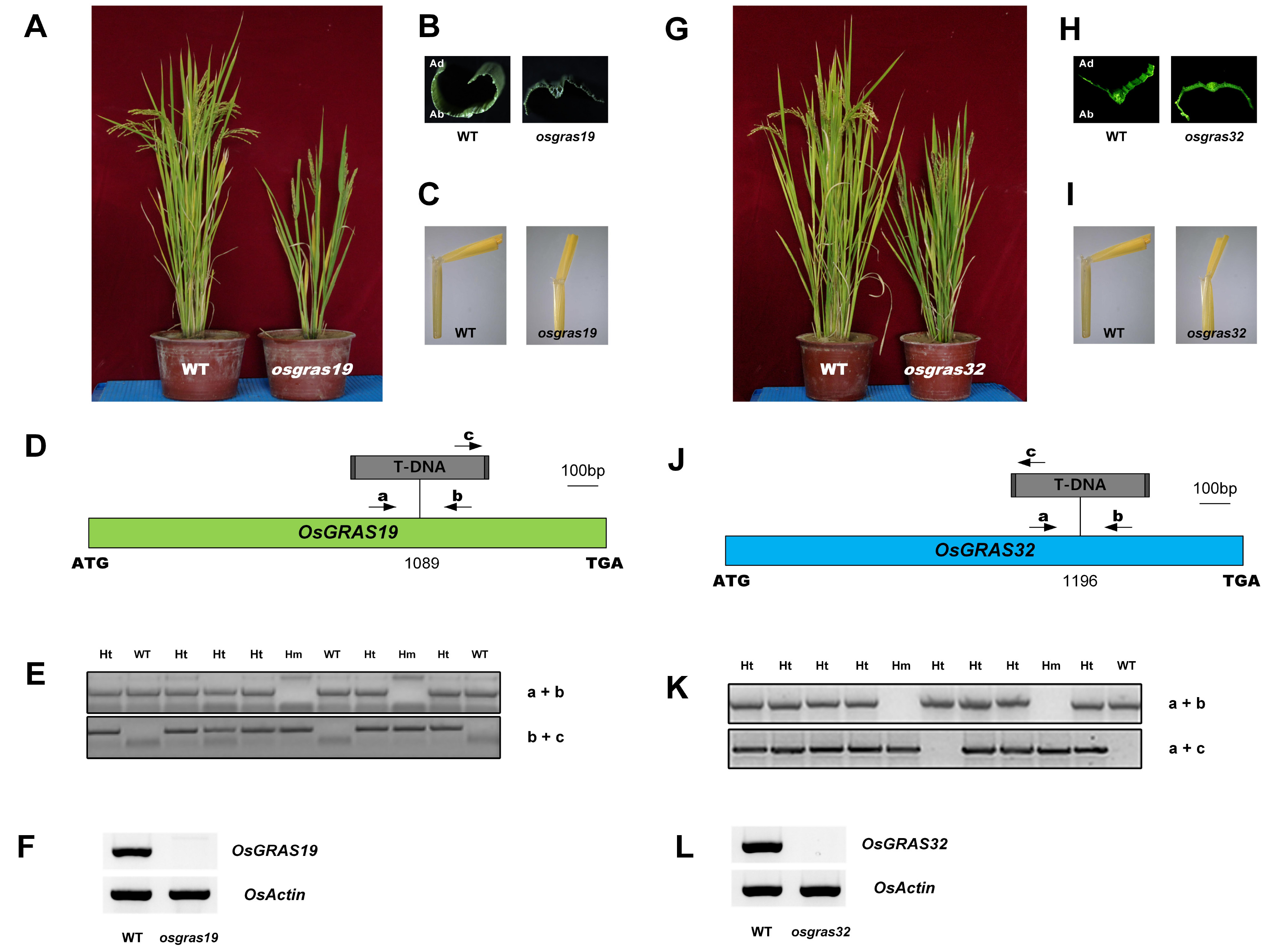
To isolate mutants expressing brassinosteroid, we screened and isolated two semi-dwarf and dark-green leaf color mutants from the T-DNA insertional mutant pool (
Jeon et al. 2000;
Jeong et al. 2002). Both mutants exhibited typical BR loss-of-function phenotypes, such as leaf erectness and semi-dwarfism, compared to the wild type (
Fig. 1A-C, G-I). Analyses of the flanking sequences of each mutant line demonstrated that T-DNA was integrated into
OsGRAS19 (
LOC_Os03g51330; PFG_ 3A-13006) and
OsGRAS32 (
LOC_Os06g03710; PFG_ 3A-02200) as previously identified, respectively (
Fig. 1D, J). The genotyping assay also indicated that both mutant phenotypes were co-segregated on T-DNA insertion (
Fig. 1E, K), and each full-length transcript was undetected in
osgras19 and
osgras32 single mutants, respectively (
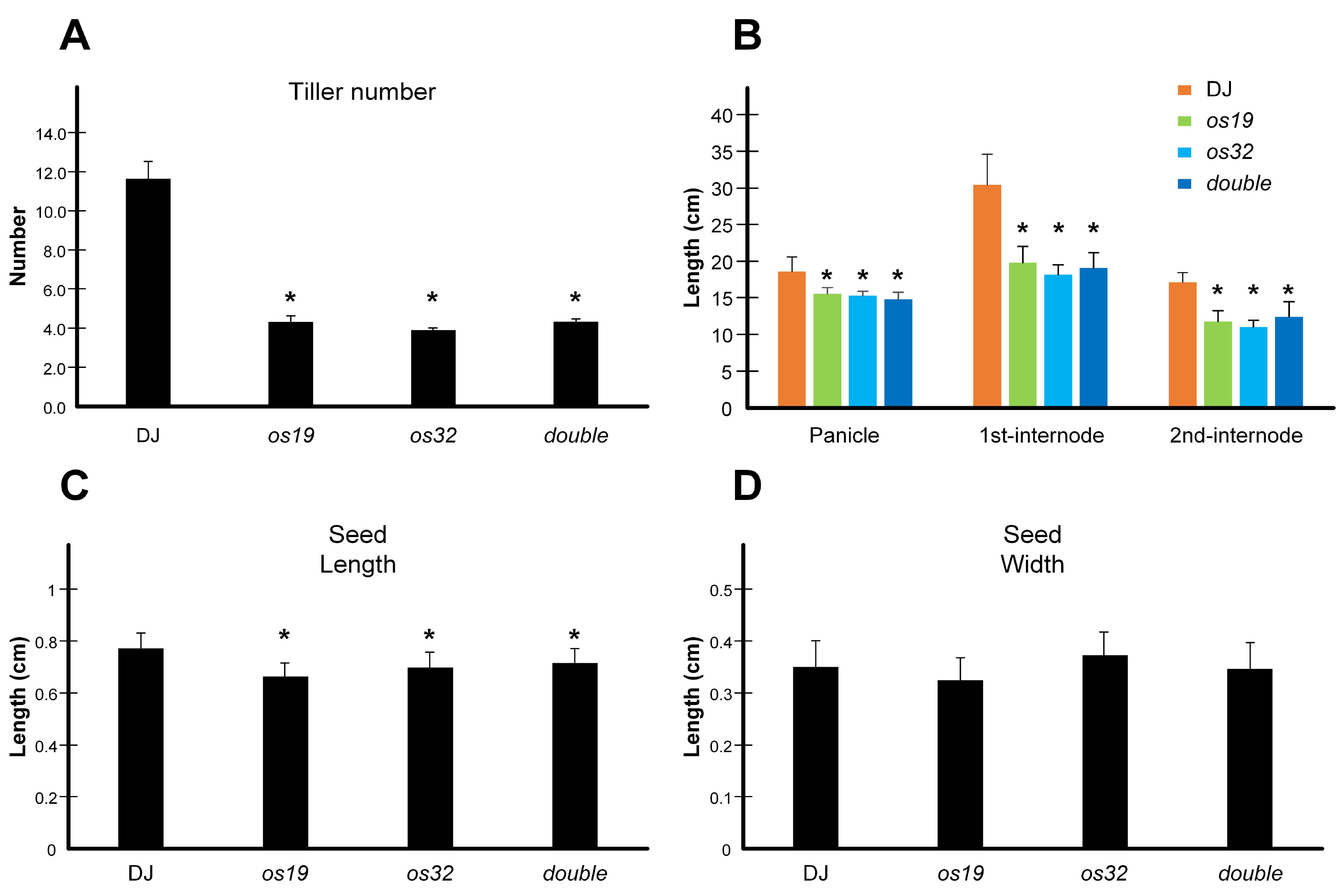
Fig. 1F, L). These results suggested that both mutants were null mutants. During the vegetative stage examination, homozygous plants of both T-DNA tagged lines showed similar phenotypes, such as semi-dwarf, leaf downward bending, fewer tiller numbers, and erect leaf phenotypes, respectively (
Fig. 1A, B, G, H,
Fig. 2A). The lamina joint bending angles of both mutants were also lower than the wild type (WT) and showed erect leaves (
Fig. 1C, I). At the mature stage, we analyzed the panicle length, internode length, and seed size in both mutants. As shown in
Fig. 2, both mutants showed shorter panicle phenotypes compared to the wild type. Furthermore, the first and second internode lengths of both mutants were significantly lower than that of the wild type (
Fig. 2B). In the grain length and width, both mutants, however, showed shorter grain length than the wild type (
Fig. 2C, D).
To analyze the relationship between
OsGRAS19 and
OsGRAS32, we obtained the double mutant,
osgras19 osgras32, from the progeny of the crossing population of
osgras19 with the
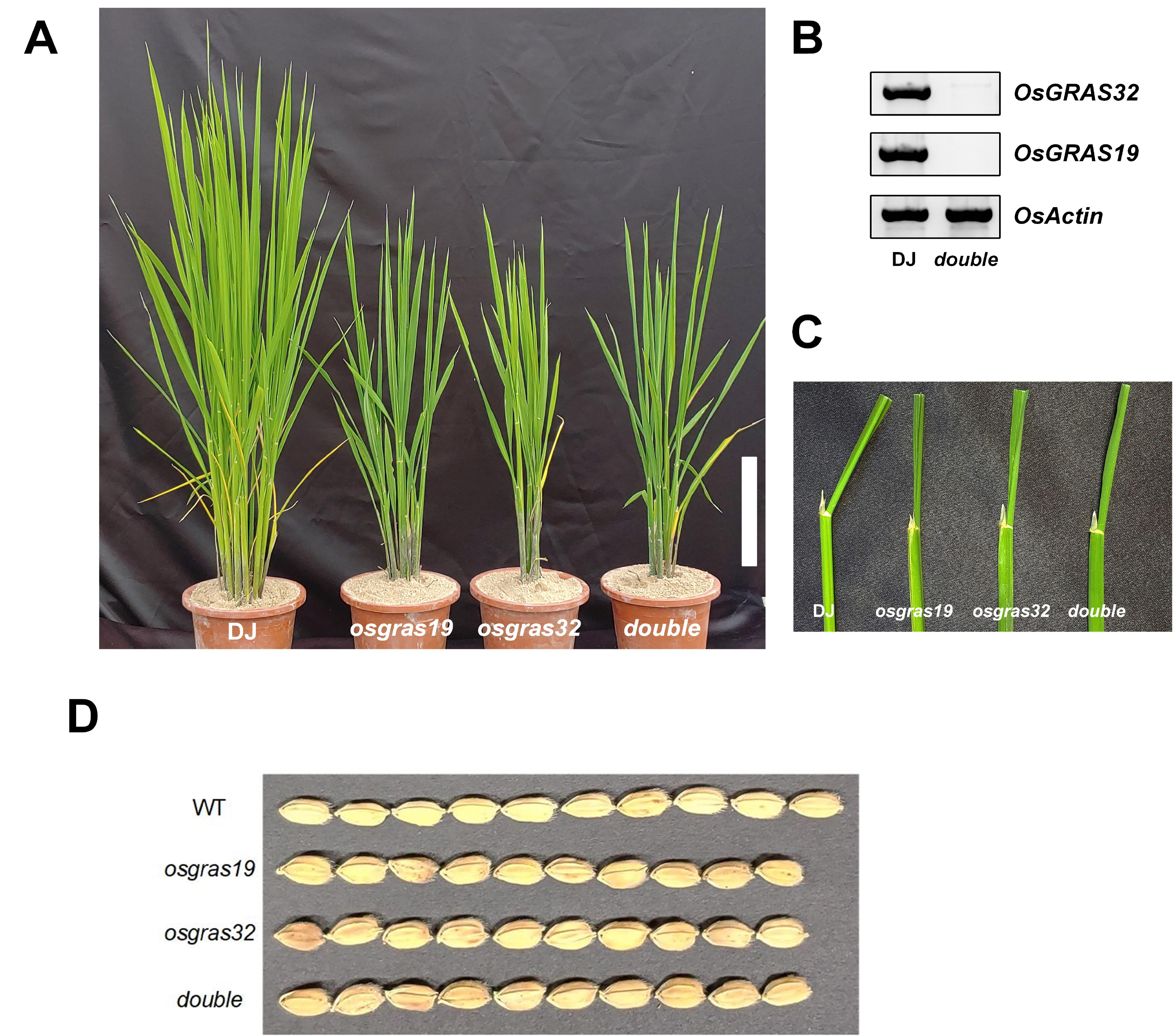
osgras32 single mutant (
Fig. 3A). Subsequently, RT-PCR showed that both
OsGRAS19 and
OsGRAS32 full-length transcripts were undetected in the double mutant (
Fig. 3B). At the heading stage, the double mutant also showed a similar phenotype incorporating each single mutant, such as leaf erectness and a less tiller phenotype (
Fig. 2,
3). We also observed that the grain length was significantly shorter in each single and double mutant compared to the wild type (
Fig. 2,
3D).
To study the cellular functions of
OsGRAS19 and
OsGRAS32, we constructed
OsGRAS19-RFP and
OsGRAS32- RFP fusion vectors using the
pCaMV35S-RFP vector (
Lee et al. 2007). Then, we transfected this vector into a rice protoplast that originated from an Oc suspension cell. The
OsSNB-GFP vector was used as a positive control (
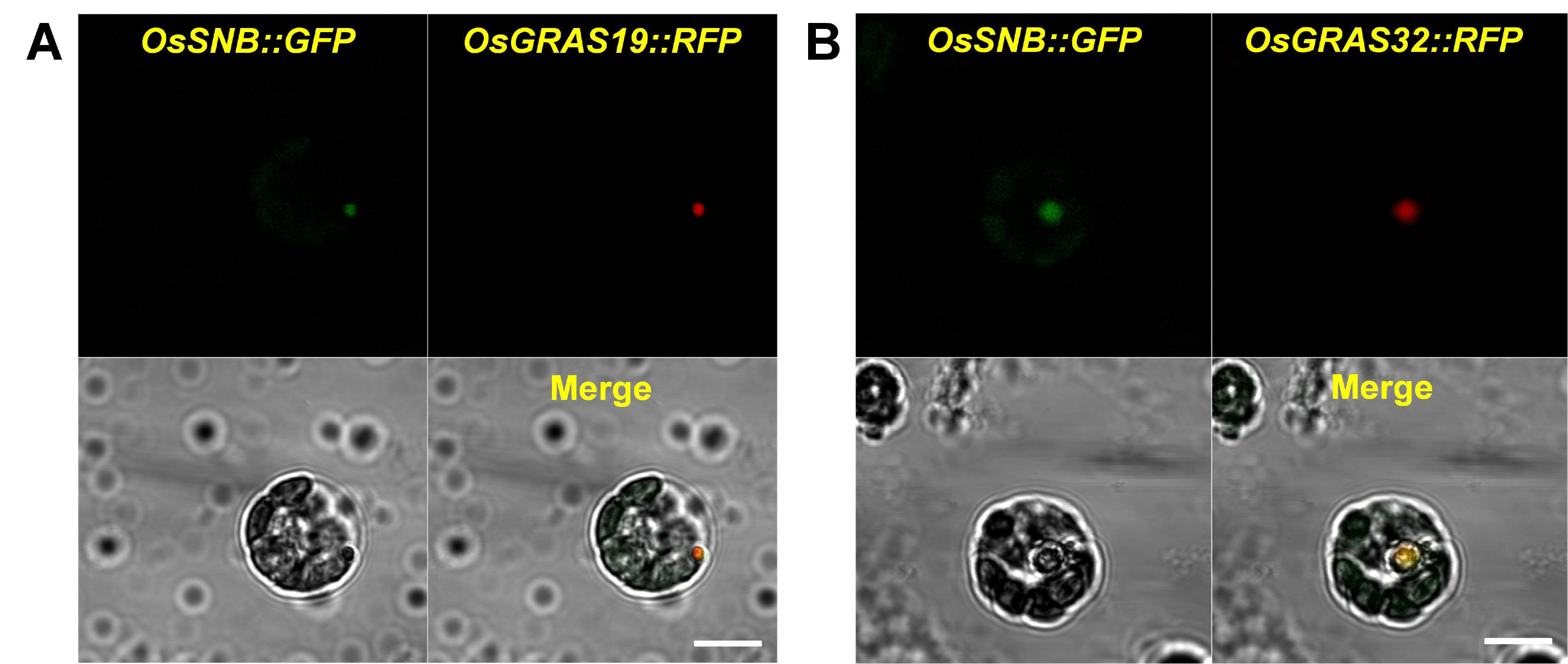
Lee et al. 2007). As expected, the OsSNB-GFP fused protein used as a positive control was detected in the nucleus, and both
OsGRAS19-RFP and
OsGRAS32-RFP signals were also localized in the nucleus (
Fig. 4).
Previous studies have been reported that GRAS proteins form homodimers or heterodimers with other GRAS proteins to regulate gene expression and protein function. For example, rice SLR1 forms a homodimer and functions as a negative regulator of GA action (
Itoh et al. 2002), Arabidopsis SHR-SCR and SCL3-RGA also forms a heterodimer for root radial patterning and GA signaling, respectively (
Cui et al. 2007;
Zhang et al. 2011). GRAS proteins also exert their functions by interacting with different types of transcription factors. Previous studies showed that
SMOS1, an auxin-regulated
APETALA2-type transcription factor, and
OsGRAS32/DLT1 interaction positively regulated the expression of rice
PHOSPHATE- INDUCED PROTEIN-1 (OsPHI-1) and lamina joint bending (
Hirano et al. 2017). Therefore, to test whether
OsGRAS19 and
OsGRAS32 can form heterodimers because their mutants showed fewer tiller phenotypes, we generated
OsGRAS19-BD and
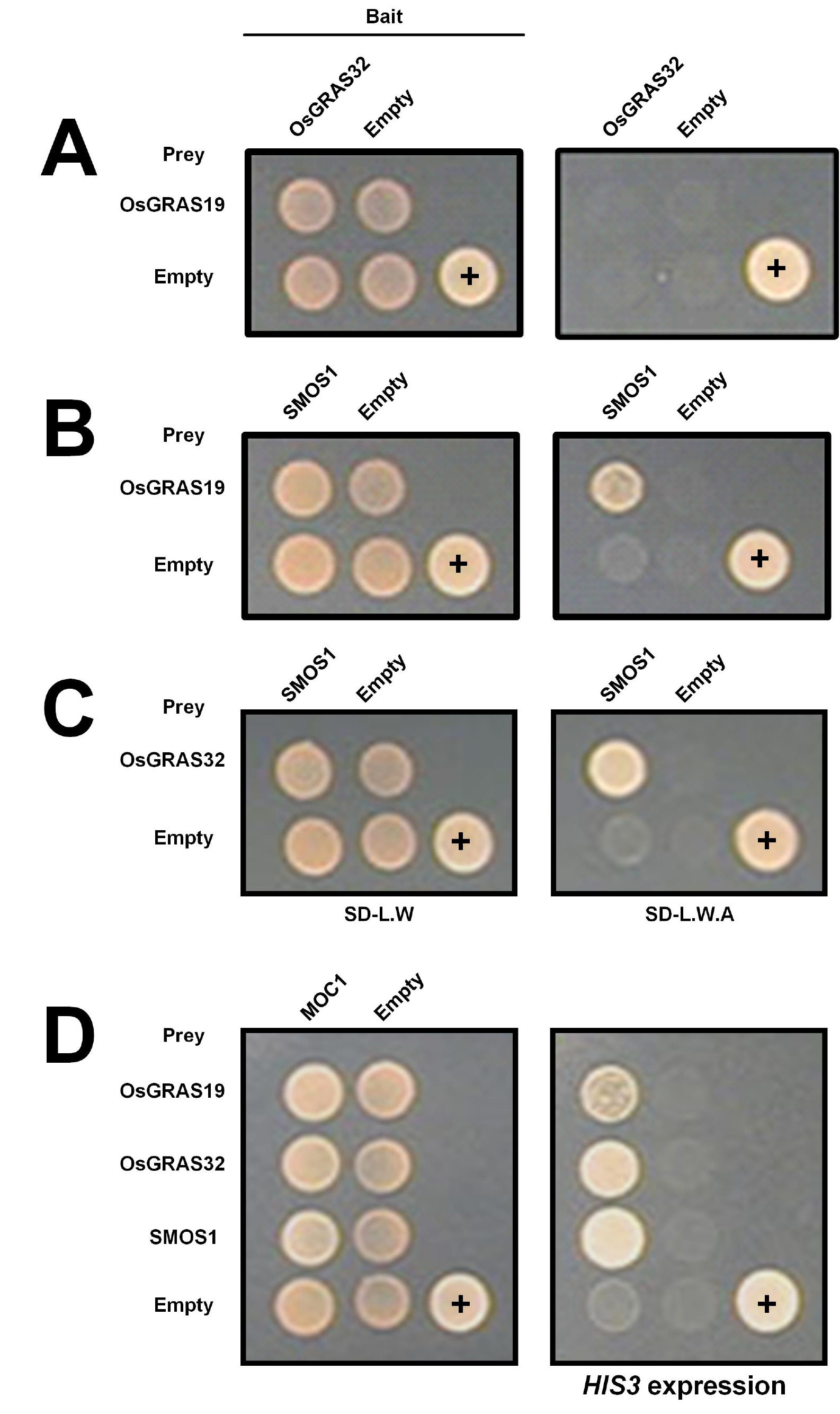
OsGRAS32-AD vectors and conducted a yeast two-hybrid experiment. As shown in
Fig. 5A, we did not observe direct interactions between OsGRA19 and
OsGRAS32 proteins. Nevertheless,
OsGRAS19 was shown to interact with SMOS1 (
Fig. 5B), which in turn interacts with the
OsGRAS32 protein. The SMOS1–OsGRAS32 interaction was used as a positive control (
Fig. 5C) (
Hirano et al. 2017). This result indicated that
OsGRAS19 should be a component of the SMO1–OsGRAS32 complex that is involved in the auxin–brassinosteroid crosstalk signaling pathway. Additionally, we also conducted interaction analysis with MOC1, a tiller bud formation regulator, which plays important roles in AM formation and outgrowth. Loss-of-function of
MOC1 showed the lack of axillary buds and a less tiller phenotype (
Li et al. 2003). We used MOC1 as bait. As shown in
Fig. 5D,
OsGRAS19,
OsGRAS32, and SMOS1 interacted with MOC1, respectively. These results indicate that rice GRAS proteins and SMOS1 can form complexes and function in various hormone signaling pathways and plant development processes.
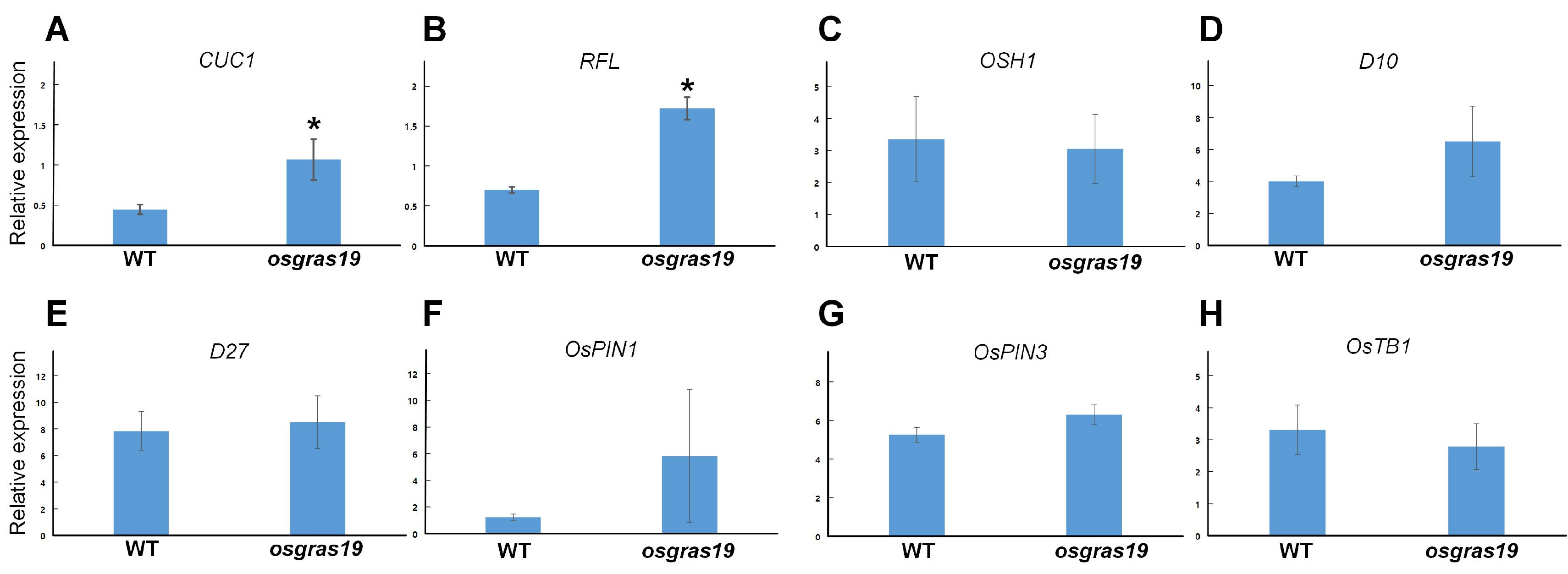
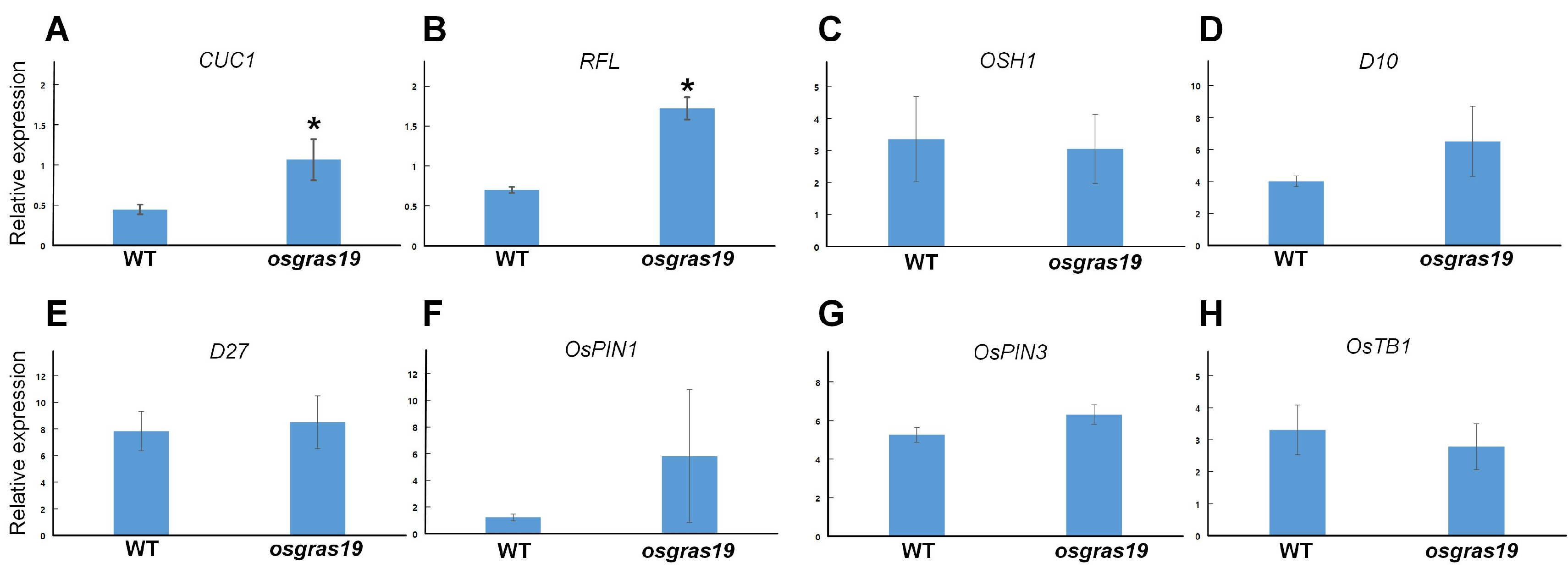
We investigated the expression levels of genes involved in tiller development in the
osgras19 mutant compared with the WT from the basal parts of culm tissues at 30 DAG. We also examined the expression levels of
CUC1, RFL, and
OSH1 genes, which are involved in AM development.
RFL and
CUC1 genes were significantly upregulated in the
osgras19 mutant (
Fig. 6A, B). Additionally, we monitored the expression levels of SL biosynthesis enzymes;
D10 and
D27. As shown in
Fig. 6D, E, the expression levels of
D10 and
D27 were not significantly altered in the
osgras19 mutant compared with the WT. Furthermore, auxin-related genes,
OsPIN1 and
OsPIN3, were not significantly changed in the mutant (
Fig. 6F, G). Expression of
OsTB1, negative regulator of the outgrowth of axillary buds, was not significantly altered in the mutant (
Fig. 6H). Therefore, these results indicate that
OsGRAS19 may be involve in AM formation.
DISCUSSION
GRAS family influences many processes in plants by regulating gene expression through homo/heterodimer interactions (
Itoh et al. 2002;
Cui et al. 2007;
Zhang et al. 2011). Contrarily, DELLA proteins, a member of GRAS transcription regulators, contribute to GA signaling (
Sun 2011). Results also showed that
OsGRAS32 positively regulated tiller development in rice (
Tong et al. 2012;
Hirano et al. 2017). Additionally, although the
OsGRAS19/D26 mutant is involved in seed size and BR signaling (
Chen et al. 2013;
Lin et al. 2019), little is known about how brassinosteroid hormones control tiller development. Therefore, in this study, we isolated and characterized two novel T-DNA insertion mutants,
osgras19 and
osgras32, which encode GRAS family proteins and influence the BR signaling pathway. We found that the two
osgras19 and
osgras32 mutants showed fewer tiller phenotypes, erect leaves, and semi-dwarf phenotypes, including defects in the elongation of the first and second internode at the reproductive stage. Therefore, we provided evidence that
OsGRAS19 and
OsGRAS32 are nuclear proteins, which indirectly interacted through the SMOS1 in yeast. We also found that MOC1 interacted with other GRAS proteins, such as
OsGRAS19 and
OsGRAS32, and auxin-regulated
APETALA2-type TF, SMOS1 in yeast. Recently studies showed that stability of D53 and/or the OsBZR1–SMOS1–OsGRAS32 module is important for controlling rice tiller development through modulates the
OsTB1 expression in SL and BR signaling pathways (
Fang et al. 2020;
Hu et al. 2020). Our data showed that
OsGRAS19 interact with SMOS1. It would be interesting to determine whether
OsGRAS19 also shares the OsBZR1–SMOS1–OsGRAS32 module in the SL-auxin–BR signaling pathway and investigate how rice GRAS proteins and the SMOS1 complex regulate tiller development in rice. Additionally, we observed that expressing
CUC1 and
RFL, which are AM formation genes, were upregulated in the
osgras19 mutant. Some conserved regulatory mechanisms of AM formations were found in monocots and dicots. RFL modulate the expression of
CUC and
LAX1 in rice (
Deshpande et al. 2015) and expression of
RFL, CUC2, and
CUC3 are overlapped in leaf axil. (
Hibara and Nagato, 2006;
Rao et al. 2008). In Arabidopsis
CUC1, CUC2, CUC3, and
LAS (LATERAL SUPPRESSOR), an Arabidopsis homolog of
MOC1, regulate the initiation of AM and their expressions were overlapped in leaf axil (
Greb et al. 2003;
Vroemen et al. 2003).
LAS and
STM expression are downregulated in the
cuc mutants in Arabidopsis (
Hibara et al. 2006;
Raman et al. 2008). Phylogenetic analysis divides the GRAS gene family into eight subfamilies, which have distinct conserved domains and functions in rice (
Tian et al. 2004). Only
OsGRAS19 and
OsGRAS7 belong to
MOC1 group (
Tian et al. 2004) and
OsGRAS19-MOC1 interaction was found in this study. Less tiller phenotype of
osgras19 mutant was similar to that observed in the
MOC1 mutant (
Li et al. 2003). Therefore, we postulate that
OsGRAS19 and
MOC1 may cooperatively regulate the initiation of AM and promote tiller development, and understanding any relationship between
OsGRAS19,
MOC1, and
CUC requires further studies in rice.
SUPPLEMENTARY MATERIALS
ACKNOWLEDGEMENTS
The authors thank Sang Dae Yun and Junbeom Park for taking care of the rice plants.
Notes
-
FUNDING
This research was supported by Kyungpook National University Development Project Research Fund, 2018.
-
CONFLICT OF INTEREST
There are no conflicts of interest to declare.
Fig. 1Phenotype analysis of osgras19 and osgras32 mutants. (A, G) Phenotypes of osgras19 and osgras32 plants. (B, H) Leaf phenotypes of osgras19 and osgras32 plants at the mature leaf stage. (C, I) Comparison of lamina joint bending phenotypes of both mutants. (D, J) The genomic structure of OsGRAS19 and OsGRAS32. Primers (a, b, and c) used for genotyping. (E, K) Genotyping analysis of osgras19 and osgras32 mutants. Phenotypes were co-segregated with T-DNA insertion. (F, L) RT-PCR of OsGRAS19 and OsGRAS32 transcripts in the WT and osgras19 and osgras32 mutants. OsActin was used as a control.
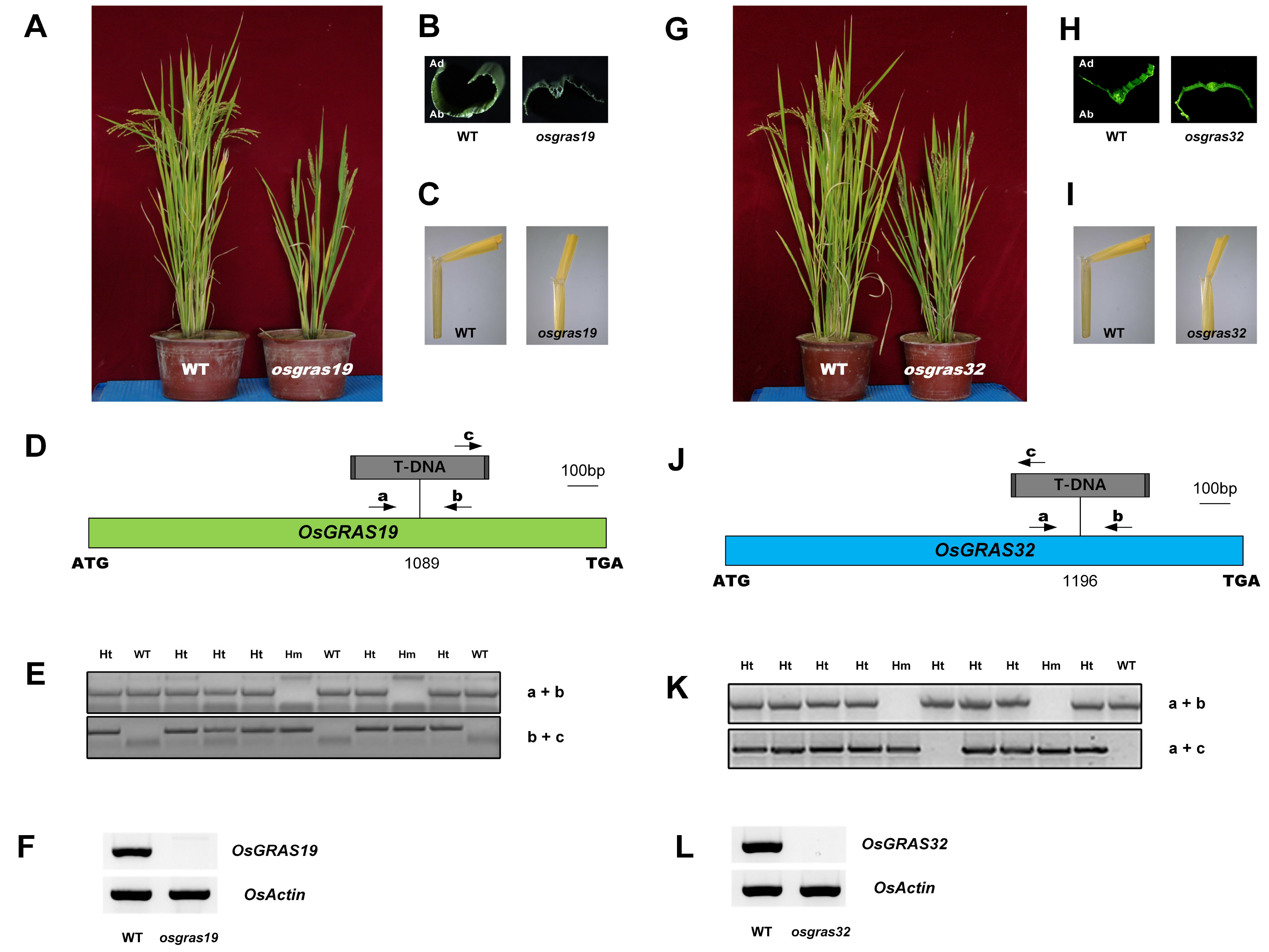
Fig. 2Phenotype analysis at the reproductive stages in single and double mutants. (A) Comparison of tiller numbers at the heading stage. (B) Analysis of the panicle, 1st internode length, and 2nd internode length. (C, D) Analysis of seed length and width of the mutants. Error bars indicate the standard deviation (SD). (*P < 0.001, Student’s t-test). DJ, os19, os32, and double represent Dongjin (WT), osgras19, osgras32, and osgras19 osgras32 double mutant, respectively.
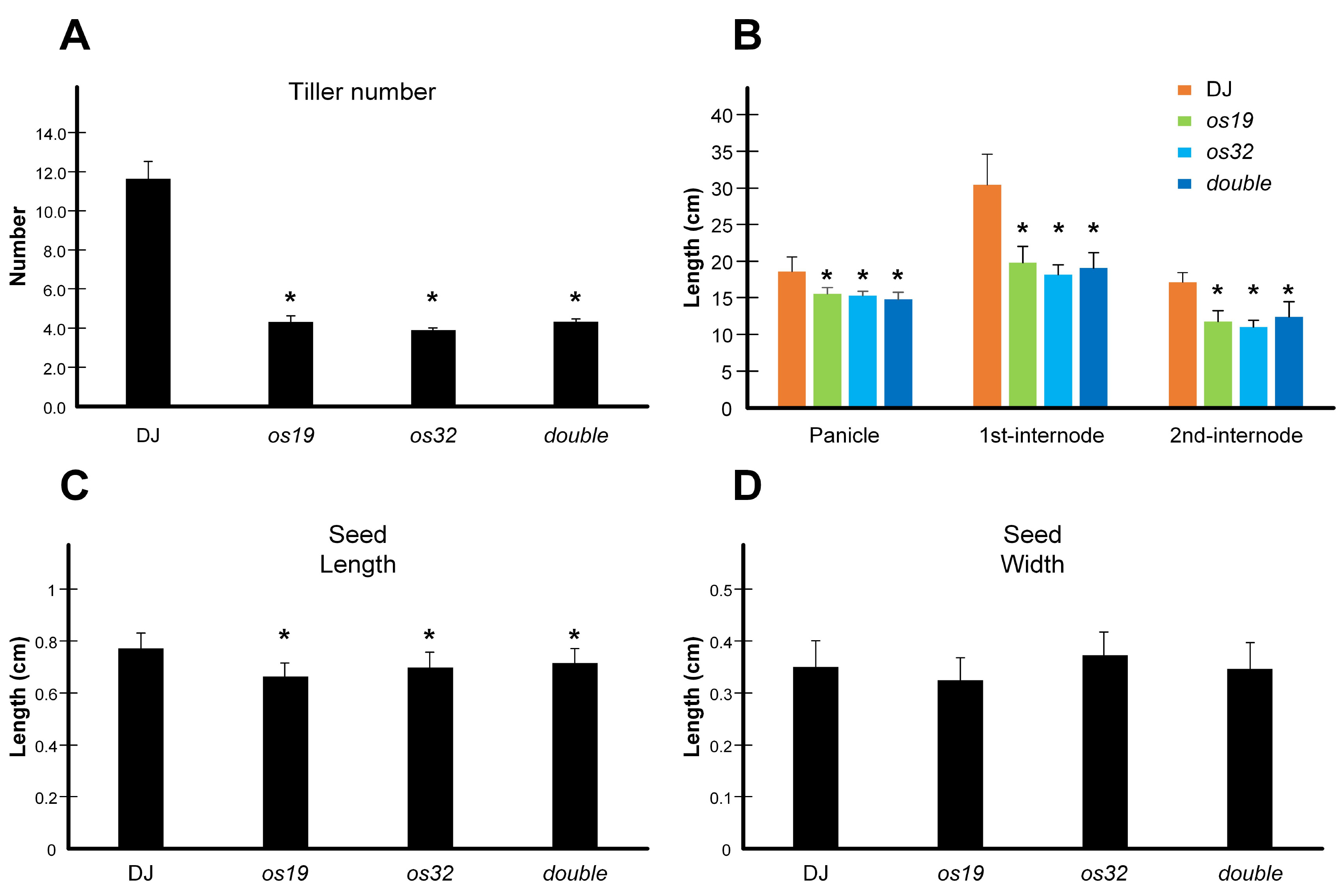
Fig. 3Phenotypes of single and double mutants. (A) Phenotypes of single and double mutants at the heading stage. Bar = 20 cm. Double means double mutant. (B) RT-PCR of OsGRAS19 and OsGRAS32 transcripts in the WT and osgras19 osgras32 double mutant. OsActin was used as a control. (C) Comparison of leaf angles (D) Comparison of grain sizes between DJ (WT), osgras19, osgras32, and the osgras19 osgras32 double mutant.
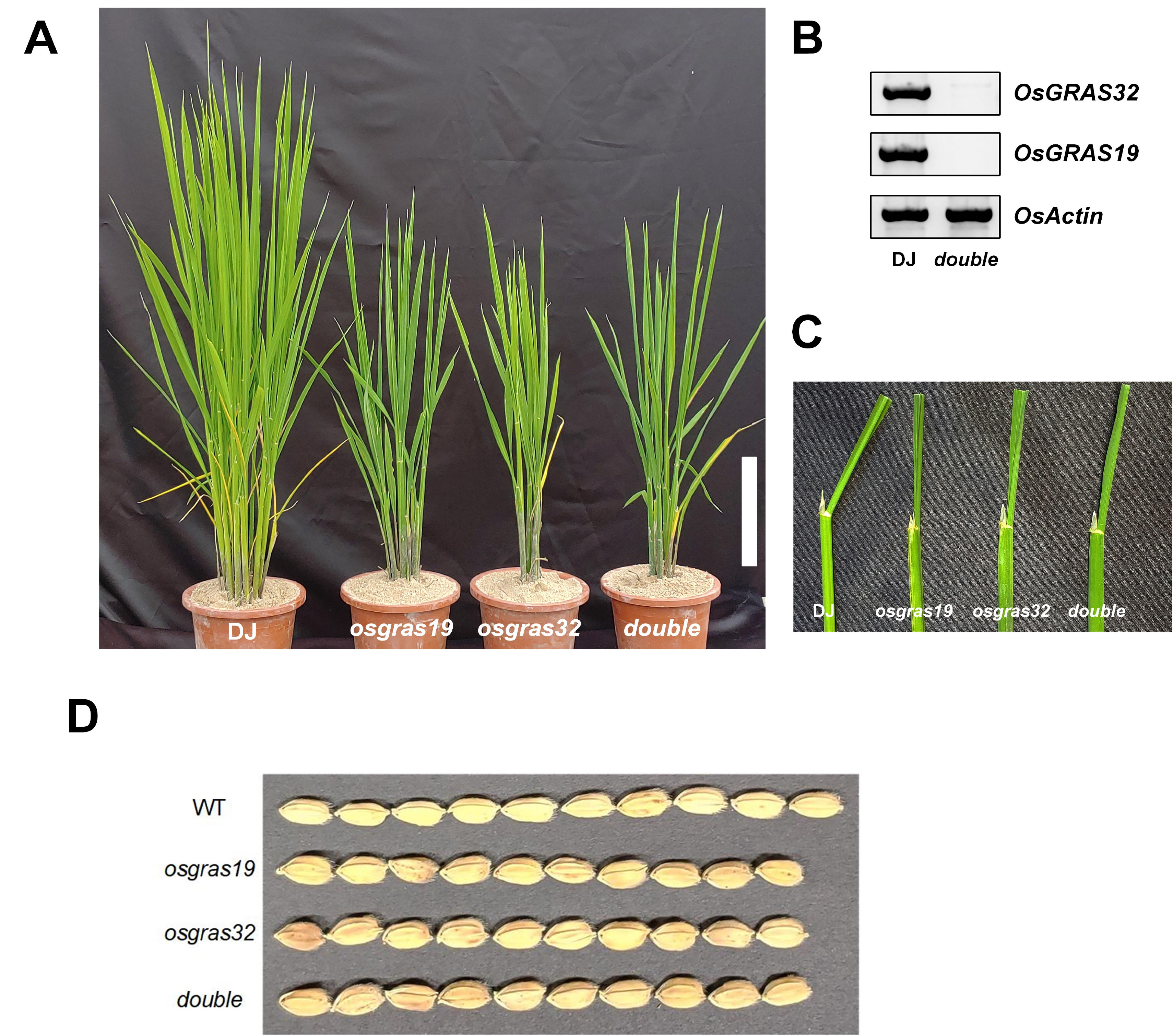
Fig. 4Localization of OsGRAS19 and OsGRAS32 proteins. Rice protoplasts were co-transfected with p35S::OsSNB-GFP (positive control), p35s::OsGRAS19-RFP (A), and p35s::OsGRAS32-RFP (B), respectively. Bar = 10 µm.
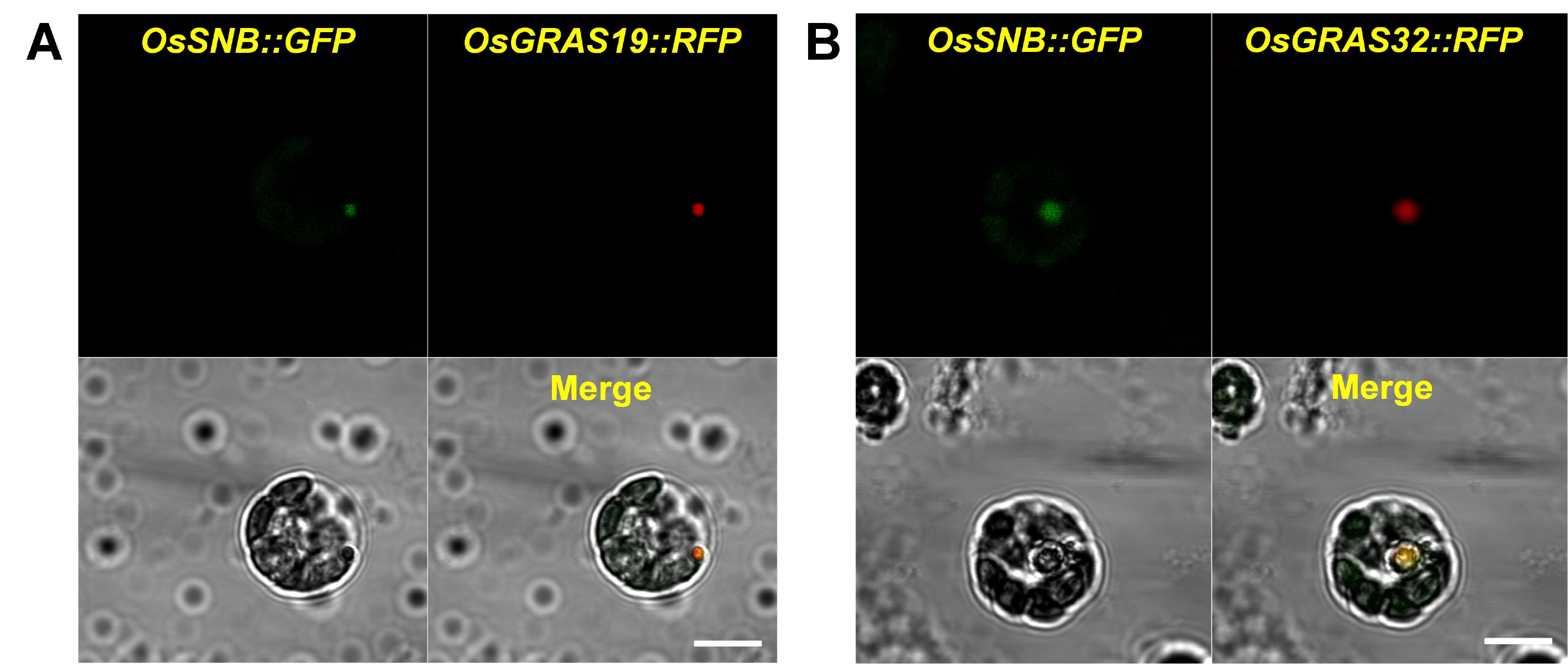
Fig. 5Yeast two-hybrid analysis. (A) Interaction tests between OsGRA19 and OsGRAS32, (B) OsGRAS19 and SMOS1, (C) OsGRAS32 and SMOS1. The yeast cells were grown on SD/LW, after which an interaction assay was conducted on the SD/LWA medium at 30℃. (D) Interaction analysis between MOC1 and OsGRAS19, OsGRAS32, SMOS1. MOC1 was used as a bait, whereas the proteins, OsGRAS19, OsGRAS32, and SMOS1, were used as prey. Interaction assay was performed in SD/-Ade/-His medium at 30°C. pGBKT7-53 and pGADT7-T plasmids were used as positive control (+).
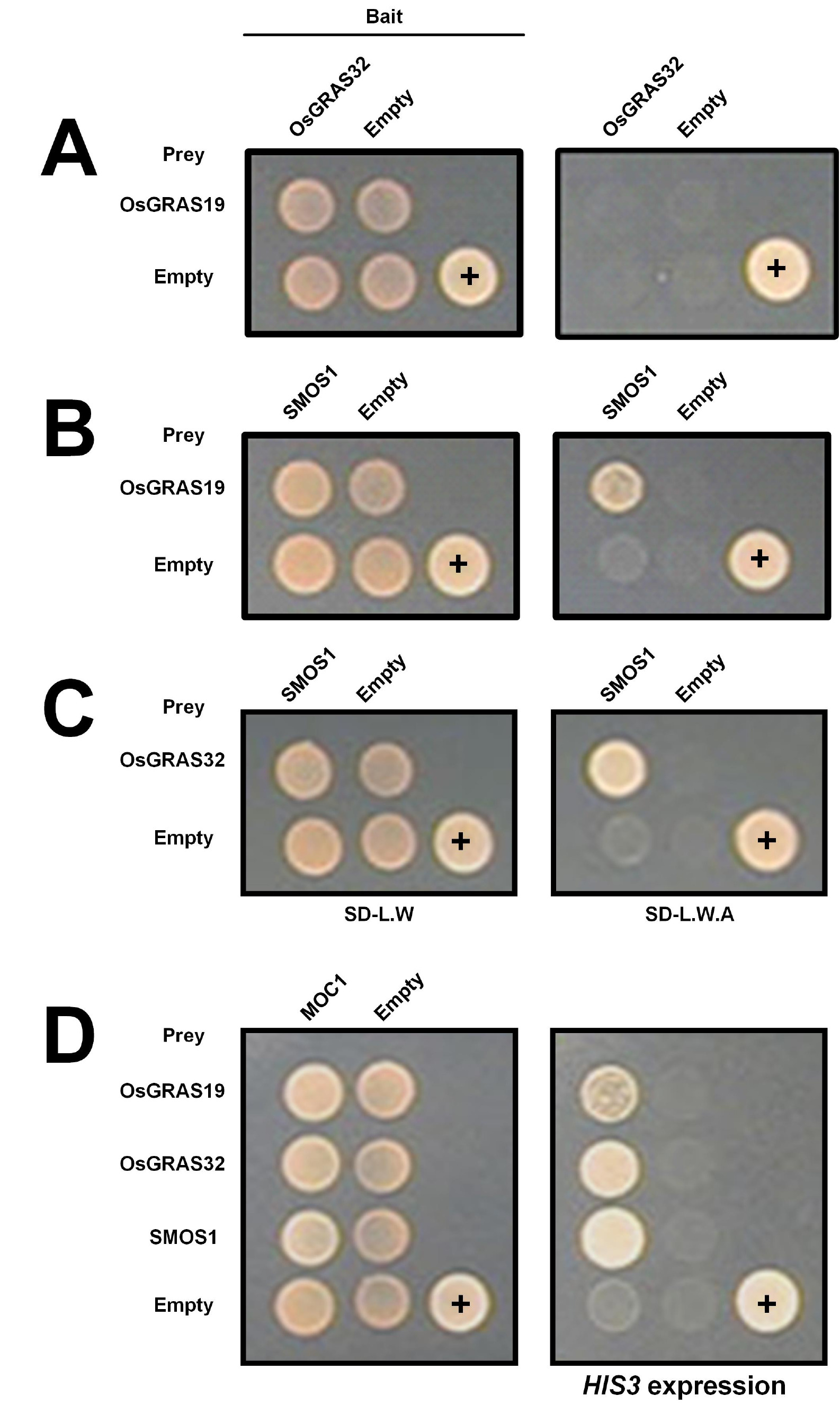
Fig. 6Expression levels of genes that control tiller development at 30 DAG. (A-C) Axillary meristem formation-related genes. (D-E) SL biosynthesis genes. (F-G) Auxin signaling genes. (H) Axillary bud outgrowth genes. *P < 0.01 indicates statistical significance.
References
- Aya K, Hobo T, Sato-Izawa K, Ueguchi-Tanaka M, Kitano H, Matsuoka M. 2014. A novel AP2-type transcription factor, SMALL ORGAN SIZE1, controls organ size downstream of an auxin signaling pathway. Plant Cell Physiol.. 55: 897-912.
- Chen L, Xiong G, Cui X, Yan M, Xu T, Qian Q, et al. 2013. OsGRAS19 may be a novel component involved in the brassinosteroid signaling pathway in rice. Mol. Plant. 6: 988-991.
- Chen Y, Fan X, Song W, Zhang Y, Xu G. 2012. Over-expression of OsPIN2 leads to increased tiller numbers, angle and shorter plant height through suppression of OsLAZY1. Plant Biotechnol J.. 10: 139-149.
- Cui H, Levesque MP, Vernoux T, Jung JW, Paquette AJ, Gallagher KL, et al. 2007. An evolutionarily conserved mechanism delimiting SHR movement defines a single layer of endodermis in plants. Science.. 316: 421-425.
- Deshpande GM, Ramakrishna K, Chongloi GL, Vijayraghavan U. 2015. Functions for rice RFL in vegetative axillary meristem specification and outgrowth. J. Exp Bot.. 66: 2773-2784.
- Fang Z, Ji Y, Hu J, Guo R, Sun S, Wang X. 2020. Strigolactones and Brassinosteroids Antagonistically Regulate the Stability of the D53-OsBZR1 Complex to Determine FC1 Expression in Rice Tillering. Mol. Plant.. 13: 586-597.
- Guo S, Xu Y, Liu H, Mao Z, Zhang C, Ma Y, et al. 2013. The interaction between OsMADS57 and OsTB1 modulates rice tillering via DWARF14. Nat. Commun.. 4: 1-12.
- Greb T, Clarenz O, Schäfer E, Muller D, Herrero R, Schmitz G, et al. 2003. Molecular analysis of the LATERAL SUPPRESSOR gene in Arabidopsis reveals a conserved control mechanism for axillary meristem formation. Genes. Dev.. 17: 1175-1187.
- Komatsu K, Maekawa M, Ujiie S, Satake Y, Furutani I, Okamoto H, et al. 2003. LAX and SPA: Major regulators of shoot branching in rice. Proc. Natl. Acad. Sci. U.S.A.. 100: 11765-11770.
- Hibara K, Karim MR, Takada S, Taoka K, Furutani M, Aida M, et al. 2006. Arabidopsis CUP-SHAPED COTYLEDON3 regulates postembryonic shoot meristem and organ boundary formation. Plant. Cell. 18: 2946-2957.
- Hibara K, Nagato Y. 2006. OsNAM and OsCUC3 are expressed specifically in organ boundaries. Rice Genet. Newsl.. 23: 96-97.
- Hirano K, Yoshida H, Aya K, Kawamura M, Hayashi M, Hobo T, et al. 2017. SMALL ORGAN SIZE 1 and SMALL ORGAN SIZE 2/DWARF AND LOW-TILLERING form a complex to integrate auxin and brassinosteroid signaling in rice. Mol. Plant. 10: 590-604.
- Hu J, Sun S, Wang X. 2020. Regulation of Shoot Branching by Strigolactones and Brassinosteroids: Conserved and Specific Functions of Arabidopsis BES1 and Rice BZR1. Mol. Plant. 13: 808-810.
- Itoh H, Ueguchi-Tanaka M, Sato Y, Ashikari M, Matsuoka M. 2002. The gibberellin signaling pathway is regulated by the appearance and disappearance of SLENDER RICE1 in nuclei. Plant. Cell. 14: 57-70.
- Jeon JS, Lee S, Jung KH, Jun SH, Jeong DH, Lee J, et al. 2000. T-DNA insertional mutagenesis for functional genomics in rice. Plant J.. 22: 561-570.
- Jeong DH, An S, Kang HG, Moon S, Han JJ, Park S, et al. 2002. T-DNA insertional mutagenesis for activation tagging in rice. Plant Physiol.. 130: 1636-1644.
- Jiang L, Liu X, Xiong G, Liu H, Chen F, Wang L, et al. 2013. DWARF 53 acts as a repressor of strigolactone signalling in rice. Nature.. 504: 401-405.
- Li X, Qian Q, Fu Z, Wang Y, Xiong G, Zeng D, et al. 2003. Control of tillering in rice. Nature. 422: 618-621.
- Lee J, Park JJ, Kim SL, Yim J, An G. 2007. Mutations in the rice liguleless gene result in a complete loss of the auricle, ligule, and laminar joint. Plant Mol. Biol.. 65: 487-499.
- Lee J, Jang S, Ryu S, Lee S, Park J, Lee S, et al. 2019. Impaired plastid ribosomal protein L3 causes albino seedling lethal phenotype in rice. J. Plant Biol.. 62: 419-428.
- Lee J, Moon S, Jang S, Lee S, An G, Jung KH, et al. 2020. OsbHLH073 negatively regulates internode elongation and plant height by modulating GA homeostasis in rice. Plants. 9: 547
- Lin H, Wang R, Qian Q, Yan M, Meng X, Fu Z, et al. 2009. DWARF27, an iron-containing protein required for the biosynthesis of strigolactones, regulates rice tiller bud outgrowth. The Plant Cell. 21: 1512-1525.
- Lin Z, Yan J, Su J, Liu H, Hu C, Li G, et al. 2019. Novel OsGRAS19 mutant, D26, positively regulates grain shape in rice (Oryza sativa). Funct. Plant Biol.. 46: 857-868.
- Lu Z, Shao G, Xiong J, Jiao Y, Wang J, Liu G, et al. 2015. MONOCULM 3, an ortholog of WUSCHEL in rice, is required for tiller bud formation. J. Genet. Genomics. 42: 71-78.
- Minakuchi K, Kameoka H, Yasuno N, Umehara M, Luo L, Kobayashi K, et al. 2010. FINE CULM1 (FC1) works downstream of strigolactones to inhibit the outgrowth of axillary buds in rice. Plant Cell Physiol.. 51: 1127-1135.
- Mjomba FM, Zheng Y, Liu H, Tang W, Hong Z, Wang F, et al. 2016. Homeobox is pivotal for OsWUS controlling tiller development and female fertility in rice. G3 (Bethesda).. 6: 2013-2021.
- Morinaka Y, Sakamoto T, Inukai Y, Agetsuma M, Kitano H, et al. 2006. Morphological alteration caused by brassinosteroid insensitivity increases the biomass and grain production of rice. Plant Physiol.. 141: 924-931.
- Oikawa T, Kyozuka J. 2009. Two-step regulation of LAX PANICLE1 protein accumulation in axillary meristem formation in rice. The Plant Cell.. 21: 1095-1108.
- Qiao S, Sun S, Wang L, Wu Z, Li C, Li X, et al. 2017. The RLA1/SMOS1 transcription factor functions with OsBZR1 to regulate brassinosteroid signaling and rice architecture. The Plant Cell.. 29: 292-309.
- Raman S, Greb T, Peaucelle A, Blein T, Laufs P, Theres K. 2008. Interplay of miR164, CUP-SHAPED COTYLEDON genes and LATERAL SUPPRESSOR controls axillary meristem formation in Arabidopsis thaliana. Plant J.. 55: 65-76.
- Rao NN, Prasad K, Kumar PR, Vijayraghavan U. 2008. Distinct regulatory role for RFL, the rice LFY homolog, in determining flowering time and plant architecture. Proc. Natl. Acad. Sci. U.S.A.. 105: 3646-3651.
- Smith SM, Li C, Li J. 2017. Hormone metabolism and signaling in plants. Academic Press. Cambridge, Massachusetts, U.S.A: pp. 1-38.
- Sakamoto T, Morinaka Y, Ohnishi T, Sunohara H, Fujioka S, Ueguchi-Tanaka M, et al. 2006. Erect leaves caused by brassinosteroid deficiency increase biomass production and grain yield in rice. Nat. Biotechnol.. 24: 105-109.
- Sun S, Chen D, Li X, Qiao S, Shi C, Li C, et al. 2015. Brassinosteroid signaling regulates leaf erectness in Oryza sativa via the control of a specific U-type cyclin and cell proliferation. Dev. Cell.. 34: 220-228.
- Sun TP. 2011. The molecular mechanism and evolution of the GA-GID1-DELLA signaling module in plants. Curr. Biol.. 21: R338-345.
- Tabuchi H, Zhang Y, Hattori S, Omae M, Shimizu-Sato S, Oikawa T, et al. 2011. LAX PANICLE2 of rice encodes a novel nuclear protein and regulates the formation of axillary meristems. The Plant Cell.. 23: 3276-3287.
- Tanaka W, Ohmori Y, Ushijima T, Matsusaka H, Matsushita T, Kumamaru T, et al. 2015. Axillary meristem formation in rice requires the WUSCHEL ortholog TILLERS ABSENT1. The Plant Cell. 27: 1173-1184.
- Takeda T, Suwa Y, Suzuki M, Kitano H, Ueguchi-Tanaka M, Ashikari M, et al. 2003. The OsTB1 gene negatively regulates lateral branching in rice. Plant J.. 33: 513-520.
- Tian C, Jiao Y. 2015. A systems approach to understand shoot branching. Curr. Plant Biol.. 3-4: 13-19.
- Tian C, Wan P, Sun S, Li J, Chen M. 2004. Genome-wide analysis of the GRAS gene family in rice and Arabidopsis. Plant Mol. Biol.. 54: 519-532.
- Tian H, Lv B, Ding T, Bai M, Ding Z. 2018. Auxin-BR Interaction Regulates Plant Growth and Development. Front. Plant. Sci.. 18: 2256
- Tong H, Jin Y, Liu W, Li F, Fang J, Yin Y, et al. 2009. DWARF AND LOW-TILLERING, a new member of the GRAS family, plays positive roles in brassinosteroid signaling in rice. Plant. J.. 58: 803-816.
- Tong H, Liu L, Jin Y, Du L, Yin Y, Qian Q, et al. 2012. DWARF AND LOW-TILLERING acts as a direct downstream target of a GSK3/SHAGGY-like kinase to mediate brassinosteroid responses in rice. The Plant Cell.. 24: 2562-2577.
- Vroemen CW, Mordhorst AP, Albrecht C, Kwaaitaal MA, de Vries SC. 2003. The CUP-SHAPED COTYLEDON3 gene is required for boundary and shoot meristem formation in Arabidopsis. The Plant Cell. 15: 1563-1577.
- Wai AH, An G. 2017. Axillary meristem initiation and bud growth in rice. J. Plant Biol.. 60: 440-451.
- Wang Y, Li J. 2011. Branching in rice. Curr. Opin. Plant Biol.. 14: 94-99.
- Wang Y, Sun S, Zhu W, Jia K, Yang H, Wang X. 2013. Strigolactone/MAX2-induced degradation of brassino-steroid transcriptional effector BES1 regulates shoot branching. Dev. Cell.. 27: 681-688.
- Xia T, Chen H, Dong S, Ma Z, Ren H, Zhu X, et al. 2020. OsWUS promotes tiller bud growth by establishing weak apical dominance in rice. Plant J.. 104: 1635-1647.
- Xu M, Zhu L, Shou H, Wu P. 2005. A PIN1 family gene, OsPIN1, involved in auxin-dependent adventitious root emergence and tillering in rice. Plant Cell Physiol.. 46: 1674-1681.
- Yeh SY, Chen HW, Ng CY, Lin CY, Tseng TH, Li WH, et al. 2015. Down-regulation of cytokinin oxidase 2 expression increases tiller number and improves rice yield. Rice.. 8: 1-13.
- Zhang D, Ye H, Guo H, Johnson A, Zhang M, Lin H, et al. 2014. Transcription factor HAT1 is phosphorylated by BIN2 kinase and mediates brassinosteroid repressed gene expression in Arabidopsis. Plant J.. 77: 59-70.
- Zhang S, Li G, Fang J, Chen W, Jiang H, Zou J, et al. 2010. The interactions among DWARF10, auxin and cytokinin underlie lateral bud outgrowth in rice. J. Integr. Plant Biol.. 52: 626-638.
- Zhang ZL, Ogawa M, Fleet CM, Zentella R, Hu J, Heo JO, et al. 2011. Scarecrow-like 3 promotes gibberellin signaling by antagonizing master growth repressor DELLA in Arabidopsis. Proc. Natl. Acad. Sci. U.S.A.. 108: 2160-2165.
- Zhao J, Wang T, Wang M, Liu Y, Yuan S, Gao Y, et al. 2014. DWARF3 participates in an SCF complex and associates with DWARF14 to suppress rice shoot branching. Plant Cell Physiol.. 55: 1096-1109.
- Zhou F, Lin Q, Zhu L, Ren Y, Zhou K, Shabek N, et al. 2013. D14-SCF(D3)-dependent degradation of D53 regulates strigolactone signalling. Nature.. 504: 406-410.
- Zou J, Chen Z, Zhang S, Zhang W, Jiang G, Zhao X, et al. 2005. Characterizations and fine mapping of a mutant gene for high tillering and dwarf in rice (Oryza sativa L.). Planta. 222: 604-612.