Abstract
To determine the lethal dose (LD) and growth-reducing dose (GR), the exposures were from gamma activity rates such as low activity rate by multipurpose panoramic 70 Ci and high activity rate by Gamma Cell 3 kCi. The study material was sourced by Cobalt-60 (60Co) with variant doses, i.e., 10Gy, 20Gy, 30Gy, 40Gy, 50Gy, and 60Gy for each gamma activity rate. The study was performed at the Center for Isotope and Radiation Application, National Nuclear Energy Agency of Indonesia (CIRA-NNEA). Data were analyzed using non-parametric tests and analysis of variance. The lethal dose (LD50) and growth reduction (GR50) were identified based on regression analysis. The analysis of variance revealed that highly significant differences among irradiation treatments in number of leaves, survival rate, and plant height. A linear regression model was developed to determine the mean LD50 and GR50 of Super Napier grass. The highest variability of mutants was observed in gamma-ray irradiated mutants with lethal doses (LD50). LD50, 35.82Gy-55.71Gy, at a low activity rate (Multipurpose panoramic irradiator 70 Ci) is higher than the high activity rate (Gamma Cell 3 kCi), 28.98-28.99. In general, the survival rate of Super Napier grass decreased along with increasing irradiation dose. The generated LD50 and GR50 were identified as optimal dosages for the radiosensitivity of Super Napier grass. This study becomes preliminary mutagenesis breeding to generate genetic diversity of grass, specifically in Super Napier grass.
-
Key words: Forage, Gamma cell 3 kCi, Growth reduction, Lethal dose, Radiosensitivity, Multipurpose panoramic irradiator 70 Ci
Introduction
Forage crops are important as animal feed and have other benefits, such as cover crops, preventing erosion, and producing nitrogen in the soil, which can improve soil nutrients (
Hasan et al. 2019;
McGourty et al. 2005). Hence, forage crops can be regarded as a fundamental component of sustainable agriculture (
Allen et al. 2011). Plant breeding is one of the earliest sustainable agricultural technologies to increase production, quality, and resistance against biotic and abiotic stresses (
Al-Yassin et al. 2010;
Dormatey et al. 2020). The development of science in plant breeding has recently grown massively. The current method to improve plant genetic modification has resulted in tremendous success, especially for food crops. The chemical and physical procedures to enhance plant genetics are commonly employed in forage restoration. Species like Indigofera0 (
Khaerani et al. 2021;
Musa et al. 2021;
Musa et al. 2023), leucaena tarramba (
Khaerani et al. 2023), alfalfa (
Harianja et al. 2021), Stylosanthes (
Tan et al. 2009), clitoria (
Sajimin et al. 2015), panicum grass (
Fanindi et al. 2016), purple grass (
Fanindi et al. 2019;
Pongtongkam et al. 2005), Dwarf Napier grass (
Pongtongkam et al. 2006;
Tan et al. 2009) and Wilman lovegrass (
Álvarez-Holguín et al. 2022) have been upgraded through plant breeding. One of the high production and quality has been grown, called Pakchong Napier grass, also known as Super Napier grass. It is a new hybrid produced by crossing
Pennisetum purpureum and
Pennisetum glaucum (
Somjai et al. 2020). This plant has unique characteristics of high nutritional value compared to other cultivars. The highest nutrient content is obtained when harvested 45 days after planting (
Bangprasit et al. 2017;
Mohamad et al. 2022). However, there is a lack of genetic variability in this species since it is a new hybrid. In the present study, the authors consider using gamma irradiation sourced by Cobalt 60 (
60Co) as the mutagenic agent. The advantages of gamma irradiation include high penetration waves, the ability to release or capture electrons, and direct disruption of chemical bonds of molecules when passing through the target (
Irfaq et al. 2003;
Lagoda 2012).
Efficient induction of mutagenesis by gamma irradiation requires identifying the optimal irradiation dose. Radiosensitivity tests can estimate the optimal dose, which indicates the varying effect of radiation exposure and the dose reducing 50% of the population (
Ke et al. 2019;
Masuda et al. 2006;
Matova et al. 2021). However, very few studies have ventured into the radiosensitivity responses of forages with different sources and radiation dose activity rates. This study focused on radiosensitivity based on activity rate. This study aims to determine the optimum dose after exposure to varying gamma activity rates of Super Napier grass, where the low activity rates are generated by multipurpose panoramic irradiator 70 Ci and high activity rates are generated by Gamma cell 3 kCi. The Gamma cell 3 kCi emits a high activity rate of radiation, leading to acute radiation effects. In contrast, multipurpose panoramic irradiator 70 Ci emits a low dosage rate of radiation, resulting in chronic radiation effects. Acute irradiation is exposure to high doses of radiation over a shortened period, while chronic irradiation is exposure to low doses of radiation continuously over an extended period.
Materials and Methods
Plant material and method
The Super Napier grasses (Pennesetum purpureum×Pennisetum glaucum) originated from Livestock Breeding and Forage Crops Center of Mataram Livestock and Animal Health Service, West Nusa Tenggara, Indonesia (8°35'20.2"S 116°05'58.3"E) with site temperature of 25℃-30℃, relative humidity level of 73%, and precipitation around 10-19 mm. Stem segments selected the targeted material plants in vegetative propagation.
Gamma irradiation and preparation
Irradiation treatments were performed at the Center for Isotope and Radiation Application, National Nuclear Energy Agency (CIRA-NNEA) sourced from Cobalt-60 (60Co) of gamma irradiation and two activity rates, i.e., low activity rate (Multipurpose panoramic irradiator 70 Ci) and high activity rate (Gamma Cell irradiator 3 kCi). For each gamma activity rate, as many as 140 stems were prepared into 7 irradiation dose treatment including the doses were (Ctrl) without applying irradiation, 10 Gy, 20 Gy, 30 Gy, 40 Gy, 50 Gy, and 60 Gy.
Plant growth condition
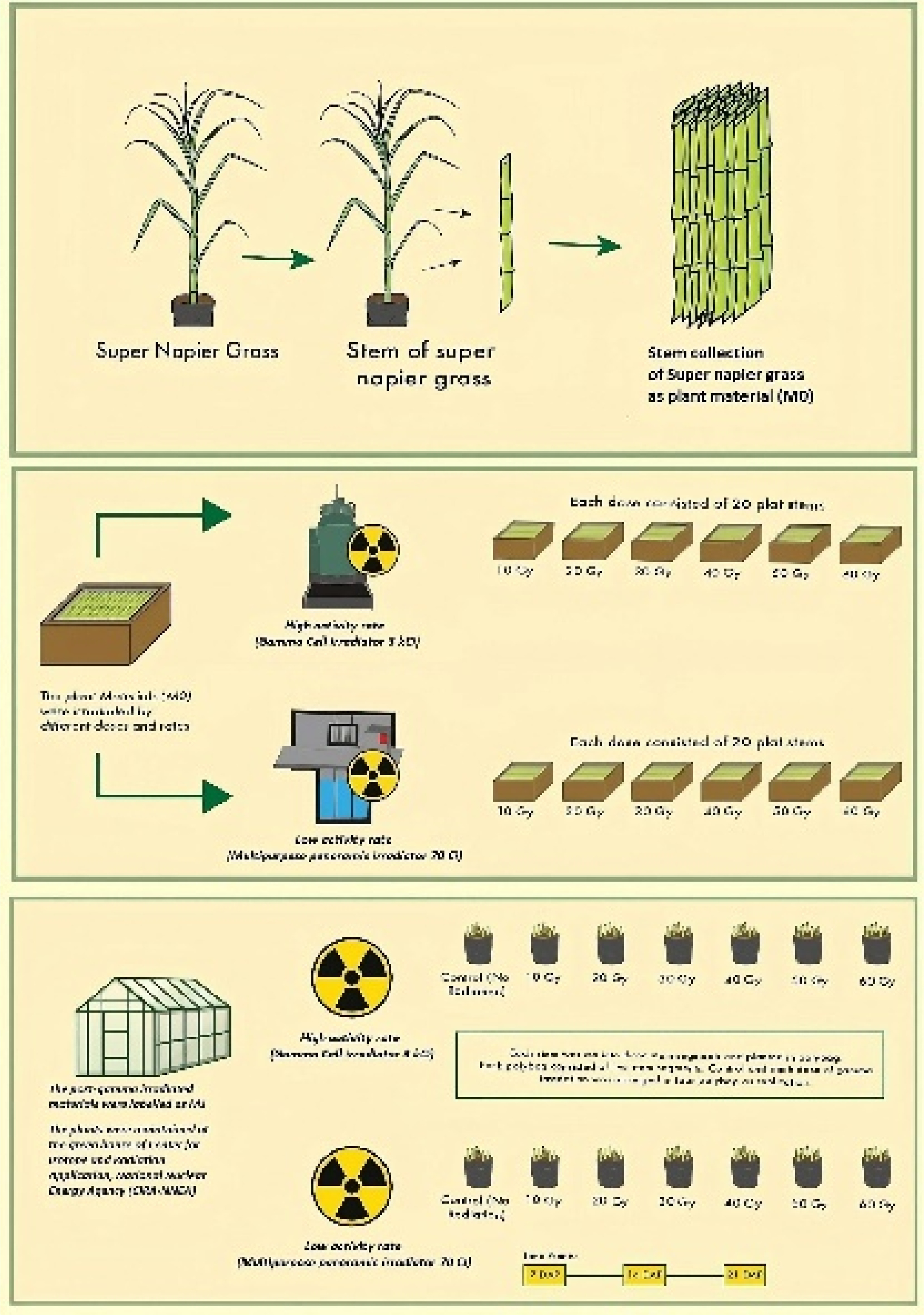
The stem segments were planted under greenhouse conditions at 26℃-27℃ with an optimal relative humidity level of 75%-80% in the 40 x 60 cm polybags at the Center for Isotope and Radiation Application, National Nuclear Energy Agency's Experimental Farm Indonesia (CIRA-NNEA) (6°17'40.8"S 106°46'27.0" E) for 21 days. A total of 56 polybags were filled with soil and compost at a ratio of 1:2. The stem segments were well-watered every two days. Completely randomized design at a specific irradiation dose with four replicates for each low and high activity rate. The implementation of the experiment is described in
Fig. 1.
To identify the effect of low activity rate (Multipurpose panoramic irradiator 70 Ci) and high activity rate (Gamma Cell irradiator 3 kCi) gamma irradiation on Super Napier grass, it can be determined based on the agromorphological characteristics of the plant. The assessment of radiosensitivity is based on the observed survival rate (%), growth rate (%), plant height (cm), and number of leaves (unit) after the stems were exposed to gamma irradiation. Plant height (cm) and number of leaves (unit) were recorded every week, and the changes were observed at the end of the observation. The collected data survival rate (%) and growth rate (%) for each gamma dose were calculated using the following formula:
Statistical analysis
The experiment employed a Data analysis performed using the Kruskal Wallis non-parametric test on survival percentage (%) and growth rate (%) and analysis of variance on plant height (cm) and number of leaves (unit) with the Statistical Tool for Agricultural Research (STAR) 2.0.1. Lethal Dose (LD50) was identified and analyzed using Curve Expert 1.3. The highest variability of mutants occurred in gamma-ray irradiated mutants with LD50 and GR50. The least significant difference test (LSD) was employed to compare meansStandard Deviation (SD).
Results
Agromorphological parameters of Super Napier grass post-gamma irradiation
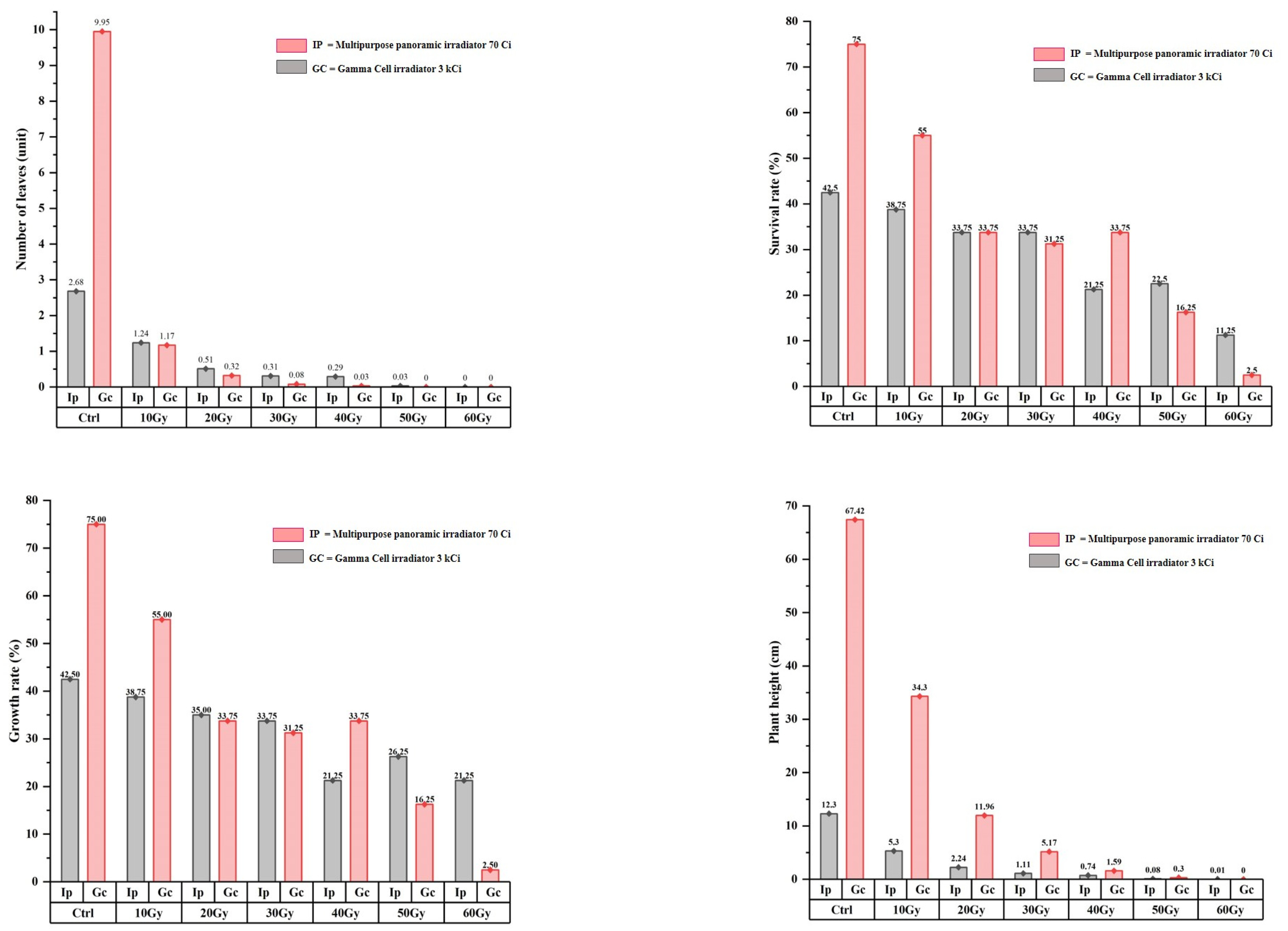
Agromorphological characterization is one of the steps that are considered important in plant breeding. Mainly in determining lethal dose and dose reduction after gamma irradiation. Primarily involved in assessing the lethal dose and growth reduction strategies following exposure to gamma radiation. The agromorphological parameters of post-gamma irradiated Super Napier grass are presented in
Table 1 and
Fig. 2.
Table 1 shows the differences in agromorphological parameters (
p<0.01) resulting from exposure to different irradiation doses in Super Napier grass. The high activity rate (Gamma Cell irradiator 3 kCi) showed differences in the number of leaves, survival rate, growth rate, and plant height. However, no significant effects were observed (
p>0.01) on survival rate and growth rate at the low activity rate (Multipurpose panoramic irradiator 70 Ci). In multipurpose panoramic irradiator 70 Ci and gamma cell 30k Ci, the control (ctrl) shows significantly different effects to10Gy for both gamma sources. Meanwhile, the 20Gy dose showed no significant difference from 30Gy to 60Gy in the number of leaves and plant height parameters. Nevertheless, gamma cell 3 kCi shows a better effect on the morphology of Super Napier grass compared to a low activity rate of multipurpose panoramic irradiator 70 Ci where gamma cell 3 kCi indicates significant difference among control (ctrl), 10Gy, and 50Gy.
Based on
Table 1, the number of leaves and plant height (
Fig. 2), Gamma cell 3 kCi generally illustrate better results for those agromorphological characteristics than Multipurpose panoramic irradiator 70 Ci. Additionally, for number of leaves, ctrl (Multipurpose panoramic irradiator 70 Ci 2.68±2.74
a; Gamma cell 3 kCi 9.95±0.98
a) shows a higher average than the other doses treatment such as 10Gy (Multipurpose panoramic irradiator 70 Ci 1.24±3.53
b; Gamma cell 3 kCi 1.17±3.94
b), 20Gy (Multipurpose panoramic irradiator 70 Ci 0.51±3.82
c; Gamma cell 3 kCi 0.32±3.73
c), this trend is also similar to plant height where ctrl shows the highest value (Multipurpose panoramic irradiator 70 Ci 12.30±16.53
a; Gamma cell 3 kCi (67.42±9.97
a). The average of survival and growth rate with a high activity rate (Gamma cell 3 kCi) showed better results compared to the low activity rate Multipurpose panoramic irradiator 70 Ci in both ctrl (75.00±0.00
a; 42.50±0.00) and 10Gy (55.00±3.530
b; 38.75±8.26), respectively. In plant height, ctrl showed higher results on all doses generated by a high dose rate than doses at a low dose rate. The lowest were found at 60Gy (Multipurpose panoramic irradiator 70 Ci 0.001±1.40
c; Gamma cell 3 kCi 0.01±1.32
c), and the highest were found in ctrl (Multipurpose panoramic irradiation 70 Ci 12.30±16.53
a; Gamma cell 3 kCi 67.42±9.97
a). The growth value of the number of leaves and plant height drastically decreases along with a higher irradiation dose.
The LD
50, or lethal dose 50, refers to the radiation dose estimated to result in the death of 50% of an exposed population by post-gamma irradiation. The LD
50 can also determine the optimal dose of gamma radiation for promoting genetic diversity in plants. The LD
50 of post-gamma irradiation of Super Napier grass with different gamma sources is presented in
Table 2.
Based on
Table 2, lethal dose (LD
50) in low and high activity rates had different results. At the low activity rate (Multipurpose panoramic irradiator 70 Ci), the lethal dose (LD
50) ranges from 35.82Gy to 55.71Gy, and it is dramatically higher compared to the high activity rate (Gamma Cell irradiator 3 kCi), ranging from 28.98Gy tp 28.99Gy. A similar trend is also observed in the growth reduction (GR
50) (
Table 3), in which the low activity rate (Multipurpose panoramic irradiator 70 Ci) is sharply higher than the high activity rate (Gamma Cell irradiator 3 kCi). The values are about 38.33Gy and 20.76Gy, respectively.
The growth reduction post-gamma irradiation on plants refers to the specific dose of gamma radiation that causes a decline in plant growth or survival rate. The growth reduction can be determined by measuring the values of the lethal dose (LD
50) or growth growth reduction (GR
50). The impact of gamma irradiation on plant growth can vary depending on the radiation dose. In this study, the GR
50 of post-gamma irradiation of Super Napier grass was measured according to the plant height parameter in
Table 3 below.
As can be seen from
Table 2, lethal dose (LD
50) and growth reduction (GR
50) in low and high activity rates are significantly different. At a high activity rate of Gamma Cell irradiator 3 kCi, irradiation dose for lethal dose (LD
50) and growth reduction (GR
50) were found on 28.99Gy and 20.76Gy. The results are considered relatively high compared to the low activity rate of multipurpose panoramic irradiator 70 Ci with LD
50 and GR
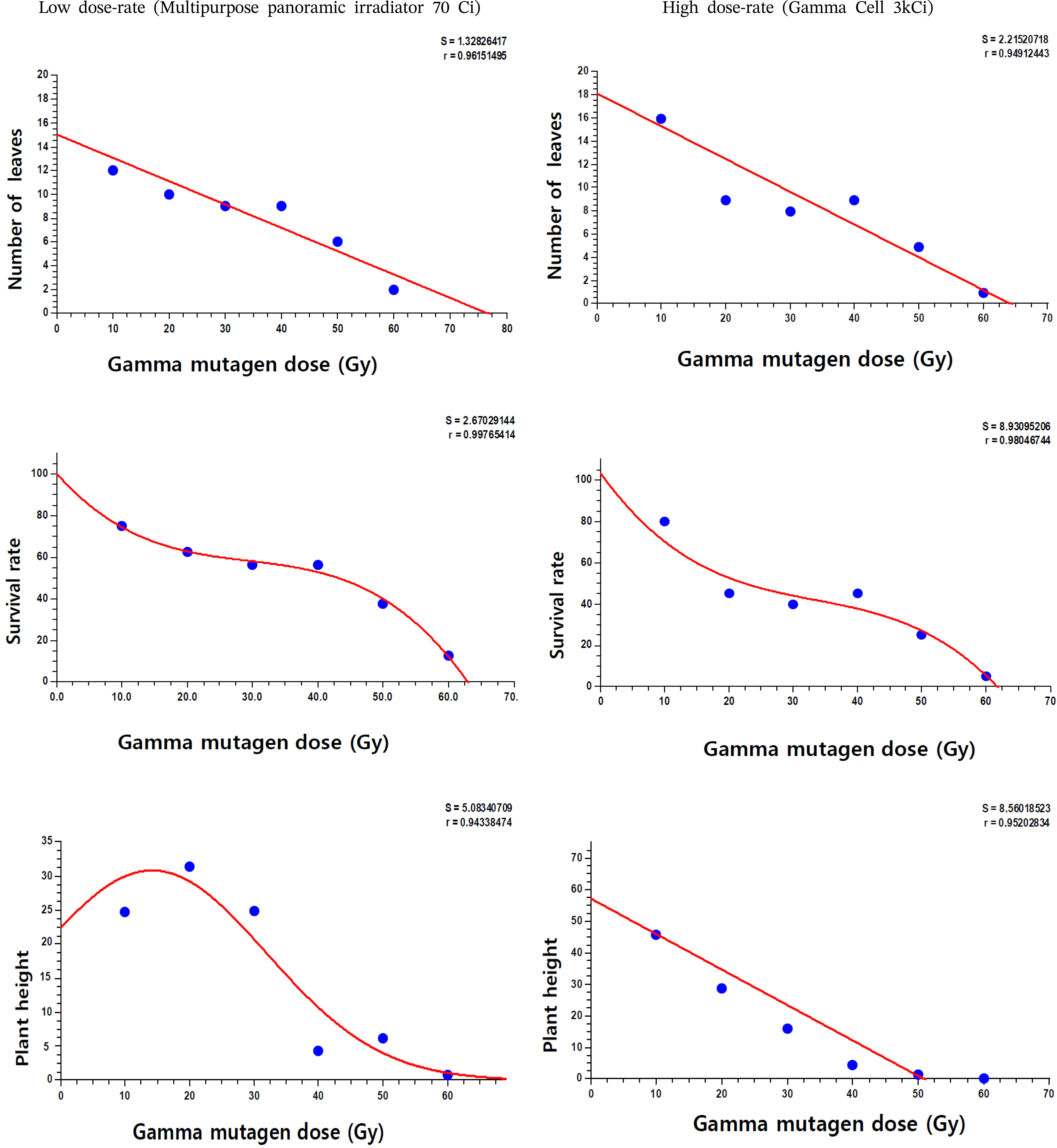
50 were obtained at 35.82Gy and 38.33Gy. Each morphological parameter, including survival rate, plant height, and the number of leaves, also indicates a positive correlation R<1 at low and high activity rates.
The graph in
Fig. 3 illustrates various graphic models, such as linear graphic models in which (R) correlation is closer to 1.
As can be seen from
Table 2, lethal dose (LD
50) and growth reduction (GR
50) in low and high activity rates are significantly different. At a high activity rate of Gamma Cell irradiator 3 kCi, the lethal dose (LD
50) was identified at 28.99Gy and growth reduction (GR
50) was identified at 20.76Gy. The results are relatively high compared to the low activity rate of multipurpose panoramic irradiator 70 Ci with LD
50 of 35.82Gy and GR
50 of 38.33Gy. Each morphological parameter, including survival rate, plant height, and the number of leaves, also indicates a positive correlation R<1 at low and high activity rates.
Discussion
This study induced the Super Napier grass by gamma rays, Cobalt-60. Gamma rays with various energy forms from electromagnetic radiation have higher energy levels with greater penetrating power than other irradiation rays (
Anne 2020). Gamma-ray will enhance plant characteristics and productivity (
Pandit et al. 2021;
Yamaguchi 2018). A comparative study clarified how the observed effects after exposure were highly affected by many factors. Some are related to the plant characteristics (species, cultivars, growth stage, cell architecture, and genome organization), and others are related to the quality, dosage, and irradiation exposure duration (
Jan et al. 2012). Activity rates focus on the rate at which radioactive decay or nuclear transformations occur. They provide information about the intensity of a radioactive source. On the other hand, irradiation doses measured in grays focus on the amount of energy deposited by ionizing radiation in a material, allowing us to understand its potential effects on living organisms or materials. Most gamma-ray irradiators in mutation breeding employ a high activity rate (Gamma Cell irradiator 3 kCi).
Multipurpose panoramic irradiator 70 Ci known as IRPASENA 70 Ci is a low activity rate irradiator that causes chronic irradiation, while gamma cell 3 kCi is a high activity rate that causes acute irradiation. Gamma radiation at high concentrations inhibits physiological plant processes, affecting growth and development. Many crops, including Bambara groundnut (
Muhammad et al. 2021), mustard (
Malek et al. 2012), and black gram (
Yasmin et al. 2020), have shown that higher doses of low and high activity rates of gamma radiation can substantially damage plant growth and physiological development in seeds, seedlings, or propagates.
The average survival rate and growth rate of Super Napier grass (
Fig. 2) exhibit a similarity in the high dosage rate and low activity rate. Survival rates can be moderately increased at a dose of 60Gy. There is a noticeable difference when comparing the low dosage rate of Multipurpose panoramic irradiation at 70 Ci to the high activity rate of Gamma cell at 3 kCi. In contrast,
according to Hong et al. (2018), low activity rate, chronic gamma irradiation, causes severe damage and inhibition of plant growth in wheat much more than high activity rate, acute irradiation.
Choi et al. (2021) stated that high activity rate, acute irradiation produces rice seeds with drastically reduced fertility, while at low activity rate, and chronic irradiation fails to produce fertile seeds. High activity rate causes immediate and more significant damage to plant physiology, whereas a low activity rate causes long-term damage, leading to reproductive failure. Compared to acute radiation, chronic radiation can result in a significantly increased frequency of homologous recombination (
Kovalchuk et al. 2000). Chronic irradiation results in a much greater occurrence of homologous recombination (HR) in comparison to acute irradiation. Homologous recombination caused by persistent radiation can result in a variety of genetic resources in plants (
Hong et al. 2018).
Furthermore, plants grown under low activity rates and chronic radiation exposure exhibit complex biological effects and altered plant metabolism and gene expression patterns (
Voronezhskaya et al. 2023). Gamma cells are specifically used in research and applications requiring low doses and modest throughputs (
International Atomic Energy 2006). It is commonly used to subject biological and non-biologic materials to radiation to evaluate how the targets will react. Meanwhile, multipurpose panoramic irradiator 70 Ci, is widely used when many samples need to be irradiated simultaneously, especially for culture cells (
Kim et al. 2008).
The response of germination and plant growth post-gamma irradiation treatment generally depends on species and plant genotype, heritability material, and irradiation characteristics such as quality, the quantity of radiation dose, exposure time, and intensity of exposure (
Jan et al. 2012;
Saha et al. 2019;
Ulukapi et al. 2018). The probability of plant mutations through physical mutagenesis, gamma irradiation, can be described at a dose of 50% (LD
50) where the irradiated sample dies or when 50% of plant growth decreases (GR
50) (
Álvarez-Holguín et al. 2019;
Muhammad et al. 2021;
Thole et al. 2012). The mutagen dose induces 50% mortality (LD
50) in the first generation of the mutant population (M1) due to its ability to produce a higher range of mutational phenotypes (
Ke et al. 2019). In this study, the effect of irradiation doses from 10Gy to 40Gy still demonstrated relative growth, but at doses of 50Gy and 60Gy, the plants died. Such a phenomenon is supported by many studies stating that lower radiation doses lead to improved germination and plant growth. While the higher doses result in growth abnormalities, delayed germination, or even the death of exposed plants (
Kovalchuk et al. 2003;
Majeed et al. 2017;
Singh et al. 2010).
The first step in identifying the mutation efficiency effect of gamma irradiation is to determine the optimal radiosensitivity of irradiation dose or reducing 50% of the population (lethal dose median, LD
50). Parameters commonly shown in LD
50 include the survival rate (
Talebi et al. 2012). Radiosensitivity test enables the identification of accurate irradiation doses to induce optimal mutation with the most ignored effect in gene complex (
Matova et al. 2021;
Riviello-Flores et al. 2022). Concerning the mutation involving gamma-ray irradiation, generally, the mutation causes genetic variability within the LD
50 dose interval and below. The identified optimal dosage will be used as the standard to achieve genetic variability in M2 plants (
Hanafiah et al. 2010).
Table 3 shows that the correlation coefficient indicates a strong
positive correlation between survival rate, number of leaves, and plant height.
Fig. 3 also describes linearly the plant's growth reduction damage and mortality in 50Gy and 60Gy of gamma irradiation dose. As can be seen, the higher dose of gamma irradiation implies more damage affecting the plants. Gamma rays are electromagnetic irradiation that affects plant growth and development by changing morphology, physiology, biochemistry, and genetics in cells and tissues. At certain doses, the effect of gamma irradiation causes oxidative stress (
Irfaq et al. 2003;
Kiani et al. 2022;
Marcu et al. 2013).
After identifying LD
50, the most accurate doses can be selected as treatments. LD
50 is commonly selected as the appropriate dose for irradiated plants by comparing the irradiation outcome in similar species and families of plants. For further evaluation, the following generation will require more verification concerning the expected traits to produce new germplasm (
Álvarez-Holguín et al. 2022). Generally, grasses and vegetatively propagated plants have lower doses than the other species and seed-propagated plants. Thus far, many improved studies have been related to lethal and reduced doses in grasses. The studies explained that LD
50 with low dose (below 100Gy ), such as 93Gy as LD
50 for Augustine grass (
Çakir et al. 2017), 85Gy for Bermuda grass (
Mutlu et al. 2015), and 68.85Gy for swamp rice grass(
Sukmasari et al. 2021). However, the findings only explained that the irradiation was sourced from Cobalt-60 (
60Co). Further study has not been found regarding the gamma activity rate, such as Multipurpose panoramic irradiator 70 Ci and Gamma Cell irradiator 3 kCi. Therefore, this study becomes the latest research in forage plant breeding, specifically in gamma irradiation mutation.
Super Napier grass radiosensitivity test has been optimized with a low activity rate, Multipurpose panoramic irradiator 70 Ci, and a high activity rate, Gamma chamber 3 kCi. In low activity rate (Multipurpose panoramic irradiator 70 Ci), the lethal dose (LD50) ranges from 35.82Gy to 55.71Gy, and it is higher compared to the high activity rate (Gamma Cell irradiator 3 kCi), ranging from 28.98Gy tp 28.99Gy. In reduction dose (RD50), the low activity rate (Multipurpose panoramic irradiator 70 Ci) was identified at 38.33Gy, which is higher than high activity rate (Gamma Cell irradiator 3 kCi), which was identified at 20.76Gy. The correlation coefficient indicates a strong positive correlation between survival rate, number of leaves, and plant height. However, the higher irradiation dose resulted in a decrease and subsequent inhibition in plant growth and the survival rate and growth rate, growth reduction damage and mortality in 50Gy and 60Gy of gamma irradiation dose. This study becomes a preliminary study for mutagenesis breeding for forage crops. Further study concerning the mutant traits and vegetative mutant generation will be necessary.
Acknowledgments
The authors would like to express their gratitude to The Ministry of Education and Culture of Indonesia through the Directorate General of Higher Education of Indonesia under Program Magister Doktor Sarjana Unggul (PMDSU) for funding this research, appreciation to Hasanuddin University, the Center for Isotope and Radiation Application, National Nuclear Energy Agency of Indonesia (CIRA-NNEA) and Livestock Breeding and Forage Crops Center of Mataram Livestock and Animal Health Service of West Nusa Tenggara, Indonesia for significant contribution.
Fig. 1Graphical abstract of pre-irradiation, irradiation and post-irradiation of Super Napier grass.
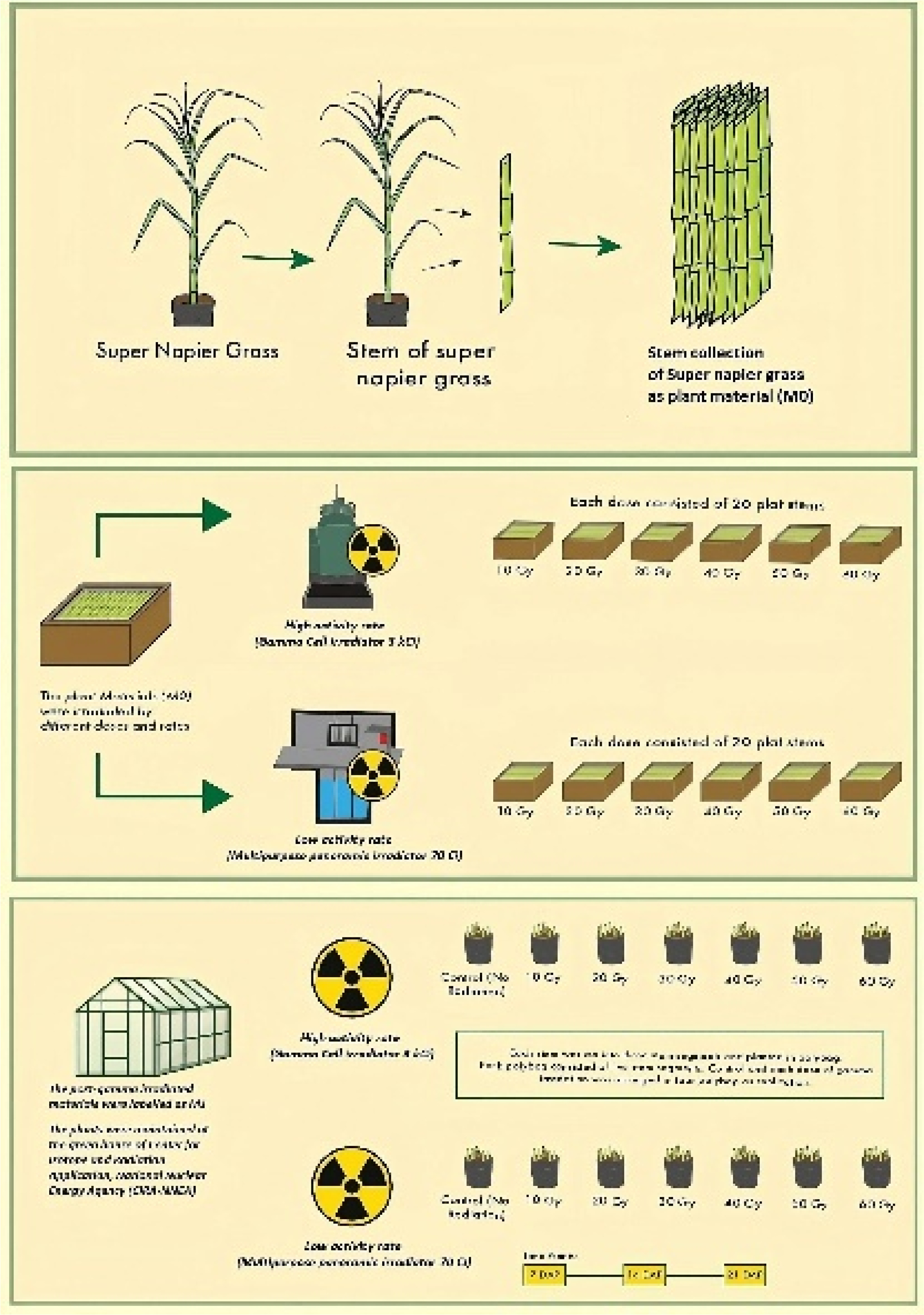
Fig. 2Agromorphological parameters of Super Napier grass post-gamma irradiation.
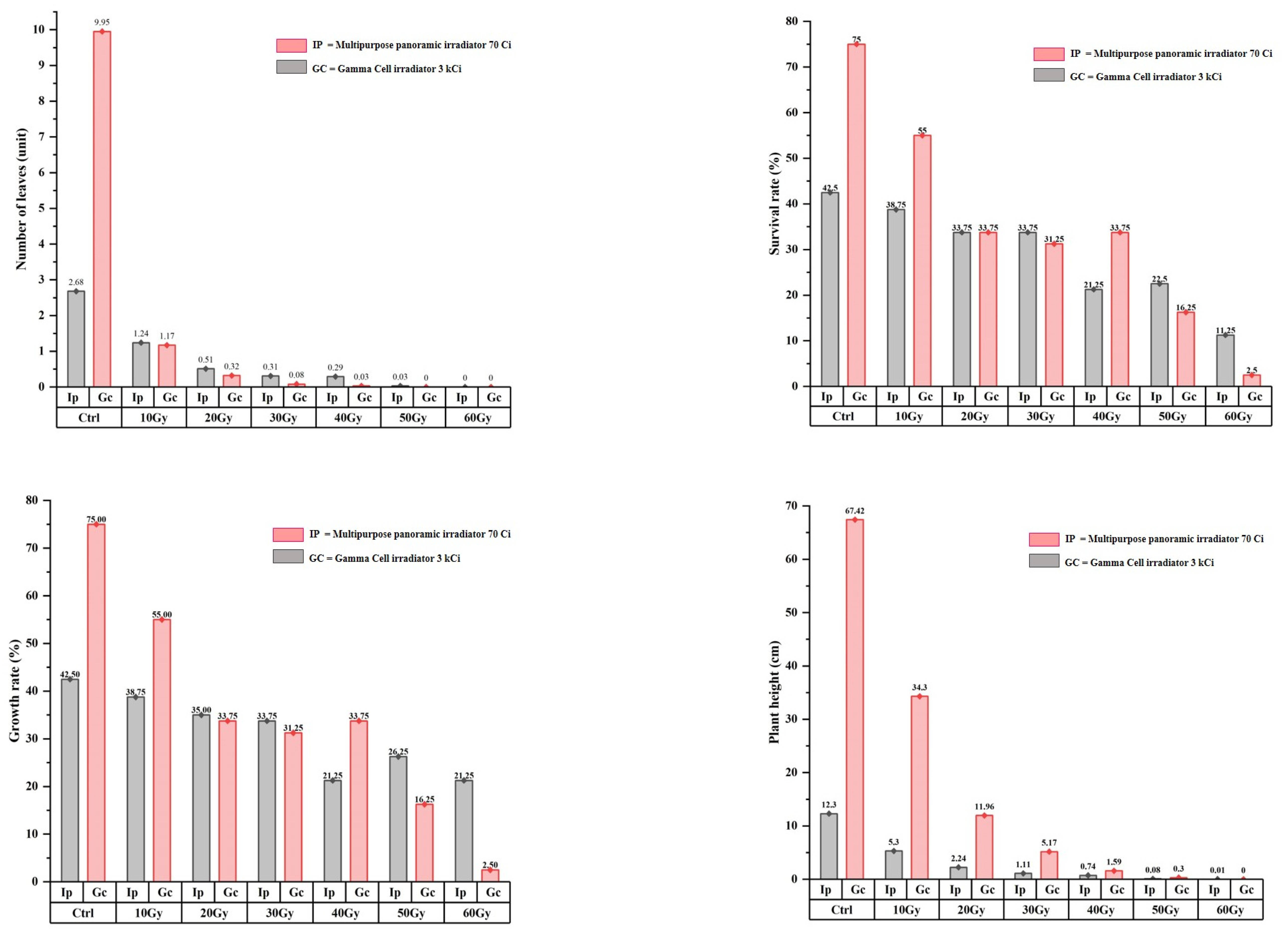
Fig. 3Lethal dose and growth reduction of Super Napier grass in different activity rates.
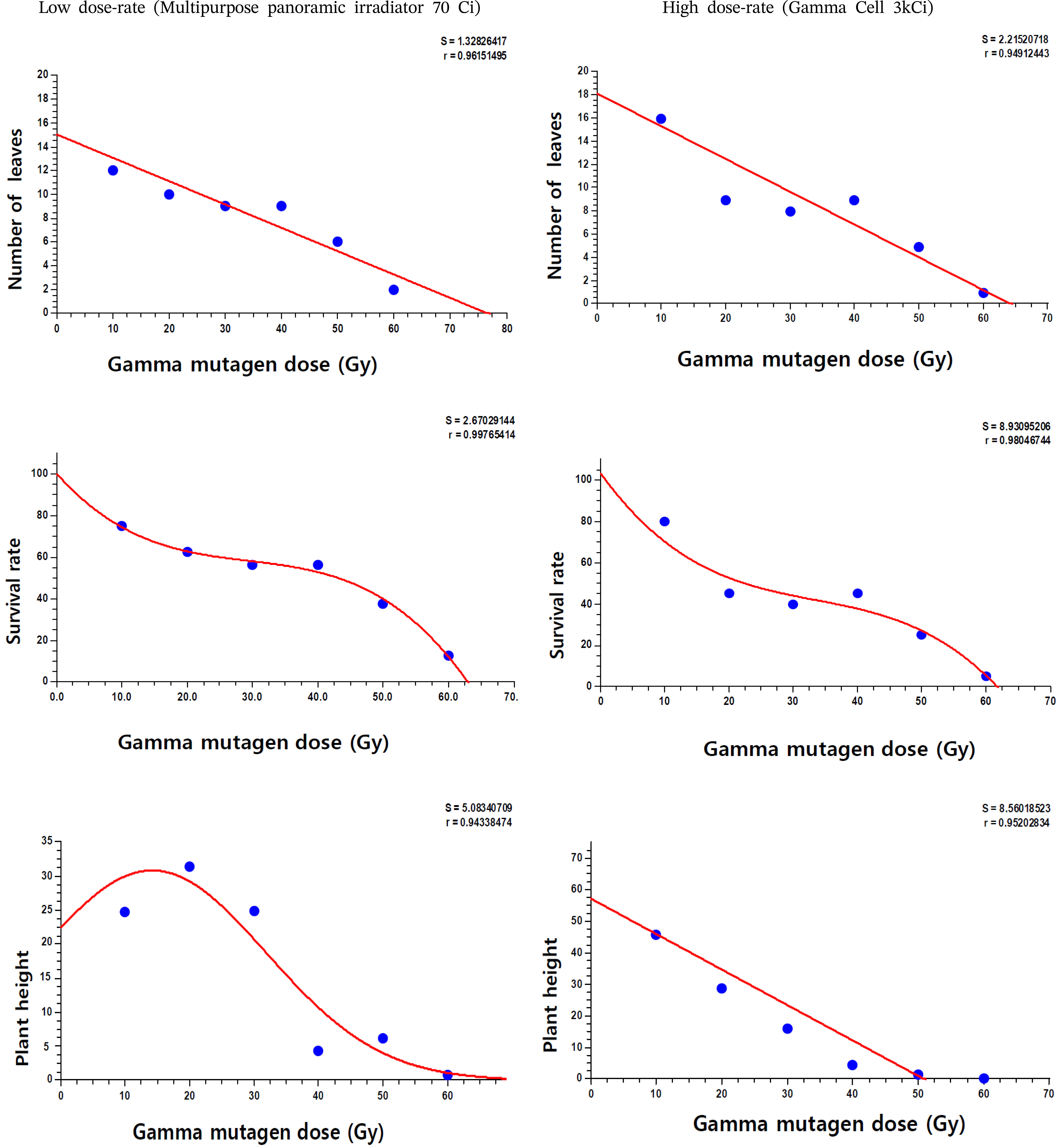
Table 1Agromorphological parameters of Super Napier grass post-gamma irradiation.
Table 1
|
Gamma source |
Doses |
Number of leaves (unit) |
Survival rate (%) |
Growth rate (%) |
Plant
height (cm) |
|
Low activity rate (Multipurpose panoramic irradiator 70 Ci) |
Ctrl |
2.68±2.74a
|
42.5±0.00 |
42.5±7.50 |
12.30±16.53a
|
|
10Gy |
1.24±3.53b
|
38.75±8.26 |
38.75±8.26 |
5.30±19.33b
|
|
20Gy |
0.51±3.82c
|
33.75±5.54 |
35.00±6.12 |
2.24±18.19bc
|
|
30Gy |
0.31±3.59c
|
33.75±7.18 |
33.75±7.18 |
1.11±14.16c
|
|
40Gy |
0.29±2.80c
|
21.25±9.87 |
21.25±11.25 |
0.74±8.69c
|
|
50Gy |
0.03±2.02c
|
22.5±5.20 |
26.25±8.15 |
0.08±6.64c
|
|
60Gy |
0.00±0.06c
|
11.25±3.14 |
21.25±6.25 |
0.01±1.40c
|
|
|
LSD |
|
** |
ns |
ns |
** |
|
|
High activity rate (Gamma Cell irradiator 3 kCi) |
Ctrl |
9.95±0.98a
|
75.00±0.00a
|
75.00±7.50c
|
67.42±9.97a
|
|
10Gy |
1.17±3.94b
|
55.00±3.53b
|
55.00±3.53b
|
34.30±24.61b
|
|
20Gy |
0.32±3.73c
|
33.75±7.18c
|
33.75±7.18c
|
11.96±16.31c
|
|
30Gy |
0.08±2.82c
|
31.25±8.50c
|
31.25±8.51c
|
5.17±9.80c
|
|
40Gy |
0.03±2.08c
|
33.75±11.25c
|
33.75±11.25c
|
1.59±3.44c
|
|
50Gy |
0.00±0.44c
|
16.25±1.25cd
|
16.25±1.25cd
|
0.30±1.31c
|
|
60Gy |
0.00±0.44c
|
2.50±2.50d
|
2.50±2.50d
|
0.01±1.32c
|
|
|
LSD |
|
** |
** |
** |
** |
Table 2The LD50 of post-gamma irradiation of Super Napier grass.
Table 2
|
Gamma Source |
Parameter |
Model |
Equation |
R2
|
LD50
|
|
Low activity rate (Multipurpose panoramic irradiator 70 Ci) |
Number of leaves (unit) |
Linear |
y=15.03-0.20x |
0.67 |
55.71 |
|
Survival rate (%) |
Linear |
y=93.97-1.23x |
0.92 |
35.82 |
|
|
High activity rate (Gamma Cell irradiator 3 kCi) |
Number of leaves (unit) |
Linear |
y=18.17+0.28x |
0.77 |
28.98 |
|
Survival rate (%) |
Linear |
y=90.89-1.41x |
0.88 |
28.99 |
Table 3The GR50 of post-gamma irradiation of Super Napier grass.
Table 3
|
Gamma Source |
Parameter |
Model |
Equation |
R2
|
GR50
|
|
Low activity rate (Multipurpose panoramic irradiator 70 Ci) |
Plant height (cm) |
Linear |
y=31.59-0.49x |
0.72 |
38.33 |
|
High activity rate (Gamma Cell irradiator 3 kCi) |
Plant height (cm) |
Linear |
y=57.12-1.12x |
0.81 |
20.76 |
References
- Al-Yassin A, Benbelkacem A, Ceccarelli S, Grando S, Haghparast R, Labdi M, et al. 2010. Plant breeding and climate changes. J. Agr. Sci. 148: 627-637.
- Allen VG, Batello C, Berretta EJ, Hodgson J, Kothmann M, Li X, et al. 2011. An international terminology for grazing lands and grazing animals. Grass Forage Sci. 66: 2-28.
- Álvarez-Holguín A, Morales-Nieto CR, Avendaño-Arrazate CH, Corrales-Lerma R, Villarreal-Guerrero F. 2022. Phenotypic and genetic variability induced in Lehmann's love grass (Eragrostis lehmanniana) through gamma irradiation. Tropical Grasslands-Forrajes Tropicales. 10: 63-68.
- Álvarez-Holguín A, Morales-Nieto CR, Corrales-Lerma R, Avendaño-Arrazate CH, Villarreal-Guerrero F, Santellano-Estrada E, et al. 2019. Mean lethal dose (LD 50) and growth reduction (GR 50) due to gamma radiation in Wilman lovegrass (Eragrostis superba). Revista Mexicana De Ciencias Pecuarias. 10: 227-238.
- Anne S. 2020. Mutation breeding using gamma irradiation in the development of ornamental plants: A review. Flower Res. J. 28: 102-115.
- Astuti D, Sulistyowati Y, Nugroho S. 2019. Gamma ray radiosensitivity test to induce genetic diversity in sorghum with high lignin content. J. Ilm. Apl. Isot. dan Radiasi. 15: 1-6.
- Bangprasit P, Chavalparit O, Usapein P. 2017. Life cycle assessment of Napier Pakchong 1 grass as a feedstock for anaerobic digestion to produce electricity: A case study in Thailand. Presented at International Conference on Green Energy and Applications (ICGEA). 25-27 March:
- Çakir M, Mutlu SS, Djapo H. 2017. Gamma-Ray irradiation improves turfgrass characteristics of St. Augustinegrass. Crop Sci. 57: 587-594.
- Choi HI, Han SM, Jo YD, Hong MJ, Kim SH, Kim JB. 2021. Effects of acute and chronic gamma irradiation on the cell biology and physiology of rice plants. Plants. 10: 439
- Dormatey R, Sun C, Ali K, Coulter JA, Bi Z, Bai J. 2020. Gene pyramiding for sustainable crop improvement against biotic and abiotic stresses. Agronomy. 10: 1255
- Fanindi A, Sutjahjo S, Aisyah S, Purwantari N. 2016. Characteristic morphology and genetic variability of Benggala grass (Panicum maximum cv purple Guinea) through gamma ray irradiated on acid land. J. Ilmu Ternak dan Vet. 21: 205
- Fanindi A, Sutjahjo S, Aisyah S, Purwantari N. 2019. Morphological characteristics and productivity of guinea grass (Panicum maximum cv purple guinea) irradiated with gamma-ray. Trop. Life Sci. Res. 42: 97-105.
- Hanafiah DS, Trikoesoemaningtyas T, Yahya S, Wirnas D. 2010. Agronomic improvement of Argomulyo soybean variety [Glycine max (L) Merr] through induced mutation by gamma irradiation in M1 and M2 generation. Biosfera. 27: 103-111.
- Harianja DN, Karti P, Prihantoro I. 2021. Morfologi mutan alfalfa (Medicago sativa L.) hasil iradiasi sinar gamma pada cekaman kering. Jurnal Ilmu Nutrisi dan Teknologi. Pakan (Nutrition and Feed Technology Journal). 19: 59-65.
- Hasan S, Budiman , Natsir A, Khaerani PI. 2019. The investigation of biological nitrogen fixation in critical dryland pasture. Online J. Biol. Sci. 9: 152-158.
- Hong MJ, Kim DY, Ahn J-W, Kang S-Y, Seo YW, Kim J-B. 2018. Comparison of radiosensitivity response to acute and chronic gamma irradiation in colored wheat. Genet. Mol. Biol. 41: 611-623.
- International Atomic Energy Agency.2006. Gamma irradiators for radiation processing. IAEA, International Atomic Energy Agency (IAEA).
- Irfaq M, Nawab K. 2003. A study to determine the proper dose of gamma radiation for inducing beneficial genetic variability in bread wheat (Triticum aestivum L.). Asian J. Plant Sci. 2: 999-1003.
- Jan S, Parween T, Siddiqi T, Mahmooduzzafar . 2012. Effect of gamma radiation on morphological, biochemical, and physiological aspects of plants and plant products. Environ. Rev. 20: 17-39.
- Ke C, Guan W, Bu S, Li X, Deng Y, Wei Z, et al. 2019. Determination of absorption dose in chemical mutagenesis in plants. PloS One. 14: e0210596
- Khaerani P, Musa Y, Sjahril R, Nadir M. 2021. Radiosensitivity of post-gamma irradiated Indigofera zollingeriana. Presented at The 3rd International Conference on Food Security and Sustainable Agriculture in the Tropics. Universitas Hasanuddin, Makassar, Indonesia 8-9 January:
- Khaerani PI, Musa Y, Utamy RF, Indriatama WM, Kantong SA, Ishii Y. 2023. Germination growth of mutant (M1) Leucaena leucocephala cv. Tarramba induced by gamma ray irradiation. Presented at The 4th International Conference of Animal Science and Technology. Universitas Hasanuddin, Makassar, Indonesia 9-10 November 2021..
- Kiani D, Borzouei A, Ramezanpour S, Soltanloo H, Saadati S. 2022. Application of gamma irradiation on morphological, biochemical, and molecular aspects of wheat (Triticum aestivum L.) under different seed moisture contents. Sci. Rep. 12: 11082
- Kim YH, Park JW. 2008. Dose rate simulation of a panoramic gamma irradiator using the MCNPX code and comparison with measurements. J. Nucl. Sci. Technol.. 45((sup 5)): 325-328.
- Kovalchuk O, Arkhipov A, Barylyak I, Karachov I, Titov V, Hohn B, et al. 2000. Plants experiencing chronic internal exposure to ionizing radiation exhibit higher frequency of homologous recombination than acutely irradiated plants. Mutat. Res. 449: 47-56.
- Kovalchuk O, Burke P, Arkhipov A, Kuchma N, James SJ, Kovalchuk I, et al. 2003. Genome hypermethylation in Pinus silvestris of Chernoby-a mechanism for radiation adaptation? Mutat. Res. 529: 13-20.
- Lagoda P. 2012. Effects of radiation on living cells and plants. In Plant mutation breeding and biotechnology (pp. 123-134). CABI Wallingford UK..
- Majeed A, Muhammad Z, Ullah R, Ullah Z, Ullah R, Chaudhry Z, et al. 2017. Effect of gamma irradiation on growth and post-harvest storage of vegetables. PSM Biological Research. 2: 30-35.
- Malek M, Begum H, Begum M, Sattar M, Ismail M, Rafii M. 2012. Development of two high yielding mutant varieties of mustard ['Brassica juncea'(L.) Czern. through gamma rays irradiation. Aust. J. Crop. Sci. 6: 922-927.
- Marcu D, Damian G, Cosma C, Cristea V. 2013. Gamma radiation effects on seed germination, growth and pigment content, and ESR study of induced free radicals in maize (Zea mays). J. Biol. Phys. 39: 625-634.
- Masuda M, Ojiewo CO. 2006. Induced mutagensis as a breeding strategy for improvement of Solanaceous vegetables. Recent Fruit and Potentiality of Mutation Breeding. p. 47..
- Matova PM, Kamutando CN, Sarsu F, Magorokosho C, Labuschagne M. 2021. Determining the optimum gamma irradiation dose for developing novel maize genotypes. J. Crop Improv. 35: 568-581.
- McGourty GT, Reganold JP. 2005. Managing vineyard soil organic matter with cover crops. Presented at Proceedings of the soil environment and vine mineral nutrition symposium..
- Mohamad SSS, Kamaruddin NA, Ting JY. 2022. Study on chemical composition of Napier Pak Chong (Pennisetum purpureum x Pennisetum glaucum) harvested at different growth stages. J. Agrobiotechnol. 13(1S): 24-30.
- Muhammad I, Rafii MY, Nazli MH, Ramlee SI, Harun AR, Oladosu Y. 2021. Determination of lethal (LD) and growth reduction (GR) doses on acute and chronic gamma-irradiated Bambara groundnut [Vigna subterranea (L.) Verdc. varieties. J. Radiat. Res. Appl. Sci. 14: 133-145.
- Musa Y, Sjahril R, Nadir M, Khaerani P, Sakinah A. 2021. Early growth of post-gamma irradiated Indigofera zollingeriana. Presented at The 3rd International Conference on Food Security and Sustainable Agriculture in the Tropics. Universitas Hasanuddin, Makassar, Indonesia 8-9 January:
- Musa Y, Sjahril R, Nadir M, Khaerani P, Syahril W. 2023. Germination growth of mutant (M2) Indigofera zollingeriana induced by gamma ray irradiation. Presented at The 4th International Conference of Animal Science and Technology. Universitas Hasanuddin, Makassar, Indonesia 9-10 November 2021..
- Mutlu S, Djapo H, Tuncel N. 2015. Gamma-ray irradiation induces useful morphological variation in Bermudagrass. Not Bot Horti Agrobotanici Cluj-napoca. 43: 515-520.
- Pandit R, Bhusal B, Regmi R, Neupane P, Bhattarai K, Maharjan B, et al. 2021. Mutation breeding for crop improvement: a review. Reviews in Food and Agriculture. 2: 31-35.
- Pongtongkam P, Nilratnisakorn S, Piyachoknakul S, Thongpan A, Aranananth J, Kowitwanich K, et al. 2005. Inducing salt tolerance in purple guinea grass (Panicum maximum TD58) via gamma irradiation and tissue culture. Agric. Nat. Resour. 39: 681-688.
- Pongtongkam P, Peyachoknagul S, Arananant J, Thongpan A, Tudsri S. 2006. Production of salt tolerance dwarf napier grass (Pennisetum purpureum cv. Mott) using tissue culture and gamma irradiation. Agric. Nat. Resour. 40: 625-633.
- Riviello-Flores MdlL , Cadena-Iñiguez J, Ruiz-Posadas LdM, Arévalo-Galarza MdL, Castillo-Juárez I, Soto Hernández M, et al. 2022. Use of gamma radiation for the genetic improvement of underutilized plant varieties. Plants. 11: 1161
- Saha S, Paul A. 2019. Radiation induced mutagen sensitivity and chlorophyll mutation frequency on sesame seeds. J. Environ. Biol. 40: 252-257.
- Sajimin S, Fanindi A, Purwantari N. 2015. Effect of gamma ray radiation on production and seed quality of telang flower as forage (Clitoria ternatea M2) in Bogor. Proceeding of National Seminary and Workshop of Livestock and Veterinary Technology.
- Singh B, Datta PS. 2010. Effect of low dose gamma irradiation on plant and grain nutrition of wheat. Radiat. Phys. Chem. 79: 819-825.
- Somjai T, Suwan C. 2020. Carbon footprint analysis of Napier Pakchong 1 grass plantation in Prachinburi province. Presented at E3S Web of Conferences..
- Sukmasari PK, Widoretno W, Siswanto D. 2021. The sensitivity of Leersia hexandra Sw. to gamma-ray irradiation. The Journal of Experimental Life Science. 11: 6-9.
- Talebi AB, Talebi AB, Shahrokhifar B. 2012. Ethyl methane sulphonate (EMS) induced mutagenesis in Malaysian rice (cv. MR219) for lethal dose determination. Am. J. Plant. Sci. 3: 1661-1665.
- Tan J, Tang H, Niu Y, Chen Y, Lu S, Guo Z, et al. 2009. Isolation and characterisation of gamma radiation-induced dwarf mutants of Stylosanthes guianensis. Trop. Grassl. 43: 53.
- Thole V, Peraldi A, Worland B, Nicholson P, Doonan JH, Vain P. 2012. T-DNA mutagenesis in Brachypodium distachyon. J. Exp. Bot. 63: 567-576.
- Ulukapi K, Ozmen SF. 2018. Study of the effect of irradiation (60Co) on M1 plants of common bean (Phaseolus vulgaris L.) cultivars and determined of proper doses for mutation breeding. J. Radiat. Res. Appl. Sci. 11: 157-161.
- Voronezhskaya V, Volkova P, Bitarishvili S, Shesterikova E, Podlutskii M, Clement G, et al. 2023. Multi-Omics analysis of vicia cracca, responses to chronic radiation exposure in the chernobyl exclusion zone. Plants. 12: 2318
- Yamaguchi H. 2018. Mutation breeding of ornamental plants using ion beams. Breed Sci. 68: 71-78.
- Yasmin K, Arulbalachandran D, Dilipan E, Vanmathi S. 2020. Characterization of 60CO γ-ray induced pod trait of blackgram-A promising yield mutants. Int. J. Radiat. Biol. 96: 929-936.