Abstract
Patchouli is a plant that produces essential oil. One problem with patchouli is that production remains low due to virus attacks. To address this issue, virus-free seedlings can be produced through tissue culture. This measure requires examining the effectiveness of patchouli regeneration in vitro through histological observations and acclimatization, in as much as effective propagation supports healthy seedlings. The purpose of this study was to determine the optimal propagation for Aceh patchouli via in vitro propagation, through histological observation. It investigated the optimal acclimatization for patchouli to assist patchouli adaptation. The study was carried out in several stages, starting from shoot multiplication, root induction, and acclimatization. Shoot multiplication was carried out on MS medium supplemented with BAP : 0.25 mg/L, 0.50 mg/L, 0.75 mg/L, 1.00 mg/L, 1.25 mg/L, and 1.50 mg/L. Root induction was carried out on MS medium supplemented with NAA : 0 mg/L, 0.2 mg/L, 0.4 mg/L, 0.6 mg/L, and 0.8 mg/L. Finally, the acclimatization was performed on compost under covering treatment. The results demonstrated that the best shoot multiplication, taking place in 6.3 days, was obtained through the 0.25 mg/L BAP treatment. This treatment resulted in the highest shoot proliferation, with a mean of 68.5 shoots per explant, as well as the greatest shoot height (5.1 cm). The best root induction was obtained from NAA 0.2 mg/L, producing a plant length (18.27 cm), plant height (9.60 cm), root length (8.67 cm), and plant fresh weight (1.49 g). During the acclimatization stage, the 12-day covering treatment produced the best seedlings, as evinced by plant length (25.8 cm), shoot height (19.5 cm), root length (7.9 cm), fresh weight (1.85 g), leaf width (3.0 cm), and a survival rate of 100%.
-
Key words: Acclimatization, Multiplication, Root Induction, Patchouli
Introduction
Aceh patchouli (
Pogostemon cablin Benth.) is a tropical herbaceous plant that yields essential oils containing 2.5% to 5% (
Sahwalita et al. 2016). Patchouli essential oil contains alkaloids, flavonoids, and terpenoids (
Rahayu et al. 2021). It is an important herbal plant and widely used in industries (
Swamy et al. 2015). It is also used as a traditional medicine, such as in Chinese medicine (
Junren et al. 2021). Moreover, patchouli oil is essential in the perfume, soap, cosmetics, and pharmaceutical industries. Not with standing, patchouli oil production in Indonesia remains limited and suboptimal (
Wahyudi et al. 2022). These issues stem from the sparse availability of high-quality, virus-free seedlings. The quality of the seedlings influences the quality of the resultant essential oil. In addition, virus attacks on patchouli cultivation can reduce patchouli production and biomass. Several viruses that attack patchouli include the patchouli mosaic virus PaMV, patchouli mottle virus PaMoV, patchouli yellow mosaic virus PaYMV, and patchouli mild mosaic virus PaMMV (
Swamy et al. 2016).
In response to these issues, stem cuttings generally come under the spotlight, assisting in propagating patchouli because it rarely flowers and does not produce seeds (
Tiwari et al. 2020). However, propagating patchouli via cuttings reduces plant quality (
Normasari et al. 2023). The production of superior, virus-free seedlings is essential to support increasing essential oil productivity. Propagating patchouli through tissue culture can produce superior, virus-free seedlings (
Florenika et al. 2022). Patchouli propagation can be done through direct multiplication or organogenesis (Yusniwati et al. 2021). This is different from the propagation of
the Lhokseumawe patchouli, which occurs indirectly in leaf explants (
Puspita et al. 2023). In contrast, organogenesis involves the formation of plant organs such as shoots, roots, and leaves, which can arise directly from meristems or callus (
Oseni et al. 2018). A combination of BAP and kinetin could induce patchouli shoot through organogenesis (
Mayerni et al. 2020).
Shoot multiplication is widely known to produce seedlings quickly and effectively (
Maulia et al. 2021). This method requires appropriate hormones, such as BAP, to effectively induce shoot multiplication (
Lalthafamkimi et al. 2021). On the other hand, successful organogenesis can be achieved by using the concentration of BA 0.01 mg/L to aid
rimbabinuang accession patchouli, with careful examination of the percentage of successful explants, number of shoots, and number of leaves (
Mayura et al. 2020). The right concentration of cytokinin can trigger increased shoot multiplication. In addition, the combination of 0.5 µM kinetin and 1.5 µM BAP has been documented to yield the best patchouli shoot regeneration from node and leaf explants (
Godbole et al. 2022). Another measure is using MS medium supplemented with BA (0.5 mg/L) and kinetin (0.5 mg/L) to achieve effective shoot multiplication induction (
Swamy et al. 2014). Furthermore, the addition of 1 mg/L kinetin to MS medium is proven effective as it results in 13 shoots. This concentration is better than the higher concentrations of 2 mg/L and 3 mg/L, producing 6 shoots (
Rahmawati et al. 2021). These diverse outcomes highlight that the multiplication results need to be carefully subcultured into a rooting medium. To do so, the induction of patchouli roots requires sub-culturing on MS medium supplemented with auxin, such as NAA or IAA, on MS or 1/2 MS medium (
Swamy et al. 2015).
Another critical measure to ensure successful multiplication is that patchouli propagated in vitro needs to undergo acclimatization to an ex vitro environment. This is the process of transitioning seeds from in vitro conditions to an ex vitro environment (
Sinta et al. 2019), and it represents a pivotal factor in in-vitro patchouli propagation. High survival rates have been reported, with up to 91% success in greenhouse conditions using soil media (
Swamy et al. 2010). Based on research by
Swamy et al. (2016), patchouli acclimatization still achieved 80-90% success after being transferred to the field environment. However, after 2 weeks in a field environment, the adaptation of
Pogostemon paniculatus planlets has been reported to reach only 55% (
Godbole et al. 2022). Successful acclimatization requires meticulous measures to maintain plant conditions, light intensity, temperature, relative humidity, planting medium, nutrition, and fertilization (
Irsyadi 2021). These measures imply that in vitro-derived patchouli plantlets cannot be transferred directly to field conditions, as it requires gradual adaptation under controlled environmental parameters. This is because acclimatization can induce oxidative stress and negatively affect plant growth (
Goncalves et al. 2017).
Failure at the acclimatization stage is a serious problem and thus requires immediate apt measures. Acclimatized plants will be subjected to abiotic stress due to differences in environmental conditions and higher transpiration rates (
Khandel et al. 2022). One of the success factors during acclimatization is maintaining humidity to reduce transpiration rate. Another method is covering treatment, known to increase humidity and reduce transpiration rate (
Khandel et al. 2022). Covering duration and light intensity significantly influence the acclimatization of lily plants. Despite an emerging body of literature on this area, findings on effective propagation for Aceh patchouli remain sparse. This study aims to address this gap through in vitro propagation with histological observation. In addition, it seeks to develop an optimal acclimatization to increase the success of patchouli adaptation.
Materials and Methods
Explant sterilization
This study involved young leaves of the Aceh patchouli as explants. These leaf explants were sterilized through purification under running water and then placed in a laminar airflow. Surface sterilization was performed using 70% ethanol for 15 seconds, followed by immersion in a 1% sodium hypochlorite solution for 5 minutes. The sterilization was repeated twice, after which the explants were rinsed with sterile distilled water 3 times. The explants were then placed in a petri dish and cut into segments of approximately 1.5 cm in length. Finally, the prepared explants were inoculated onto shoot multiplication medium.
Shoot multiplication
Shoot multiplication was carried out on Murashige Skoog MS medium (
Murashige et al. 1962) with the addition of Benzyl Aminopurine (BAP). Six BAP concentrations were tested: 0.25 mg/L (B1), 0.50 mg/L (B2), 0.75 mg/L (B3), 1.00 mg/L (B4), 1.25 mg/L (B5), and 1.50 mg/L (B6). Each experiment was repeated five times. The medium contained 30 g/L sucrose and 8 g/L agar, with pH adjusted to 5.6. Prior to the shoot multiplication, the medium was sterilized using an autoclave at 121℃ for 60 minutes. The explants were inoculated onto the medium and incubated in a growth room at 25℃ with LED illumination for 8 hours/day.
The prepared roots derived from 8-week-old multiplication were subcultured onto a new medium to stimulate root system formation. Root induction was carried out on MS medium supplemented with naphthalene acetic acid (NAA). Five NAA concentrations were prepared: 0 mg/L (control, N0), 0.2 mg/L (N1), 0.4 mg/L (N2), 0.6 mg/L (N3), and 0.8 mg/L (N4). Each experiment was repeated five times on medium containing 30 g/L sucrose and 8 g/L agar. As before, the medium pH was adjusted to 5.6, and it was then sterilized using an autoclave at 121℃ for 60 minutes. Root induction was performed in an incubation room at 23℃ under LED illumination for 8 hours/day.
Acclimatization of plantlets
Plantlets were acclimatized at 2 months after root induction, provided they met specific morphological criteria, including the formation of 10-12 leaves, a plantlet height of 6-8 cm, and a well-established root system. Acclimatization involved a compost medium of 60 g per cup, using a covering treatment to improve plantlet adaptation. Five treatments were administered during the covering period, including 3 days (T1), 6 days (T2), 9 days (T3), 12 days (T4), and no covering (control). Each experiment was repeated five times. During the acclimatization, the seedlings were removed from the bottle and purified after being transferred from the culture medium. The seedling roots were washed with fungicide and bactericide, then rinsed with sterile distilled water. The seedlings were then planted in compost medium, which was stored in the incubation room at 25℃ and under LED lights for 8 hours/day. Watering was done every 3 days using the spray method. In the second week after removal of the covering, the acclimatized patchouli plantlets were planted in polybags and transferred to the greenhouse.
Phenotyping
Plant growth was observed at the multiplication, root induction, and acclimatization stages. The multiplication stage recorded the time of shoot appearance, the number of shoots, and the shoot height. The observation at the root induction stage focused on plant length, plant height, root length, and plant fresh weight. The final observation measured plant length, plant height, root length, plant fresh weight, leaf width, and survival rate.
Histology
Histological observations were conducted following standard procedures of sample preparation. The samples were prepared and preserved using formaldehyde for 12-24 hours at 25-30℃. The samples were subsequently dehydrated using acetone with graded concentrations (70%, 80%, and 90%), each of which was performed for 1 day. Clearing was immersing the samples in xylene for 15 minutes twice. The samples were then embedded in liquid paraffin, followed by block formation. The samples were sectioned using a blade microtome, and these were selected and stained using hematoxylin and eosin (HE). The prepared samples were glued to glass slides for further observation using a binocular microscope at 100 magnification (
Karabiyik et al. 2023).
Data were examined through analysis of variance using SPSS (Windows version 26). Duncan multiple-range test (DMRT) at the 5% confidence interval was performed on treatments identified with a significant effect.
Results
Shoot multiplication
Shoot multiplication using the leaf explants was successfully carried out on MS medium supplemented with BAP. As displayed in
Table 1, different BAP concentrations exhibited significant effects on early shoot emergence, shoot number, and shoot height. The data further shows that low concentrations of BAP generate the best results, as indicated by the fastest shoot emergence, the highest number of shoots, and the highest shoot height. BAP hormone concentration of 0.25 mg/L is proven to induce the fastest shoot multiplication, namely 6.3 days after inoculation of explants. In contrast, a BAP concentration of 1.50 mg/L induces shoots for 14.8 days. The earliest shoot emergence is followed by the highest number of shoots and the highest shoot growth.
The growth of shoot multiplication in explants is influenced by different hormone concentrations. The lowest BAP concentration (0.25 mg/L) produces the highest number of shoots, namely 68.5 (
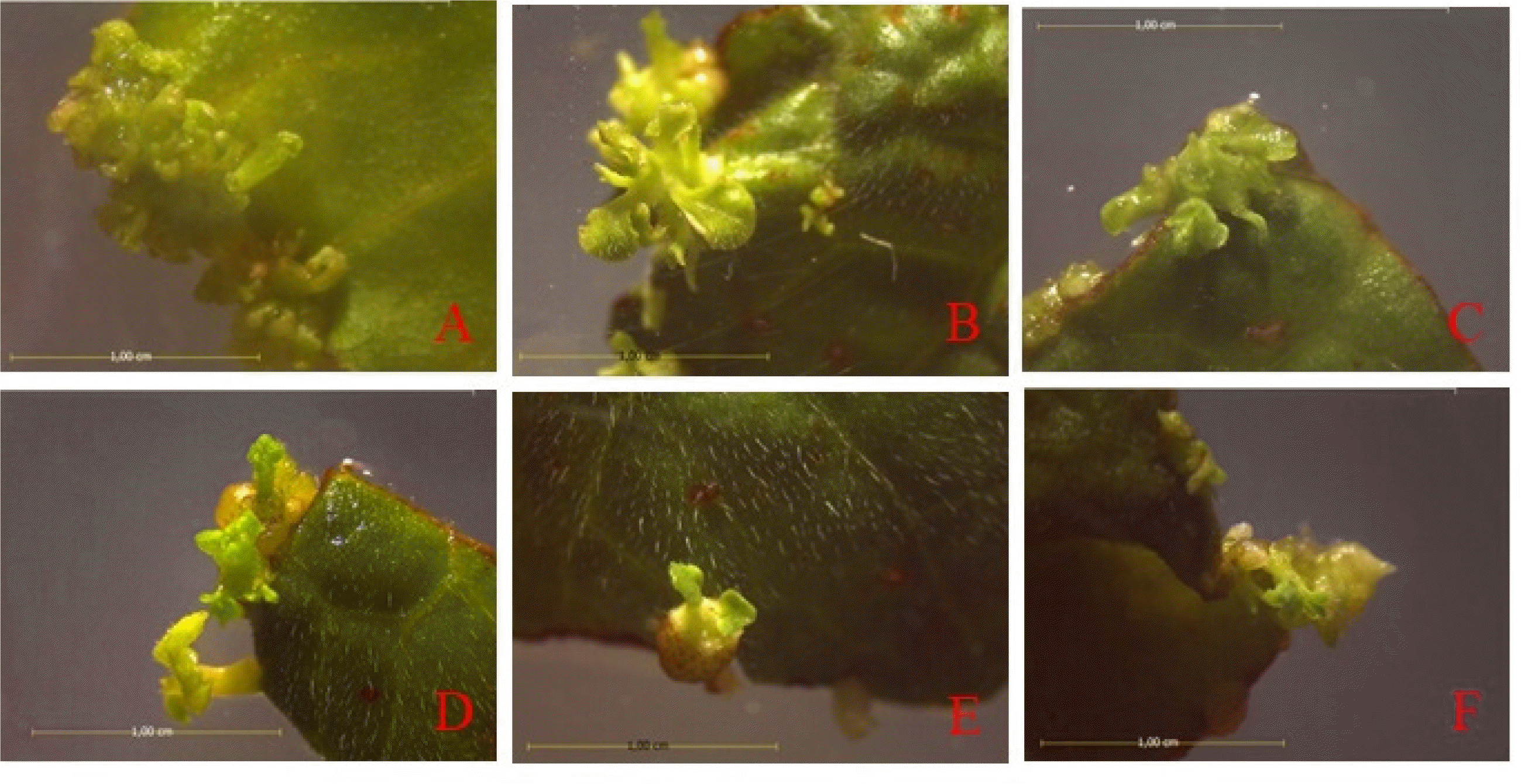
Table 1). The higher the BAP concentration in the medium, the fewer shoots produced. BAP concentration at 1.5 mg/L generates the fewest shoots, namely 12.5 shoots. Different hormone concentrations also affect the height of the shoots produced. The addition of a BAP hormone concentration of 0.25 mg/L produces the highest number of shoots with an average height of 5.1 cm at 35 days after inoculation of explants. By contrast, administering BAP 1.5 mg/L results in the shortest shoots with an average shoot height of 1.5 cm at 35 days after the inoculation of explants. These results are consistent with the outcomes of microscopic observations, showing that treatment with BAP 0.25 mg/L produces a higher number of shoots than treatment with BAP 1.5 mg/L (
Fig. 1).
The addition of BAP at 0.25 mg/L induces shoots more quickly, namely on the 6th day after inoculation of explants. The shoots then continue to elongate and increase in number over 35 days. The early emergence of shoots is directly proportional to the number of shoots produced. The sooner the shoots appear, the more shoots are produced. The addition of BAP hormone effectively induces cell division at the cut edges of leaf explants. The results of leaf explant multiplication were observed histologically at the beginning of shoot multiplication.
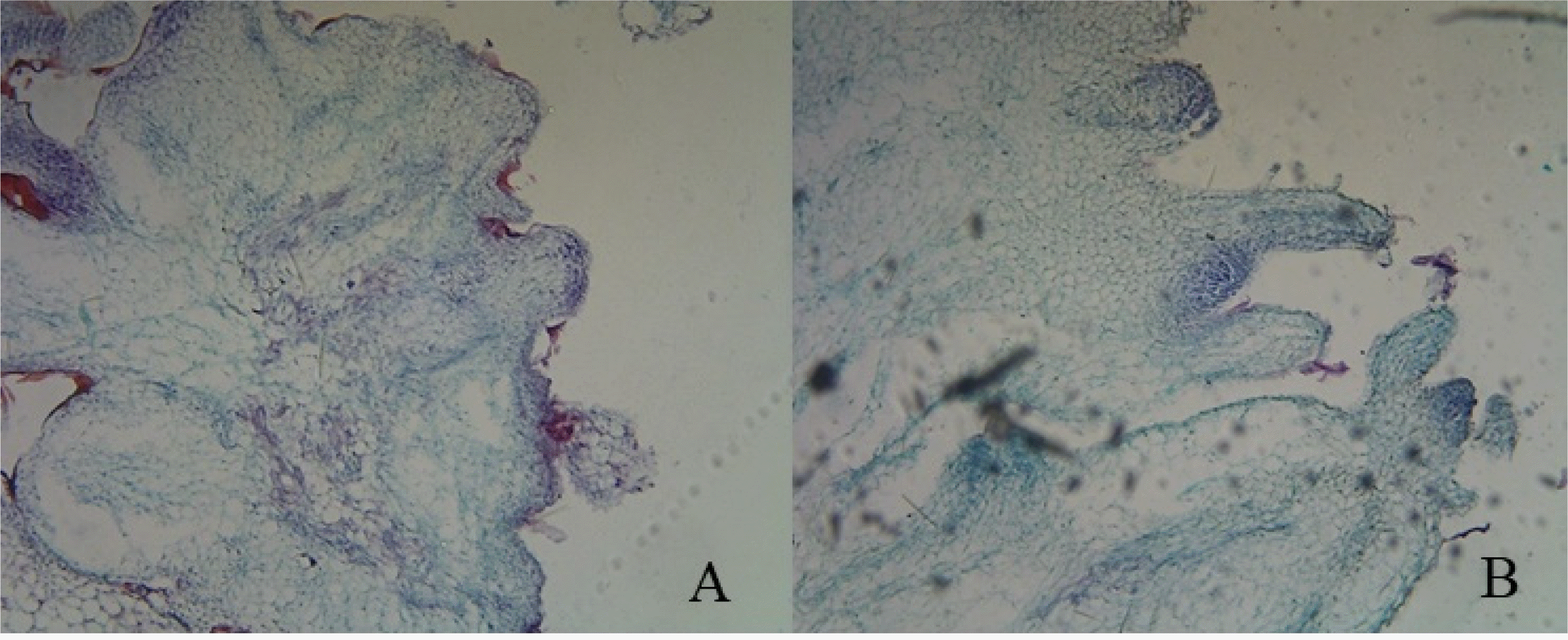
The histological observation of 0.25 mg/L BAP treatment documented a response to cell division on the leaf surface of explants, forming embryo-like protrusion structures (
Fig. 2a). The embryo-like protrusion grows and gradually turns into the beginning of the emergence of shoot multiplication (
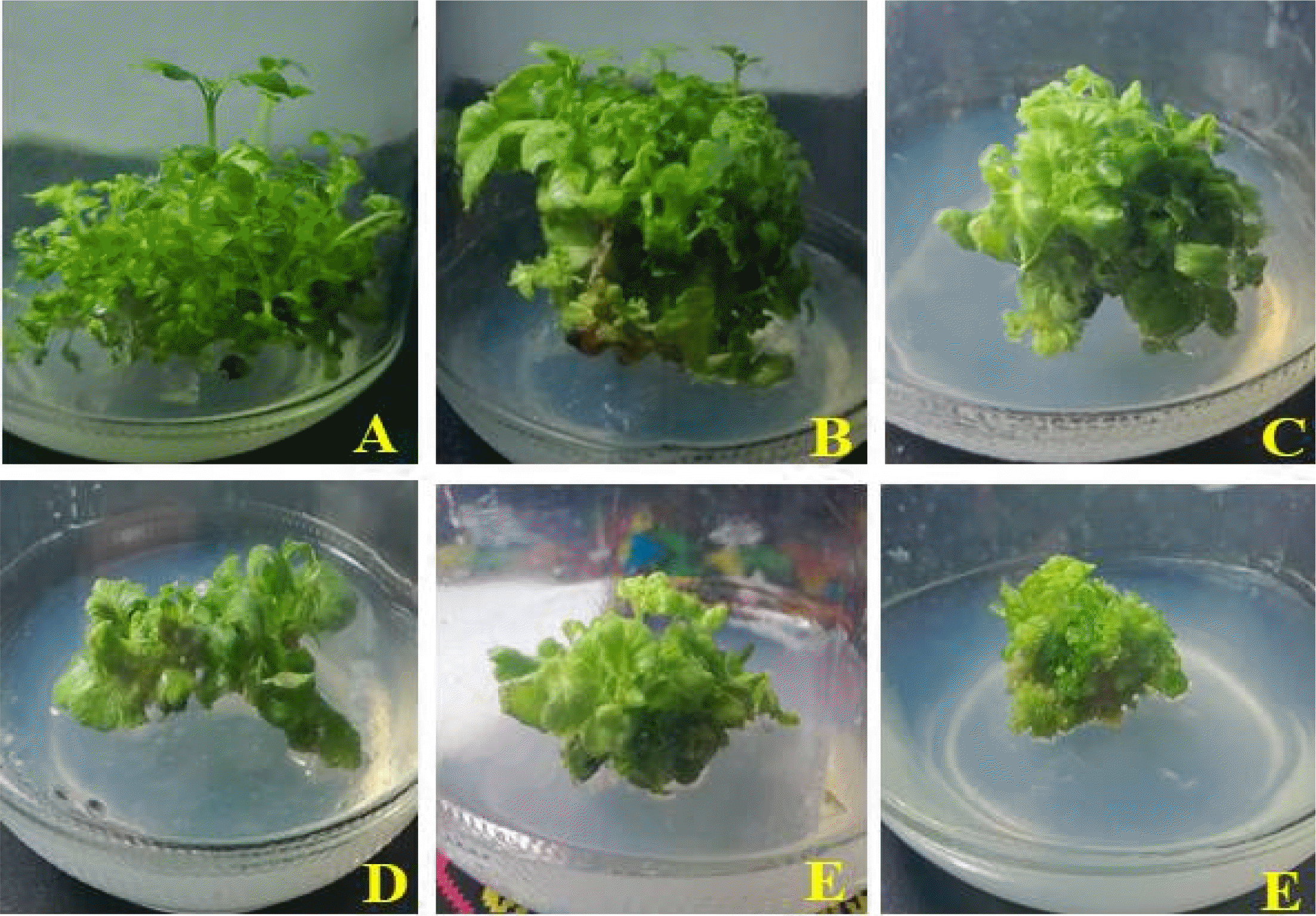
Fig. 2b). This patchouli regeneration takes place through direct organogenesis and demonstrates the potential to produce patchouli seedlings quickly. This method can aid the production of virus-free patchouli seedlings as well as many early shoots. The results of patchouli shoot multiplication at 35 days are shown in
Fig. 3.
Minimum use of BAP concentration of 0.25 mg/L can produce the best shoot growth (
Fig. 3). This result shows that lower BAP concentrations lead to better patchouli shoot growth. By contrast, higher concentrations result in suboptimal growth of root system. In other words, the cytokinin hormone BAP cannot induce root formation, so subculture is necessitated in a prepared medium supplemented with the auxin hormone.
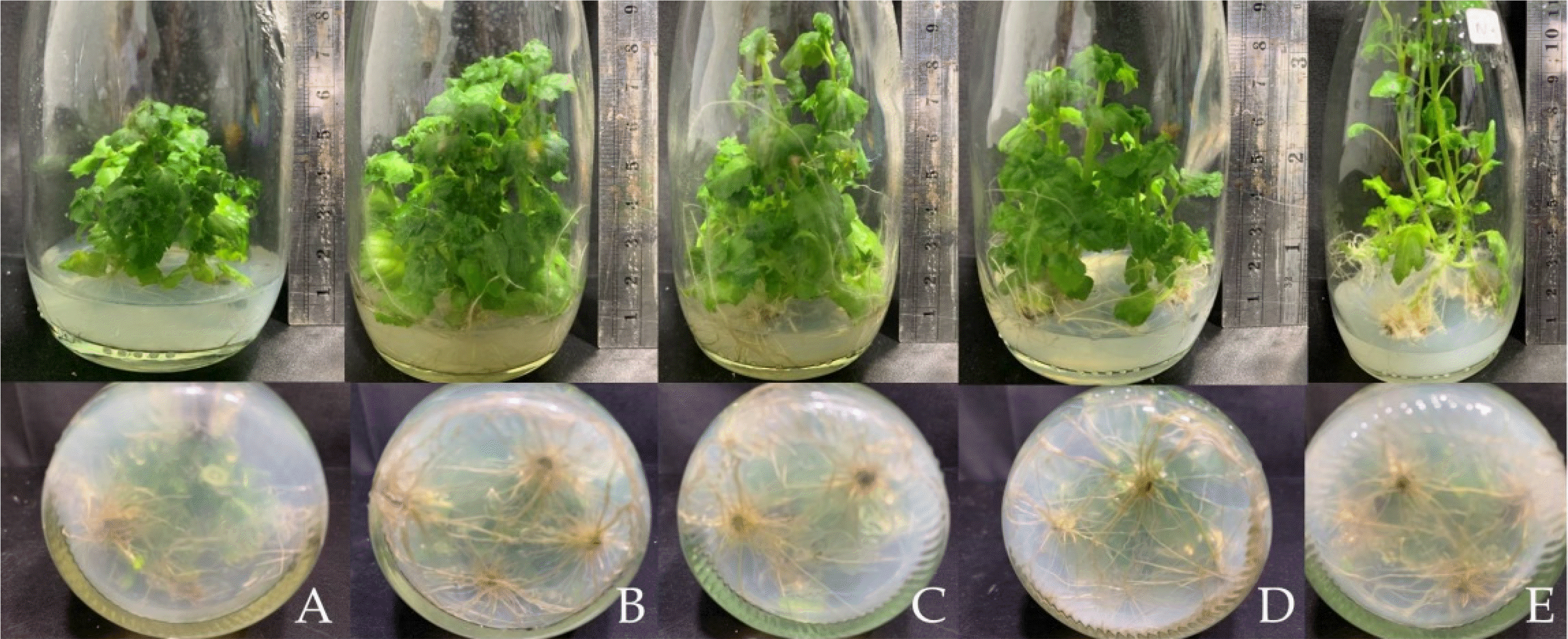
The addition of the NAA hormone in MS medium triggers root induction, leading to the growth of a good root system to support successful acclimatization and adaptation of plantlets to the ex vitro environment. The addition of NAA to the culture medium induced roots at 2 weeks after subculture, yet it is also found that each NAA concentration triggers a different response, as indicated by shoot and root growth (
Fig. 4).
Based on observations (
Fig. 4), all NAA-treated cultures in MS medium produced patchouli roots after subculture. The low NAA concentration treatment shows the best patchouli root induction, but the higher NAA concentration treatment shows less optimal results. Treatment involving NAA 0.2 mg/L exhibits the best root growth, although inhibited. Likewise, treatment with NAA at 0.8 mg/L shows lower root growth, but it maintains the highest shoot growth. The control treatment without NAA addition shows the worst shoot and root growth. Based on
Table 2, the addition of 0.2 mg/L NAA to MS medium has a significant effect on plant fresh weight, plant length, and root length. Simply put, auxin plays a crucial role in inducing optimal root growth.
Treatment using NAA 0.2 mg/L produces the largest fresh weight of plantlets (1.49 g), the longest plants (18.27 cm), and the longest roots (8.67 cm), but plant height is only 9.60 cm. However, an NAA concentration of 0.2 mg/L yields a plant height of only 9.6 cm. Treatment of NAA 0.8 mg/L produced plant length 12.67 cm, plant height of 10.53 cm, root length of 2.13 cm, and fresh weight of plantlets at 0.81 g. The control treatment without NAA hormones results in the lowest plant fresh weight (0.32 g), the shortest plants (7.77 cm), the lowest shoot length (6.13 cm), and the shortest root length (1.63 cm).
Acclimatization
The acclimatization using the covering method helped plantlets adapt to the ex-vitro environment, and the results demonstrate that various covering durations have a significant effect on the growth of patchouli. Patchouli seedlings acclimatized to a longer covering duration show optimal growth. Treatment without covering (T0) is characterized by stressed seedlings and stunted growth. Based on observations (
Table 3), the control treatment (T0) maintains a 60% survival rate. Some seedlings wilted, and after 4 days of acclimatization, they died. However, some seedlings survived despite showing signs of stress and disrupted growth, such as dry, falling leaves. This is because uncovered treatments tend to heighten transpiration, so the need for water required for ideal seedlings is unmet. The treatments with covering for 6 days, 9 days, and 12 days resulted in a survival percentage of 100%.
The prolonged covering during the patchouli acclimatization significantly affects the growth of patchouli seedlings. Based on observations (
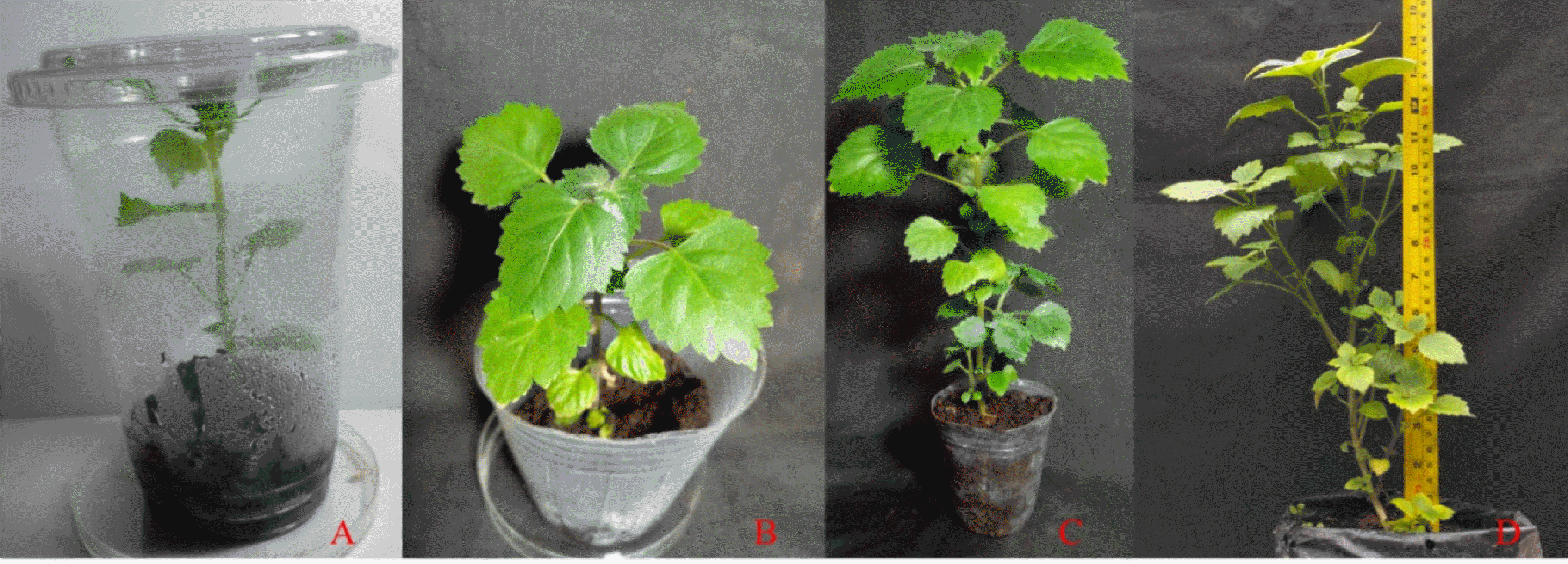
Table 3), 12-day covering (T4) shows the best growth as indicated by the longest plant (25.8 cm), the tallest plant (9.5 cm), the longest root (7.9 cm), the fresh plant weight of 1.85 g, leaf width of 3 cm, and 100% survival percentage. Meanwhile, the control treatment (T0) leads to stressed seedlings and stunted root growth. By implication, seedlings acclimatized to optimal environmental conditions can reduce stress damage. In this study, patchouli acclimatized for 12 days achieved 100% survival and optimal growth. The results further exhibit that the acclimatized seedlings transferred to the greenhouse demonstrate satisfactory adaptation to the field environment (
Fig. 5b).
After two weeks of covering, patchouli seedlings were planted in polybags and transferred to the greenhouse. The prepared seedlings show exemplary growth, as indicated by increased leaf number and plant height. The patchouli seedlings began to produce branches in the 6
th week (
Fig. 5c). Patchouli seedling branches and the number of leaves increased significantly at week 14 (
Fig. 5d). Robust seedling growth indicates a strong capacity for adaptation to field conditions. The success of seed acclimatization can be leveraged by anti-transpiration treatment. Further research needs to examine the quality and yield of essential oils produced from in vitro-propagated patchouli.
Discussion
This study has demonstrated that successful shoot multiplication of patchouli is achieved through the use of a BAP hormone concentration of 0.25 mg/L, which significantly improves explant growth. The higher the concentration of the BAP hormone, the lower the shoot height. This result coheres with
Swamy et al. (2010), who found that 0.5 mg/L BA produced more shoots than 1 mg/L or 2 mg/L BA. The administration of 0.5 mg/L BA results in the emergence of 45.66 shoots (
Swamy et al. 2010). This is also in line with
Lalthafamkimi et al. (2021), who found that patchouli leaf explants produced the highest number of shoots at a BAP hormone concentration of 1.0 mg/L, with 29.2 shoots per explant compared to BAP concentrations of 1.5 mg/L and 2.0 mg/L, which produced 21.9 shoots/explant and 19.3 shoots/explant, respectively. This shows that patchouli growth in vitro is controlled by the balance and interactions between endogenous and exogenous hormones in the culture medium (
Anis et al. 2016). Yusniwati et al. (2021) further that BAP can interact with endogenous hormones in leaf explants to promote shoot formation. This has also been exemplified and confirmed by
Restanto et al. (2023), reporting that the addition of 0.5 mg/L BAP to MS medium results in the best multiplication as marked by early shoot emergence at 12.42 days after inoculation of explants, a higher number of shoots (10.08 per explant), and increased leaf production (34.33 leaves). Another critical result is that cytokinins are among the major hormones that regulate numerous aspects of plant growth and development (
Ahammed et al. 2016). In this study, the addition of a low BAP concentration of 0.25 mg/L produces the highest number of shoots, as evinced by histological observations. BAP 0.25 mg/L treatment increases cell division, resulting in many embryos with the potential to form multiple shoots.
These results corroborate the success of patchouli propagation via tissue culture, as demonstrated by histological analysis of the resulting embryos. The results resonate with previous research reporting multiplication of patchouli
var. Sidikalang through a robust treatment involving MS medium supplemented with BAP 0.2 mg/L and kinetin 0.2 mg/L (
Hardjo et al. 2019). The combination of BAP 1 mg/L and NAA 2 mg/L stimulates rapid shoot growth and the highest number of shoots and leaves (
Maulia et al. 2021). Their study is aligned with
Deepa et al. (2022), who report that the combination of BAP and NAA in MS medium produced better patchouli multiplication than the combination of TDZ and NAA. Likewise,
Sharma et al. (2015) report that the combination of IBA 0.1 mg/L with kinetin 2.5 mg/L on MS medium shows the best results in shoot multiplication, with an early emergence of shoots within 4 weeks, 72.33 shoots, shoot length of 15.64 cm, 5.7 leaves, and 3.3 roots (
Sharma et al. 2015).
Successful root induction of patchouli was achieved through the addition of auxin hormone NAA. Auxin is proven to be a major phytohormone that initiates root formation (
Ahammed et al. 2016). In this study, a low NAA concentration (0.2 mg/L) promotes optimal root growth but inhibits shoot growth. The addition of low concentrations of NAA leads to a better root growth. In previous research, the root can be induced in a prepared medium with auxin such as NAA. The addition of 0.75 mg/L NAA produces the highest number of roots (7.8 roots;
Suci et al. 2022). By contrast, the addition of auxin hormones, such as IAA, IBA, and NAA, during root induction produces different effects. According to
Florenika et al. (2022), the addition of 0.5 mg/L NAA to MS medium results in 90% patchouli root growth, while IBA at 0.5 mg/L of MS medium stimulates 60% patchouli root growth. According to
Lalthafamkimi et al. (2021), IBA triggers better root induction than NAA or IAA.
Deepa et al. (2022) report that half-strength MS medium supplemented with 2.46 µM IBA enables the best root induction, indicated by a root induction frequency of 79.10% and 16.24 roots, each of which measures 6.07 cm long.
The other vital result shows that successful plant adaptation through in vitro propagation is influenced by the appropriate acclimatization, which is pivotal for initial plantlet growth. Acclimatization is the process by which plants gradually adapt to environmental conditions (
Sinta et al. 2019). For instance, Godbole et al. have reported that the success rate of acclimatizing
Pogostemon paniculatus using only the covering method reaches only 55% after 2 weeks in the greenhouse (
Godbole et al. 2022). This is because plantlets produced by in vitro micropagation exhibit reduced epicuticular wax and impaired stomatal function (
Goncalves et al. 2017). This study resonates with previous research documenting the essentiality of gradual acclimatization stages at lower humidity, higher light intensity, and temperature conditions (
Anis et al. 2016). This is because in vitro conditions differ from ex vivo conditions, particularly in terms of humidity. Based on initial in vitro observations, patchouli plantlets exhibit stomata that tend to open, potentially leading to dehydration during acclimatization.
Plants acclimatized in vitro will experience increased leaf transpiration and significant water loss, which can cause wilting and plant death. Acclimatized plantlets will experience abiotic stress due to differences in environmental conditions, leading to higher transpiration rates (
Khandel et al. 2022). Higher transpiration rate can occur due to open plantlet stomata. According to
Perez-Jimenez et al. (2015), when stomata do not function normally, thin cuticles on in-vitro plant leaves can grow and gradually cause dryness through water loss. This is more likely to occur when in-vitro plants are moved to ex-vitro conditions. Thus, during acclimatization, maintaining optimal humidity is critical to reduce transpiration rate. High transpiration in seedlings can cause water stress and imbalance between light energy absorption and photosynthesis, while at the same time decreasing cell metabolism, protein oxidation, and nucleic acid levels (
Irsyadi 2021). Covering seedlings during acclimatization can increase humidity and promote morphological adaptations, such as new leaf growth, extended plant length, and increased plant fresh weight. In this study, patchouli acclimatization assisted by covering for 12 days is proven effective to maintain optimal seedling growth.
This research offers a solution to the problem of in vitro patchouli propagation. The results have revealed that variations in covering durations will lead to significantly different plantlet performance. The 12-day treatment allows the seedlings time to adapt effectively, but the 3-day treatment period results in poor growth. Likewise, the control treatment shows seedlings under stress. Decent growth following effective adaptation is marked by seedlings that can survive dehydration or water shortage during the outset of acclimatization. The longer the acclimatization period is, the higher the survival rate will be (
Oktavia et al. 2020). According to
Sinta et al. (2019), covering during acclimatization aims to maintain high relative humidity and reduce transpiration rate.
Khandel et al. (2022) further document that covering duration and light intensity are the main factors for success during the acclimatization stage of
lily plantlets.
Acknowledgments
This research was supported by the Department of Agronomy, Faculty of Agriculture, University of Jember, Indonesia.
Fig. 1Observations of the emergence of shoots at 8 magnifications: (A) B1 0.25 mg/L, (B) B2 0.50 mg/L, (C) B3 0.75 mg/L, (D) B4 1.00 mg/L, (E) B5 1.25 mg/L, (F) B6 1.50 mg/L.
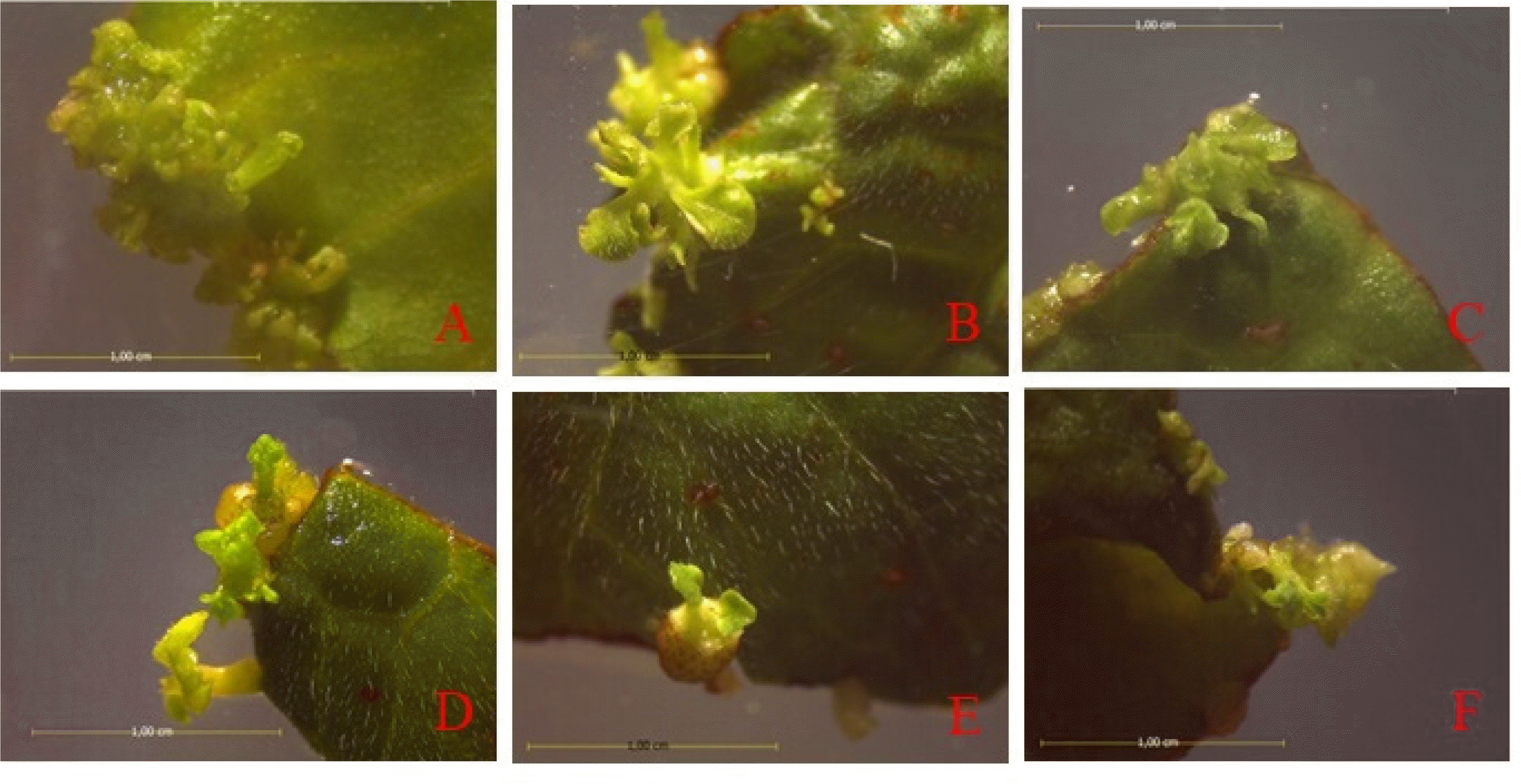
Fig. 2Histological observations at the beginning of patchouli multiplication: (A) initial explant response forming embryo-like protrusion structures, and (B) beginning of patchouli shoot multiplication.
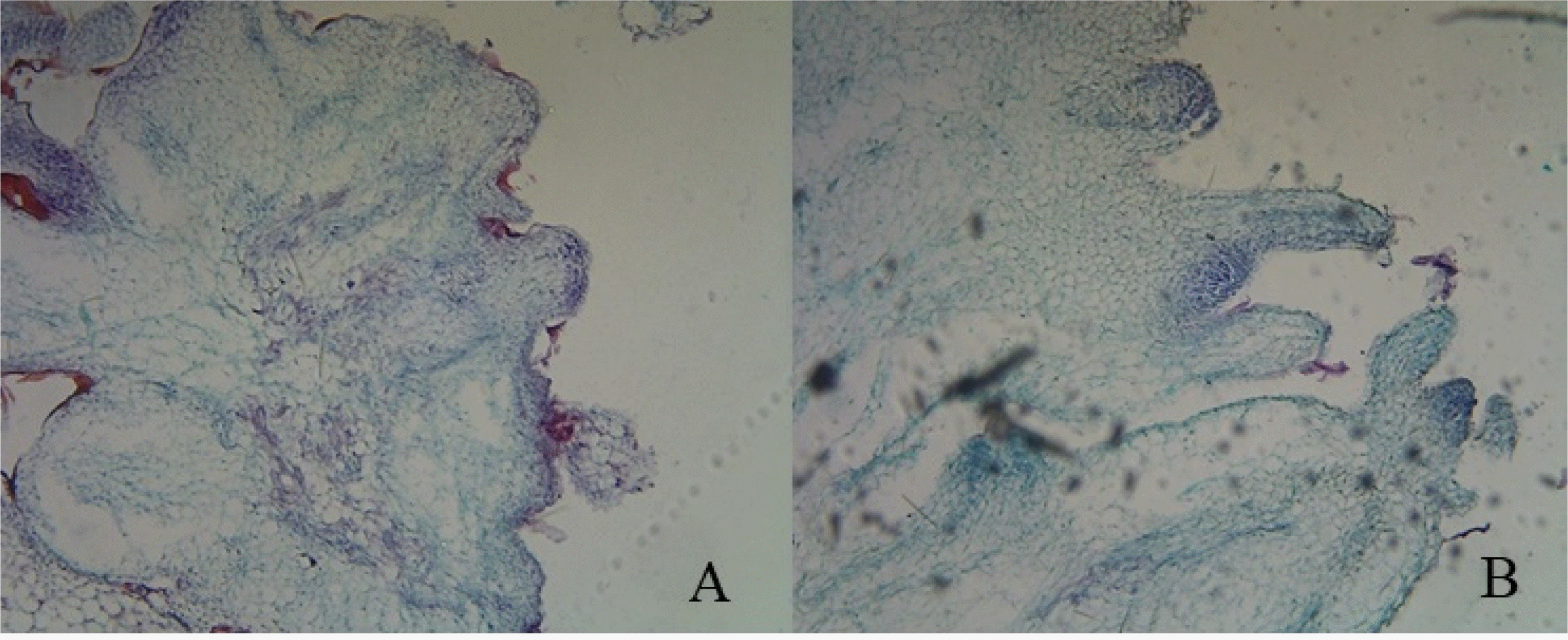
Fig. 3Shoot multiplication for 35 days after inoculation of explants. (A) BAP 0.25 mg/L, (B) BAP 0.50 mg/L, (C) BAP 0.75 mg/L, (D) B4 1.00 mg/L, (E) B5 1.25 mg/L, (F) B6 1.50 mg/L.
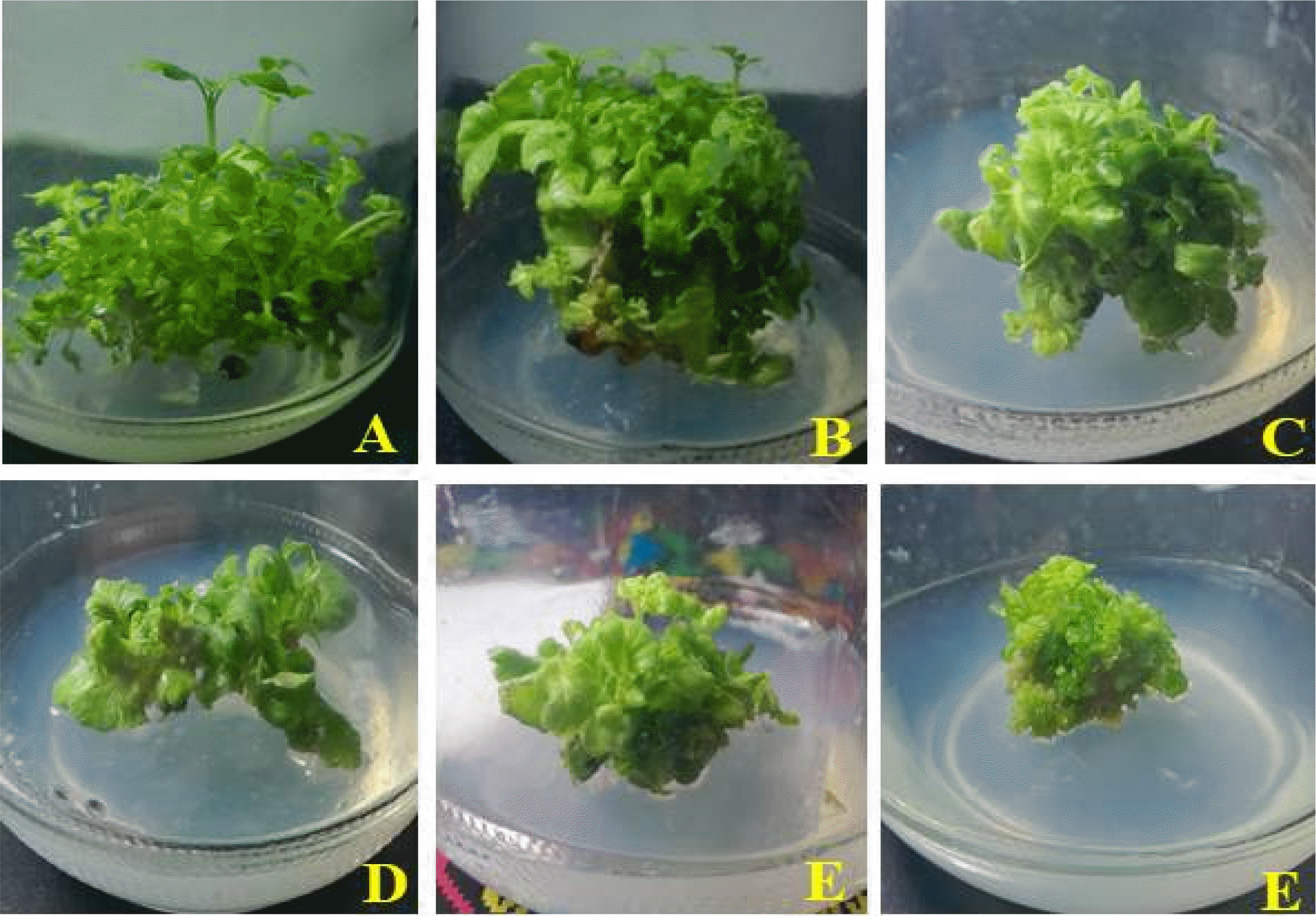
Fig. 4Growth of patchouli plantlets in the 6th week after sub-culture. (A) control treatment, (B) NAA 0.2 mg/L, (C) NAA 0.4 mg/L, (D) NAA 0.6 mg/L, (E) NAA 0.8 mg/L.
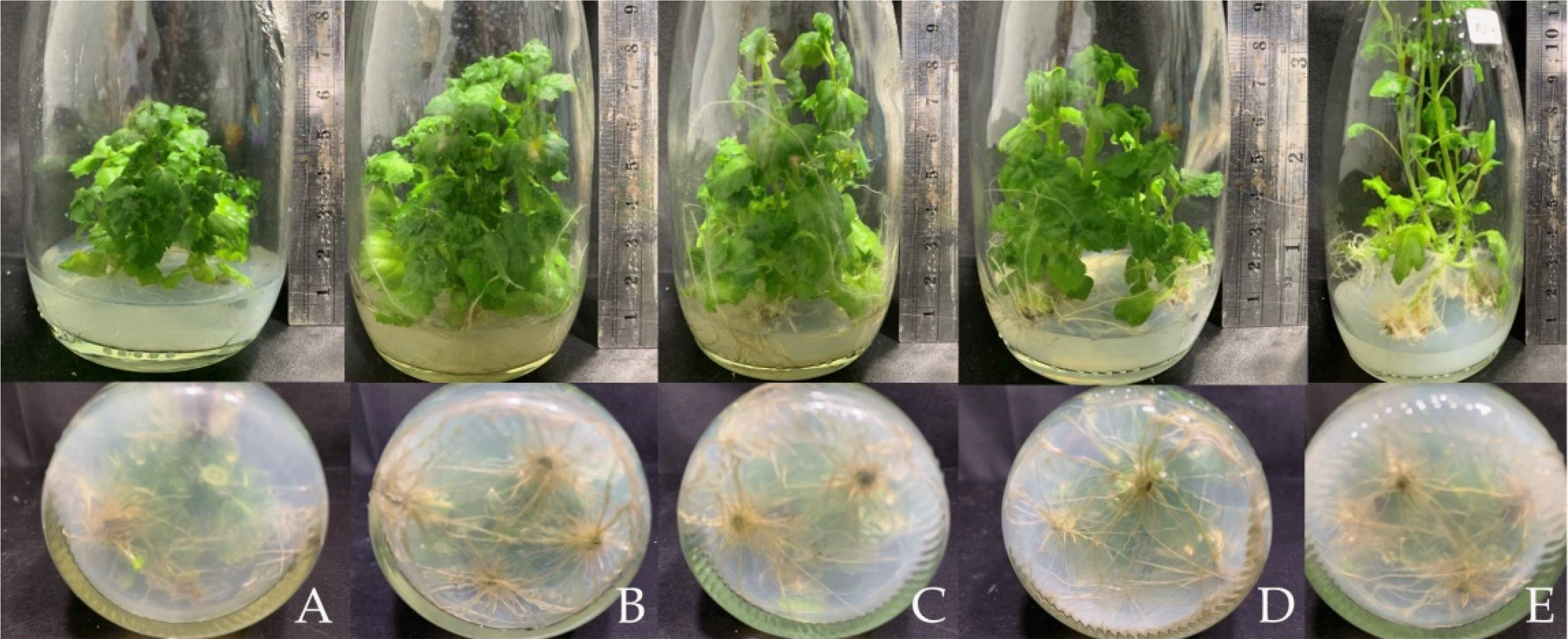
Fig. 5Acclimatization using the covering method. (A) initial acclimatization in covering conditions, (B) growth of patchouli after transplanting into polybags, (C) growth of patchouli seedlings 6 weeks after transplanting to the greenhouse, (D) growth of patchouli seedlings 14 weeks after transplanting to the greenhouse.
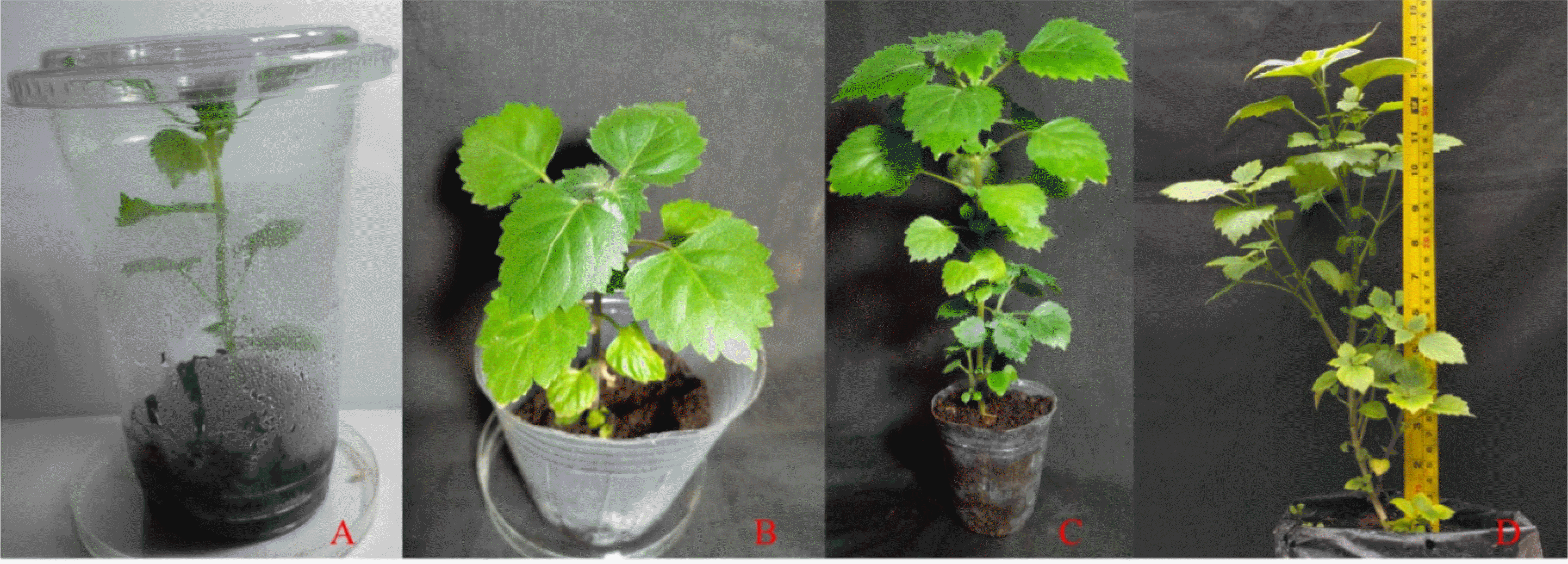
Table 1The average patchouli shoot multiplication time is 35 days.
Table 1
|
BAP Treatment (mg/L) |
The average of the data |
|
|
Time of shoot’s appearance (days) |
Number of shoots |
Height of shoots (cm) |
|
B1 (BAP 0.25 mg/L) |
6.3 ± 0.50a
|
68.5 ± 3.11a
|
5.1 ± 0.34a
|
|
B2 (BAP 0.50 mg/L) |
7.8 ± 0.50b
|
48.3 ± 2.99b
|
4.4 ± 0.21b
|
|
B3 (BAP 0.75 mg/L) |
10.5 ± 0.58c
|
23.5 ± 1.29c
|
2.6 ± 0.22c
|
|
B4 (BAP 1.00 mg/L) |
10.8 ± 0.96c
|
19.5 ± 2.08d
|
2.6 ± 0.17c
|
|
B5 (BAP 1.25 mg/L) |
12.5 ± 1.00d
|
19.0 ± 1.83d
|
2.0 ± 0.22d
|
|
B6 (BAP 1.50 mg/L) |
14.8 ± 0.96e
|
12.5 ± 2.08e
|
1.5 ± 0.13e
|
Table 2The result of the growth of root induction in Aceh patchouli.
Table 2
NAA (mg/L)
Treatment |
The average of the data |
|
|
Plant length (cm) |
Plant height (cm) |
Root length (cm) |
Fresh weight of plant (g) |
|
N0 (control) |
07.77± 0.71c
|
6.13 ± 0.57b
|
1.63 ± 0.14e
|
0.32 ± 0.25c
|
|
N1 (naa 0.2 mg/l) |
18.27 ± 5.09a
|
9.60 ± 4.88ab
|
8.67 ± 0.21a
|
1.49 ± 0.61a
|
|
N2 (naa 0.4 mg/l) |
15.63 ± 1.56ab
|
10.87 ± 1.34a
|
4.77 ± 0.21b
|
1.35 ± 0.24ab
|
|
N3 (naa 0.6 mg/l) |
15.40 ± 0.35ab
|
12.83 ± 0.35a
|
2.57 ± 0.00c
|
1.31 ± 0.46ab
|
|
N4 (naa 0.8 mg/l) |
12.67 ± 1.77b
|
10.53 ± 1.56a
|
2.13 ± 0.21d
|
0.81 ± 0.36bc
|
Table 3The growth of patchouli seedlings during acclimatization.
Table 3
|
Duration of covering treatment |
The average of the data |
|
Plant length
(cm) |
Plant height
(cm) |
Root length
(cm) |
Fresh weight of plant (g) |
Leaf width
(cm) |
percentage of survival (%) |
|
T0 (control) |
9.0 ± 0.72c
|
7.1 ± 0.96d
|
1.9 ± 0.31d
|
0.25 ± 0.05c
|
1.6 ± 0.25c
|
60 ± 54.77 |
|
T1 (3 days) |
13.4 ± 0.48b
|
10.0 ± 0.80c
|
3.4 ± 0.59c
|
0.40 ± 0.04c
|
2.2 ± 0.30b
|
80 ± 44.72 |
|
T2 (6 days) |
15.8 ± 1.88b
|
10.8 ± 1.52c
|
5.0 ± 1.08b
|
1.12 ± 0.23b
|
2.9 ± 0.29a
|
100 ± 0.00 |
|
T3 (9 days) |
23.6 ± 1.54a
|
16.0 ± 1.65b
|
7.6 ± 0.54a
|
1.74 ± 0.09a
|
2.9 ± 0.19a
|
100 ± 0.00 |
|
T4 (12 days) |
25.8 ± 3.85a
|
19.5 ± 1.17a
|
7.9 ± 0.59a
|
1.85 ± 0.07a
|
3.0 ± 0.34a
|
100 ± 0.00 |
References
- Ahammed GJ, Yu J. 2016. Plant hormones under challenging environmental factors. Springer Nature. pp. 1-21.
- Anis M, Ahmad N. 2016. Plant tissue culture: Propagation, conservation, and crop improvement. Springer Singapore. pp. 3-13.
- Deepa AV, Thomas TD. 2022. High-frequency direct shoot induction from leaf explants of Pogostemon quadrifolius (Benth.) F. Muell.: An ethnomedicinal herb. In Vitro Cell. Dev. Biol. Plant. 58(2): 321-329.
- Florenika N, Wijaya AN, Restanto DP, Hardjo PH. 2022. Regeneration of pogostemon cablin benth. 'Sidikalang' through indirect organogenesis and shoot multiplication for production of true-to-type plant. Agriprima: Journal of Applied Agricultural Sciences. 6(1): 1-11.
- Godbole M, Vanya KN, Lenifer HD, Amrutha Y, Shruthi K, Sujay KS. 2022. Micropropagation of pogostemon paniculatus. Asian J. Pharm. Res. Dev. 10(4): 16-21.
- Goncalves S, Martins N, Romano A. 2017. Physiological traits and oxidative stress markers during acclimatization of micropropagated plants from two endangered Plantago species: P. algarbiensis Samp. and P. almogravensis Franco. In Vitro Cell. Dev. Biol. Plant. 53(3): 249-255.
- Hardjo PH, Susanto DPS, Savitri WD, Purwanto MGM. 2019. Shoot multiplication of Pogostemon cablin var. Sidikalang and patchouli oil profile. Nusant Biosci. 11(2): 123-127.
- Irsyadi MB. 2021. Factors that affect the optimal plantlet growth from tissue culture on the acclimatization stage. In Proc. Internat. Conf. Sci. Engin. 4(February): 100-104.
- Junren C, Xiaofang X, Mengting L, Qiuyun X, Gangmin L, Huiqiong Z, et al. 2021. Pharmacological activities and mechanisms of action of Pogostemon cablin Benth: A review. Chin. Med. 16: 1-20.
- Karabiyik S, Sen EY. 2023. Using histological techniques for plant tissue culture studies. MolBiotech. 151-157..
- Khandel AK, Gantait S, Verma SK. 2022. Optimization of growing conditions, substrate types, and their concentrations for acclimatization and post-acclimatization growth of in vitro-raised flame lily (Gloriosa superba L.) plantlets. Vegetos. 35(1): 228-236.
- Lalthafamkimi L, Bhattacharyya P, Bhau BS, Wann SB, Banik D. 2021. Direct organogenesis mediated improvised mass propagation of Pogostemon cablin: A natural reserve of pharmaceutical biomolecules. S. Afr. J. Bot. 140: 375-384.
- Maulia E, Zuyasna , Basyah B. 2021. Growth of patchouli shoots (Pogostemon Cablin Benth) with several concentrations of growth regulator substances. IOSR. J. Agric. Vet. Sci. 14(1): 38-46.
- Mayerni R, Armansyah W, Chan SROS. 2020. The Direct Organogenesis in Local Clones of Patchouli Plant (Pogostemon cablin Benth) In Vitro. JERAMI Indonesian Journal of Crop Science. 3(1): 16-19.
- Mayura E, Gustian G, Mayerni R. 2020. Shoot induction using Benzyl Adenine in three accessions of patchouli plant (Pogostemon cablin Benth) from West Pasaman. Int. J. Environ. Agric. Biotechnol. 5(4): 936-942.
- Murashige F, Skoog T. 1962. A revised medium for rapid growth and bioassay with tobacco tissue culture. Physiol. Plant. 15: 473-497.
- Normasari R, Arumingtyas EL, Retnowati R, Widoretno W. 2023. In vitro mutagenesis on patchouli (Pogostemon cablin Benth.) with gamma-ray irradiation on leaf explants. Biodiversitas. 24(12): 6407-6414.
- Oktavia F, Stevanus CT, Dessailly F. 2020. Optimization of temperature and humidity conditions as well as the effect of media composition on the success of rubber plants originated from somatic embryogenesis acclimatization. J. Penelit. Karet. 38(1): 1-1. https://doi.org/10.22302/ppk.jpk.v38i1.677.
- Oseni OM, Pande V, Nailwal TK. 2018. A review on plant tissue culture, a technique for propagation and conservation of endangered plant species. Int. J. Curr. Microbiol. Appl. Sci. 7(7): 3778-3786.
- Perez-Jimenez M, Lopez-Perez AJ, Otalora-Alcon G, Marin-Nicolas D, Pinero MC, Amor FMD. 2015. A regime of high CO2 concentration improves the acclimatization process and increases plant quality and survival. Plant Cell Tissue Organ. Cult. 121(3): 547-557.
- Puspita DE, Efendi E, Zakaria S, Sriwati R. 2023. Indirect organogenesis of aceh patchouli leaf explants (Pogostemon cablin Benth) by in vitro. IOP Conf. Ser. Earth Environ. Sci. 1183(1): 012052
- Rahayu S, Heriani S. 2021. Detection of essential oils of patchouli leaves (Pogostemon cablin Benth) with combination of 2, 4- dichlorofenoxyacetate and coconut water in vitro. Int J Ecophysiol. 3(1): 96-117.
- Rahmawati M, Safira CN, Hayati M. 2021. In vitro propagation of aceh patchouli (Pogostemon cablin Benth.) by combining IAA and Kinetin. J. Agrium. 18(1): 25-33.
- Restanto DP, Hanifah FL, Prayoga MC, Avivi S, Soeparjono S, Dewanti P. 2023. The effect of BAP (Benzyl Amino Purine) and NAA (Naphthalene Acetic Acid) on the multiplication of patchouli (Pogostemon cablin Benth) of Aceh. Pros. Sem. Nas. PERHORTI. 1(2): 162-170.
- Herdiana N. Sahwalita.2016. Cultivation of patchouli (Pogostemon cablin Benth. ) and production of essential oils. Palembang: Environmental and Forestry Research Institute..
- Sharma P, Sarma J. 2015. Pogostemon cablin (Blanco) Benth (Lamiaceae) It's Ethnobotany & in vitro regeneration. PHCOG J. 7(3): 152-156.
- Sinta MM, Amanah DM. 2019. Acclimatization and early growth of tissue culture-derived Stevia rebaudiana at low altitude area in Bogor, Indonesia. MP. 87(1): 68-76.
- Suci RN, Kesumawati E, Rahmawati M. 2022. Benzyl amino purine and naphtalene acetic acid under in vitro condition. J. Agrista. 26(1): 34-39.
- Swamy MK, Balasubramanya S, Anuradha M. 2010. In vitro multiplication of pogostemon cablin benth through direct regeneration. Afr. J. Biotechnol. 9(14): 2069-2075.
- Swamy MK, Mohanty SK, Anuradha M. 2014. The effect of plant growth regulators and natural supplements on in vitro propagation of Pogostemon cablin Benth. J. Crop Sci. Biotechnol. 17(2): 71-78.
- Swamy MK, Sinniah UR. 2015. A comprehensive review on the phytochemical constituents and pharmacological activities of Pogostemon cablin Benth.: An aromatic medicinal plant of industrial importance. Molecules. 20(5): 8521-8547.
- Swamy MK, Sinniah UR. 2016. Patchouli (Pogostemon cablin Benth.): Botany, agrotechnology and biotechnological aspects. Ind. Crops Prod. 87: 161-176.
- Tiwari A, Kumar D, Venkatesha KT, Suryavanshi P, Chaucan A, Singh S, et al. 2020. Performance of stem cuttings in different propagating media in patchouli (Pogostemon patchouli Benth.). Plant Arch. 20(2): 4880-4884.
- Wahyudi A, Ermiati A, Sujianto S, Maslahah N. 2022. Developing sustainable production of patchouli oil in Kolaka, South East Sulawesi, Indonesia: A problem-solving approach. IOP Conf Ser Earth Environ Sci. 974(1): 012109