Abstract
Rice is globally one of the most important cereal crops that faces osmotic stress under any kind of abiotic stresses. An experiment was conducted under controlled condition to study the effects of polyethylene glycol (PEG) induced osmotic stress on root and root hair morphology and associated biochemical traits in four morphologically diverse rice genotypes. Plants were grown hydroponically. Two treatments, 0% (control) and 5% PEG 6000 (w/v), were imposed on 38 days old plants for 17 days’ duration. Main root axis length at first three youngest root bearing phytomers (Pr1-Pr3) was increased in Binadhan-11 but decreased in Binadhan-7 and BRRI dhan 71 under 5% PEG treatment compared to control. This result indicated that Binadhan-11 increased new root length perhaps to explore stress free environment. Length of L-type first order lateral root was also significantly increased by 2.03 fold in Binadhan-11 under 5% PEG treatment compared to control. Density and length of root hairs were increased at first order lateral roots in Binadhan-11 under 5% PEG treatment compared to control treatment those contributed largely to root surface area. Measurements of H2O2 and MDA revealed that Binadhan-11 was less affected by the oxidative damage caused by PEG. Data provides insight into the root morphological plasticity of four morphologically diverse rice varieties under PEG-induced osmotic stress.
-
Key words: Oryza sativa L., Root morphology, Main root axis, Root hairs, PEG
INTRODUCTION
Globally around 160 million ha of land are covered by one of the most important cereal crop rice, producing about 478 million tons of grains annually (USDA ERS,
www.ers.usda.gov/data-products/rice-yearbook.aspx). Osmotic stress significantly inhibits the water uptake of the plants from the rhizosphere, shrinks plant cell wall extensibility that may result in reduced growth of both leaves and roots (
Iraki et al. 1989;
Zhu et al. 1997). So to maintain sustainability in rice production under stressed environments, one of the strategies would be to develop high yielding rice cultivars with efficient root system that can adapt osmotic stress as root architectural traits play a decent role for the adaptation of crop varieties under different abiotic stresses (
Robin et al. 2014).
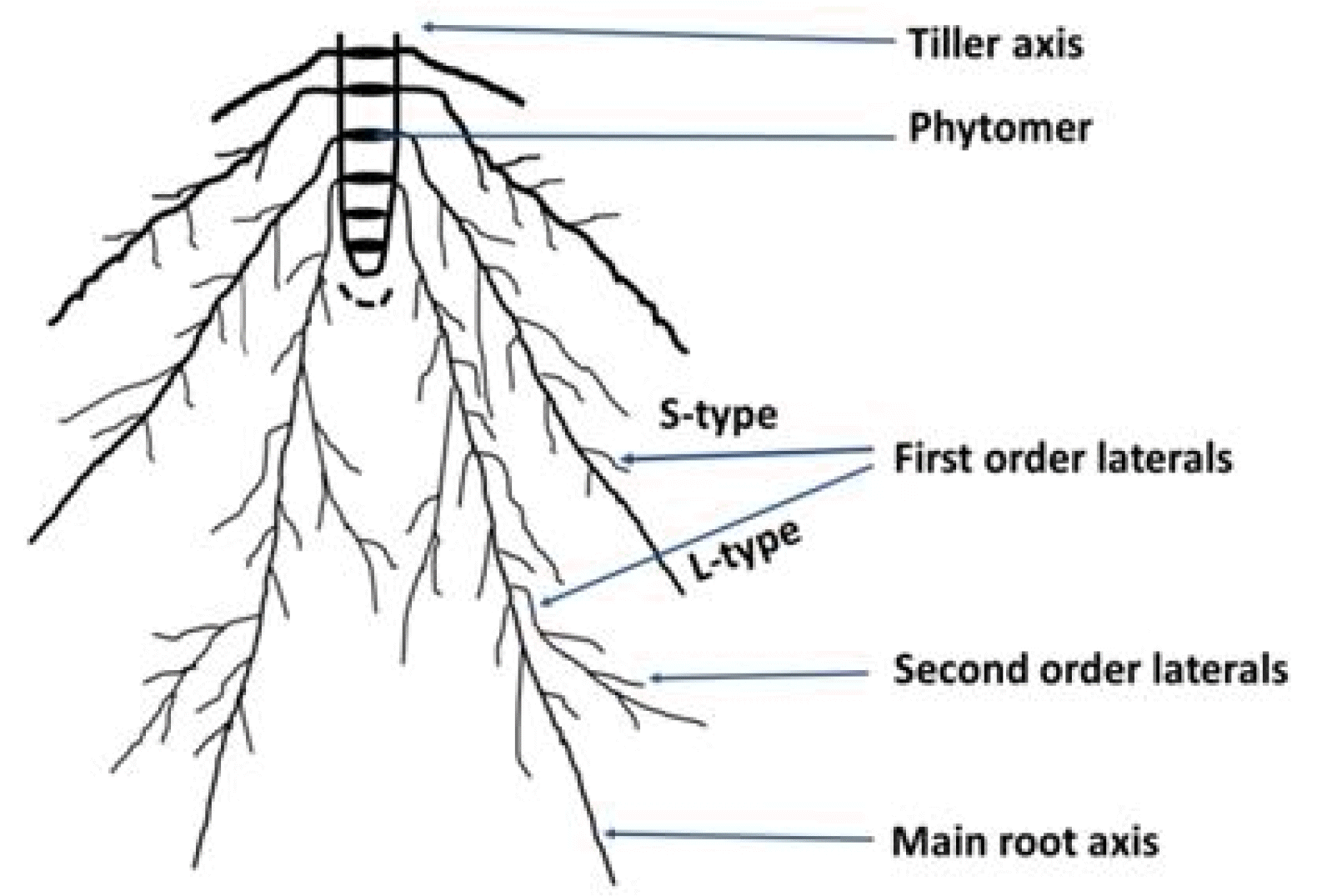
Like many higher plants, rice plants consist of some successive stem segments (
Fig. 1) with one leaf, one tiller bud and several adventitious (nodal) roots called phytomers (
Nemoto et al. 1995). The adaptive mechanism of rice roots under the osmotic stress is not well understood. The overall root system architecture of rice plants is usually formed by different root axes including primary root, lateral roots, and root hairs that provide functional anchorage and nutritional support to the plants (
Henry et al. 2011). In the case of rice, it is known that there are two types of first order lateral roots (
Fig. 1); long, thick and branched L-type roots, and short, slender and non-branched S-type roots (
Yamauchi et al. 1996). Root interaction with the changing environment is complex and differs among genotypes and intensity of stress (
Schiefelbein 2000). For that, different species and also genotypes under the same species may response contrarily under stress condition and show different magnitude of tolerance to stress. These diversities can be exploited by the breeders to improve stress tolerance in plants.
Root system architecture is regulated by an osmotica (
Deak and Malamy 2005). In laboratory conditions, PEG-treated hydroponic culture can impose osmotic stress artificially (
Yildiztugay et al. 2014) which can be an effective way for easy and efficient investigation of the root adaptive mechanisms of rice genotypes under osmotic stress. Therefore, the objective of this study was to explore the adaptive mechanism of the morphologically diverse rice genotypes under PEG-induced osmotic stress, giving emphasis on adaptive modifications of root and root hair traits. In addition, two oxidative stress compounds, hydrogen peroxide (H
2O
2) and malondialdehyde (MDA) content were measured under osmotic stress to understand the comparative tolerance level of four rice genotypes.
MATERIALS AND METHODS
Growth conditions and treatments
Seeds of four morphologically diverse rice varieties were collected from Bangladesh Institute of Nuclear Agriculture (BINA) and Bangladesh Rice Research Institute (BRRI) (
Table 1). For germinating seeds, polystyrene sheets (82 cm diameter) were floated on plastic trays filled with clean tap water and seeds were placed on the sheets. Around 200 seeds of each variety were placed on separate sheets on each tray for the selection of healthy seedling with proper root and shoot growth required for hydroponic transplantation. Seed germination process took 2-3 days. No nutrient solution was provided in the tray during germination of the seeds. There were two treatments and nine replicates per treatment for hydroponic culture. As single plants were used for root study, in this case each individual plant was considered as a replicate. Six individual plastic trays were used for this experimentation, 3 trays for each treatment. Each tray contained 12 plants, three plants from each variety. For hydroponic culture, plants were maintained at a temperature of 22 ± 2°C. In this experimentation, a modified Hoagland solution was used to supply appropriate amount of nutrient: 1mMㆍNH
4NO
3, 0.6mMㆍNaH
2PO
4ㆍH
2O, 0.6mMㆍMgCl
2ㆍH
2O, 0.3mMㆍK
2SO
4, 0.3mMㆍCaCl
2ㆍH
2O, 50mMㆍH
3BO
3, 90mMㆍFe-EDTA, 9mMㆍMnSO
4ㆍ4H
2O, 0.7mMㆍZnSO
4ㆍ7H
2O, 0.3mMㆍCuSO
4ㆍ5H
2O, 0.1mMㆍNaMoO
4ㆍ2H
2O dissolved in water (
Hoagland and Arnon 1950;
Robin et al. 2014). Every week nutrient solution was refreshed in the hydroponic culture and electrical conductivity (EC) was maintained between 0.7 and 0.9 dS/m. All plants were managed under the same environmental conditions until they became 38 days old. Two treatments were imposed at 38 days old plants. Those were 0% (control) and 5% polyethylene glycol-6000 (PEG-6000, Merck-Schuchardt, Hohenbrunn, Germany). PEG-6000 was used at a concentration of 5% in this experiment, as it was found from the previous study that PEG-6000 at 0.3% and 0.6% concentration induce significant osmotic stress in hydroponic culture (
Robin et al. 2015).
Leaves of four varieties from both control and PEG- treated plants were scored based on injury levels after twelve days of PEG treatment based on the Standard Evaluation System (SES) for rice (IRRI 1980). Visual scores were given based on symptoms on scale 0 to 9, where lower score denotes the tolerance (less injury to the leaves) and higher score denotes susceptibility (more injury to the leaves). Documentation of different root and root hair traits were assembled at the destructive harvest. Destructive harvest was done at 17 days after PEG application. Data of root and root hair traits were collected and compiled from the three replications of four varieties from both control and PEG-treated plants. Length of the main axis, first and second order lateral roots were measured by a centimeter ruler. All other root traits (diameter and density) and all root hair traits were measured under a light microscope at 100× magnification using a micrometer scale. For visualization under microscope, roots were stained with 0.5% aceto-carmine solution prepared in 45% glacial acetic acid. Shoot dry weight (SDW) was also measured after oven drying at 60°C for 3 days. Among the biochemical traits MDA and H
2O
2 contents were measured after 6 days of applying treatment following published protocols by (
Heath and Packer 1968;
Velikova et al. 2000).
Data were analyzed using MINITAB®17 statistical software packages (Minitab Inc., State College, Pennsylvania, USA). Two-way Analysis of Variance (ANOVA) was executed for different root, root hair and biochemical traits following a general linear model (GLM) to find out the variation due to treatments, varieties and treatment × varieties. Tukey’s and Fisher’s pairwise comparisons were performed using MINITAB®17 statistical software packages as the posthoc analyses. Principal Component Analysis (PCA) was carried out to locate important traits influencing variation. ANOVA of the PC scores was performed using the GLM procedure to explore the statistical significance among treatment, variety and treatment-variety interaction.
RESULTS
Treatment effect
Median values of leaf injury scores after twelve days of 5% PEG-6000 treatment at the vegetative stage indicated that treated leaves from the 1
st youngest leaf to the 5
th oldest leaf were injured significantly compared to the control treatment (0% PEG) (
Supplementary Fig. S1). More obvious effect of PEG-induced osmotic stress on root traits was found 17 days after PEG application. Length of S-type first order lateral root (PALs) was reduced by 2.26 fold (
P < 0.001) in BRRI dhan 52 (
Supplementary Fig. S2A) whereas length of second order lateral root (LSA) was decreased by 1.9 fold (
P < 0.001) in Binadhan-11 under 5% PEG compared to control (
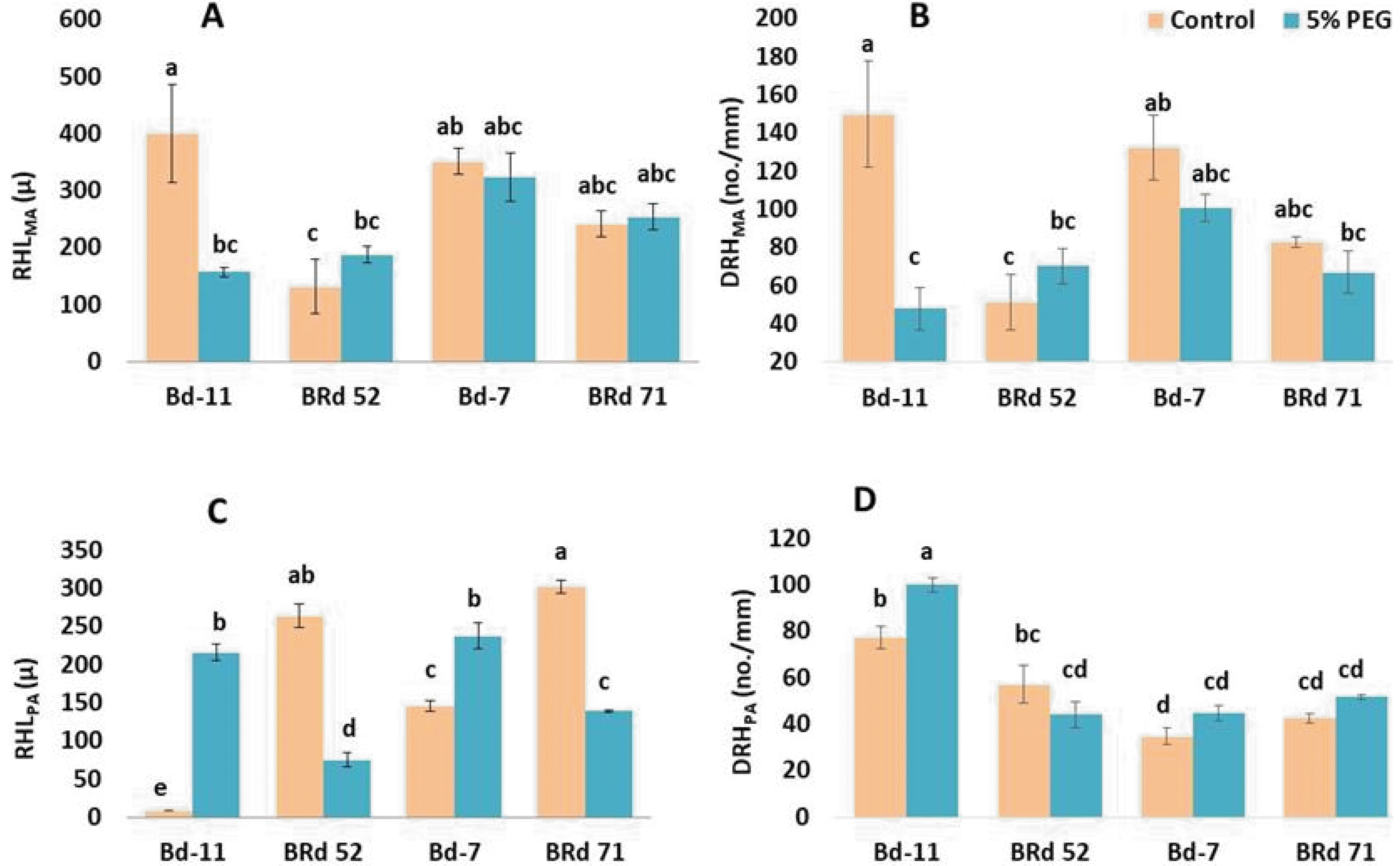
Supplementary Fig. S2B). Density of root hairs at the main axis (DRH
MA) decreased by 3.11 fold (
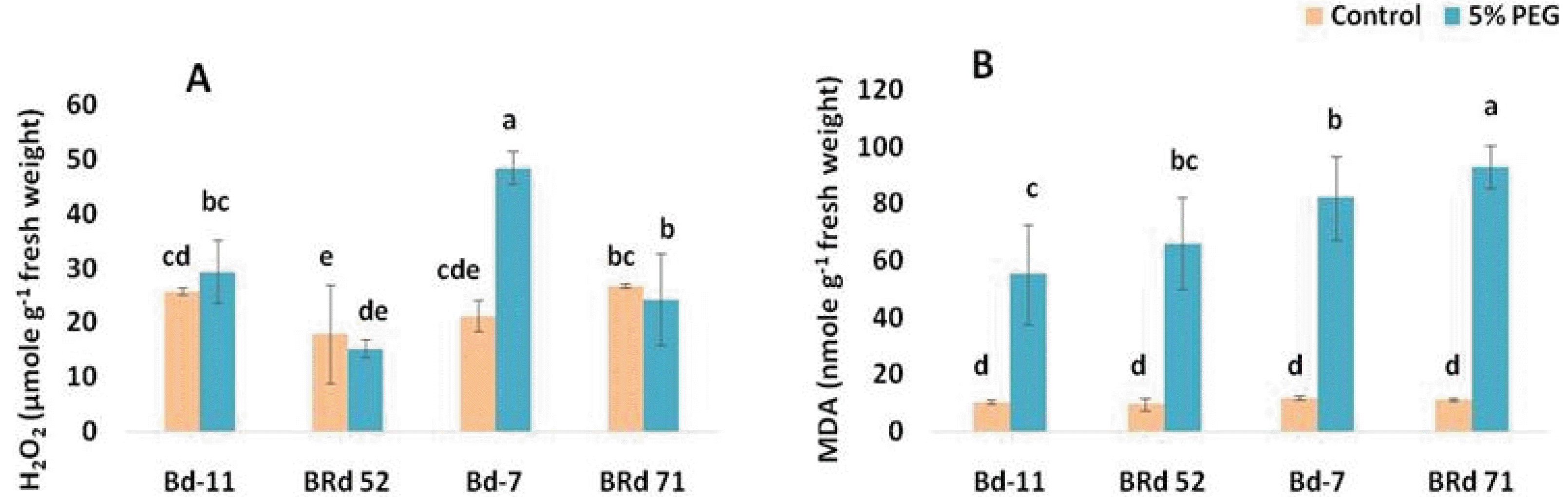
P = 0.006) compared to control condition in Binadhan-11 (2B). Hydrogen peroxide (H
2O
2) content was significantly increased by 2.27 fold in Binadhan-7 under 5% PEG treatment compared to the control treatment (3A). Malondialdehyde (MDA) content was increased by 5.3, 6.9, 7.0 and 8.4 folds, respectively, in Binadhan-11, BRRI dhan 52, Binadhan-7 and BRRI dhan 71 under 5% PEG treatment compared to the control treatment (3B).
Supplementary Table S1 revealed that a notable number of root morphological traits showed variation in four rice varieties including: main root axis length at phytomer 1, 4, 5 (MALPr1, MALPr4, MALPr5); main root axis diameter (MAD); length, diameter and number of S-type first order laterals (PALs, PADs, NPAs); length, diameter and number of second order laterals (LSA, DSA, NSA); length and density of root hairs at the main axis (RHL
MA, DRH
MA); length, diameter and density of root hairs at first order laterals (RHL
PA, RHD
PA, DRH
PA). Dry weights (SDW) of individual tillers exhibited varietal difference. The contents of hydrogen peroxide (H
2O
2) and malondialdehyde were also showed significant varietal variation (
Supplementary Table S1).
Treatment–variety interaction
A remarkable number of roots, root hair and biochemical traits were significant for treatment-variety interaction (
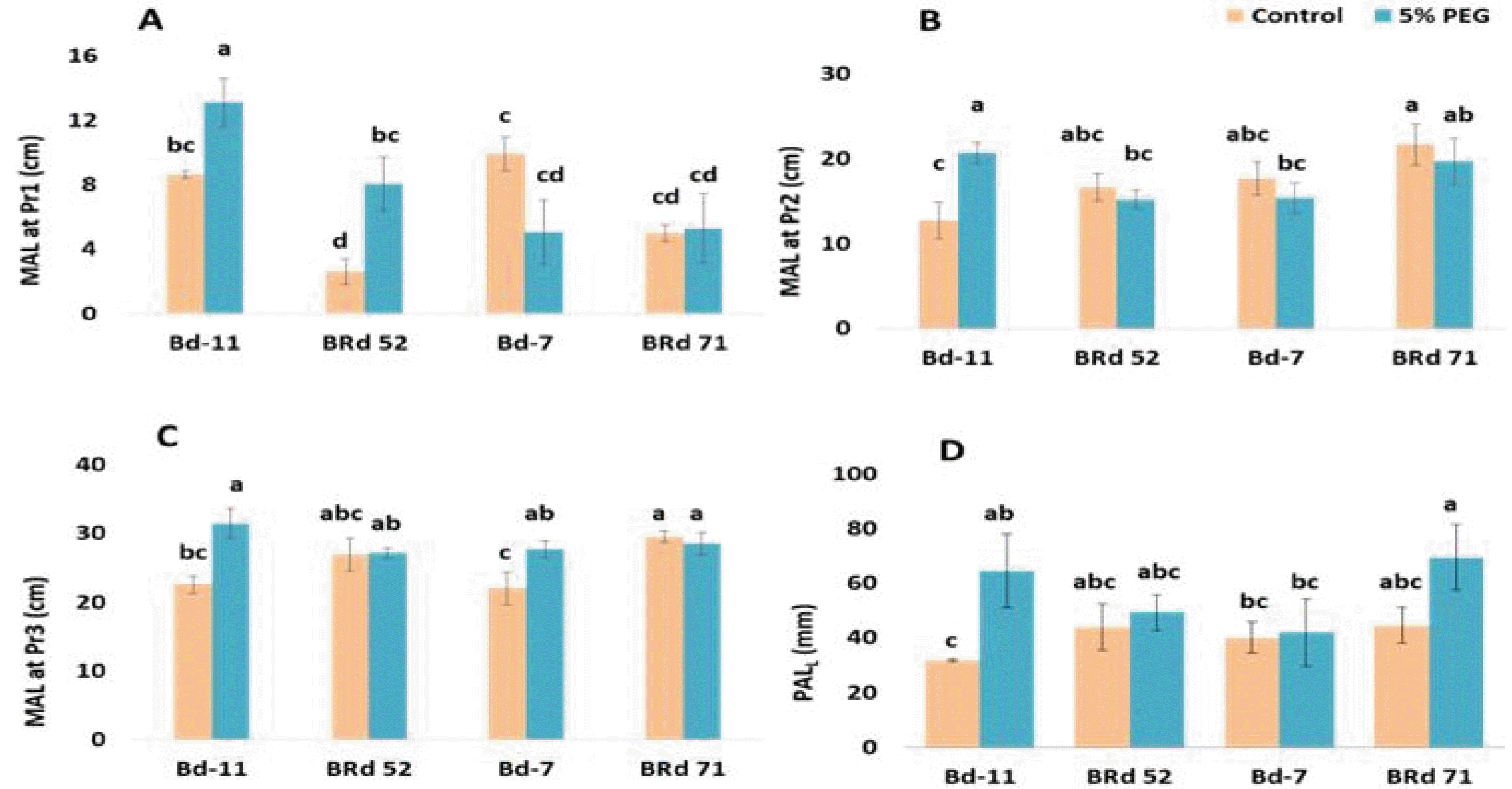
Supplementary Table S1). Main root axis length at phytomer 1 was increased 1.52 fold and 3.08 fold, respectively, in Binadhan-11 and BRRI dhan 52 under 5% PEG treatment compared to the control treatment (
P = 0.008,
Fig. 4A). Main root axis length at phytomer 2 was increased 1.62 fold in Binadhan-11 under 5% PEG treatment compared to the control treatment (
P = 0.036,
4B). Main root axis length at phytomer 3 was increased 1.39 fold and 1.26 fold in Binadhan-11 and Binadhan-7 under 5% PEG treatment compared to the control treatment (
P = 0.012,
Fig. 4C). Similarly, length of L-type first order lateral root increased 2.03 fold (
P = 0.024) in Binadhan-11 under 5% PEG treatment compared to control (
Fig. 4D). The highest total number of roots per tiller of 21 was recorded in variety BRRI dhan 52 under 5% PEG treatment which was 1.2 fold higher than the control treatment (
P = 0.016,
Supplementary Fig. S3B). Again, the total number of roots per tiller decreased 1.26 fold in BRRI dhan 71 under 5% PEG treatment compared to the control condition (
Supplementary Fig. S3B). Diameter of second order lateral root was reduced 2.16 fold in Binadhan-7 under 5% PEG treatment compared to the control condition (
P < 0.001,
Supplementary Fig. S4B). Highest length of root hairs at main axis of 0.4 mm was recorded in Binadhan-11 under control treatment which was 2.54 fold higher than 5% PEG treatment (
P = 0.010, 2A). Length of root hairs at first order lateral increased 25.6 fold and 1.63 fold for Binadhan-11 and Binadhan-7 respectively and decreased 3.5 fold and 2.17 fold for BRRI dhan 52 and BRRI dhan 71, respectively, under 5% PEG treatment compared to the control treatment (
P < 0.001, 2C). Density of root hairs at first order laterals increased 1.29 fold (
P = 0.036) under 5% PEG treatment compared to control conditions in Binadhan-11 (2D). Diameter of root hairs at first order lateral increased 1.5 fold in Binadhan-11 under 5% PEG treatment compared to the control treatment (
P = 0.016,
Supplementary Fig. S5). The highest hydrogen peroxide content of 48.6 µmole/g fresh weight was recorded in variety Binadhan-7 under 5% PEG treatment which was 2.27 fold higher than control treatment (
P = 0.029, 3A).
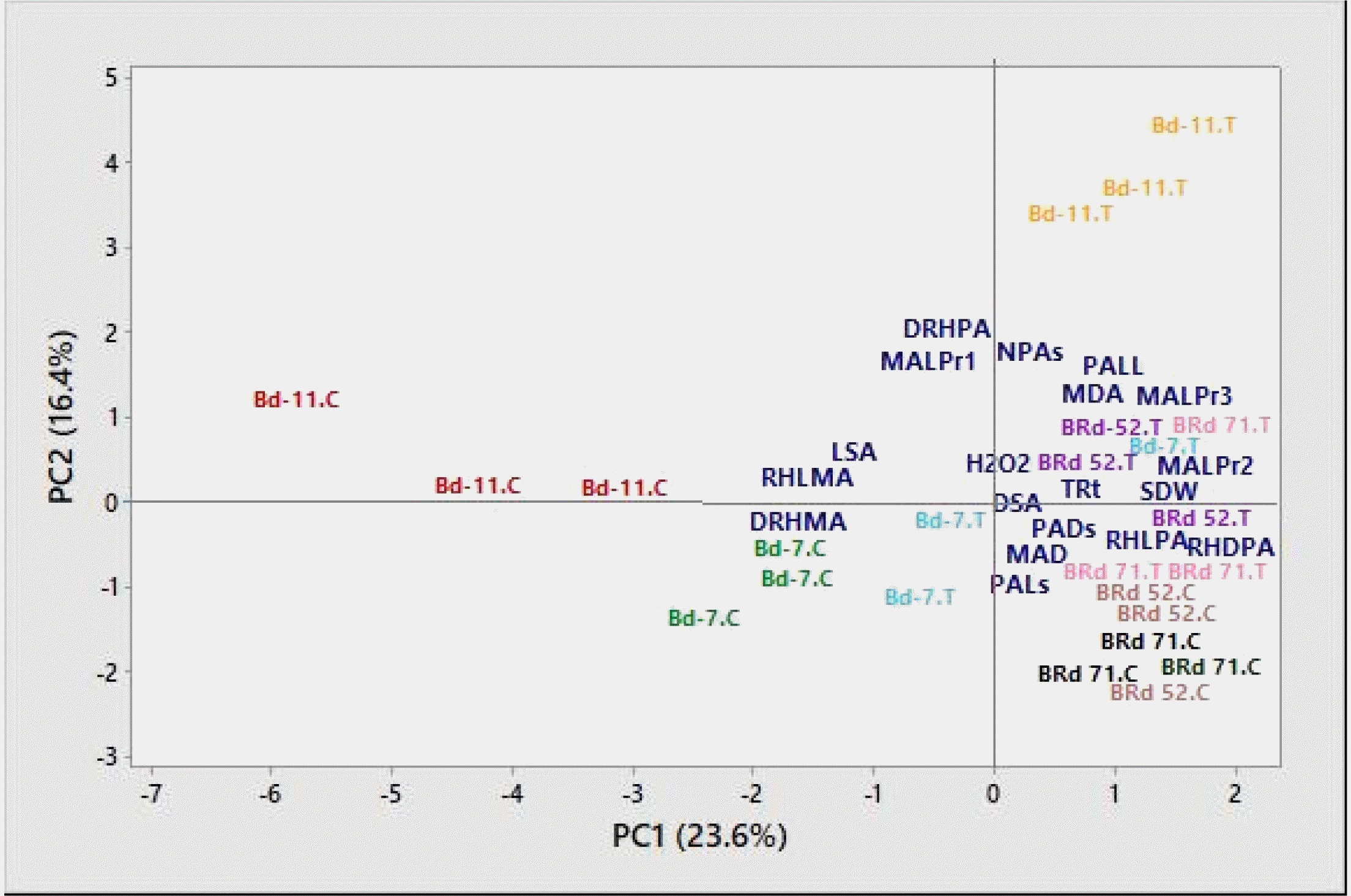
Principal component analysis (PCA) of selected root, root hair and biochemical traits revealed that principal component 1 (PC1) explained 23.6% of data variation and captured highly significant treatment (5% PEG), variety and treatment-variety interaction (
Table 2). Principal component 2 (PC2) explained 16.4% of the data variation and PC scores were significant for treatment, variety and treatment-variety interaction (
Table 2). The coefficients of PC1 and PC2 were projected in two dimensions showing the positions of the variables (
Fig. 5). From the biplot, it was found that PC1 scores of Binadhan-11 under control treatment were completely separated from those of BRRI dhan 71 under 5% PEG treatment (
Fig. 5). The variation between Binadhan-11 under control condition and BRRI dhan 71 under 5% PEG treatment were due to higher negative coefficients of density of root hair at main axis (DRH
MA), root hair length at main axis (RHL
MA) and length of second order laterals (LSA) compared to positive coefficients of diameter of root hair at first order laterals (RHD
PA), main axis length at phytomer 3 (MALPr3), length of root hair at first order laterals (RHL
PA), shoot dry weight (SDW) and main axis length at phytomer 2 (MALPr2) (
Fig. 5). Similarly, PC2 scores of Binadhan-11 under 5% PEG treatment differed from those of BRRI dhan 52 and BRRI dhan 71 under control treatment (
Fig. 5). These variations occurred due to positive coefficients of main axis length at phytomer 1-3 (MALPr1), length of L-type first order lateral root (PAL
L), density of root hair at first order laterals (DRH
PA), number of S-type first order laterals (NPAs) compared to negative coefficients of length of S-type first order laterals (PALs), main root axis diameter (MAD) and diameter of S-type first order laterals (PADs) (
Fig. 5).
DISCUSSION
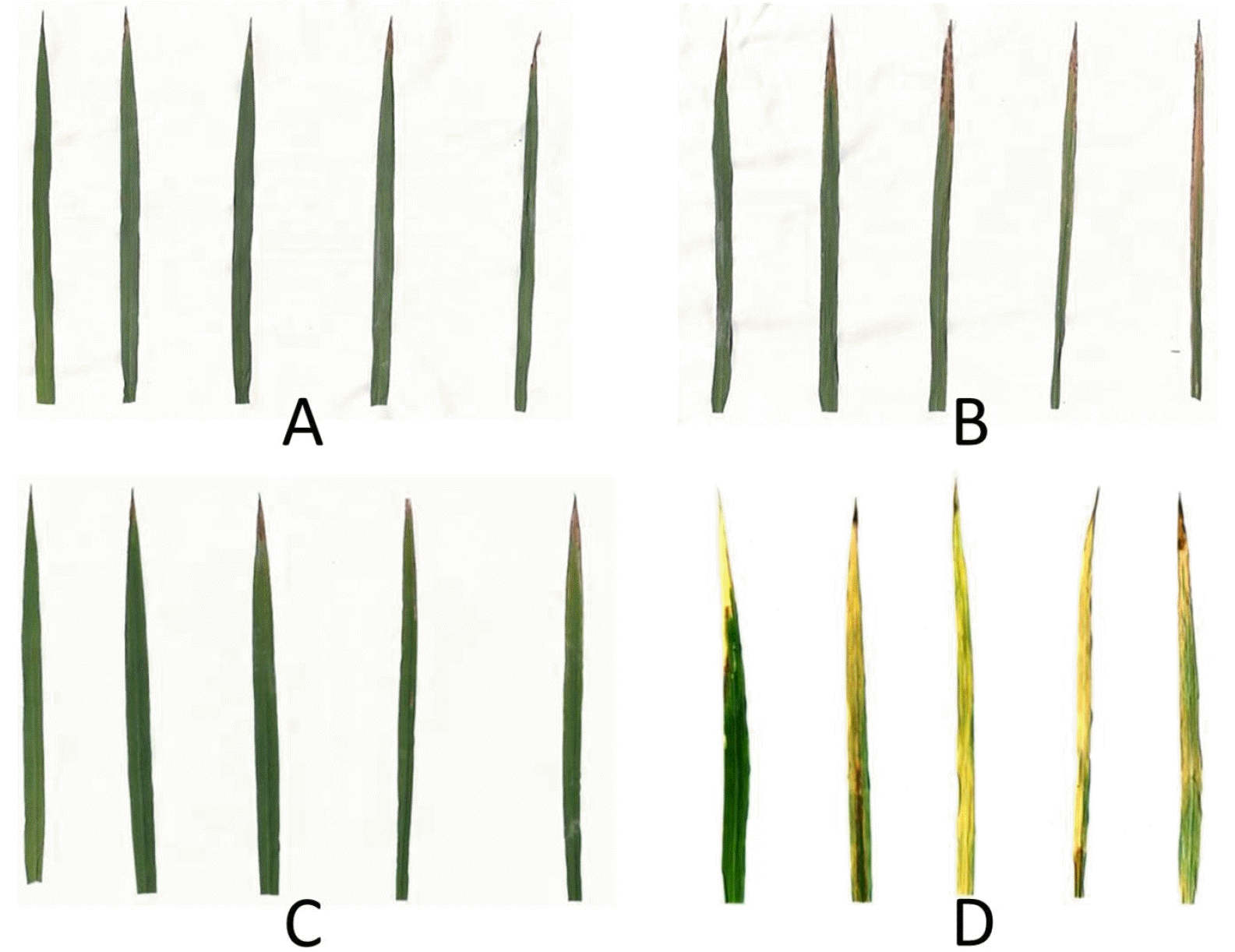
Leaves were severely injured in all four varieties under PEG treatment. PEG-treated plants showed leaf tip burning, drying and discoloring of leaves (
Fig. 6,
Supplementary Fig. S6 and S7). Degradation of chlorophyll molecules and the cell wall extensibility might be the reasons behind the discoloration and drying of leaves under PEG-induced osmotic stress (
Reddy and Vora 1986;
Zhang and Kirkham 1995;
Veslov et al. 2002). Shrinkage of leaves is often associated with decrease in cell turgor pressure under PEG treatment (
Veslov et al. 2002). A decrease in water potential under PEG-induced osmotic stress decreases the transpiration that may lead to death of leaves (
Lawlor 1970). These results indicated that osmotic stress primarily hampered the leaf growth by degrading chlorophyll content (
Munné-Bosch and Alegre 2004;
Khanna-Chopra 2012).
Significant increase of main root axis length at first three youngest root bearing phytomers, Pr1-Pr3, in Binadhan-11 under 5% PEG treatment compared to control indicated that Binadhan-11 was more responsive to PEG-induced osmotic stress for root length elongation (
Fig. 4). Non- significant changes of main root axis diameter under PEG- induced osmotic stress (
Supplementary Fig. S8C) indicated that elongation of root length in Binadhan-11 was not compensated for root diameter. Along with the increase of main root axis length, length of L-type first order lateral roots was also increased significantly in Binadhan-11 under 5% PEG treatment (
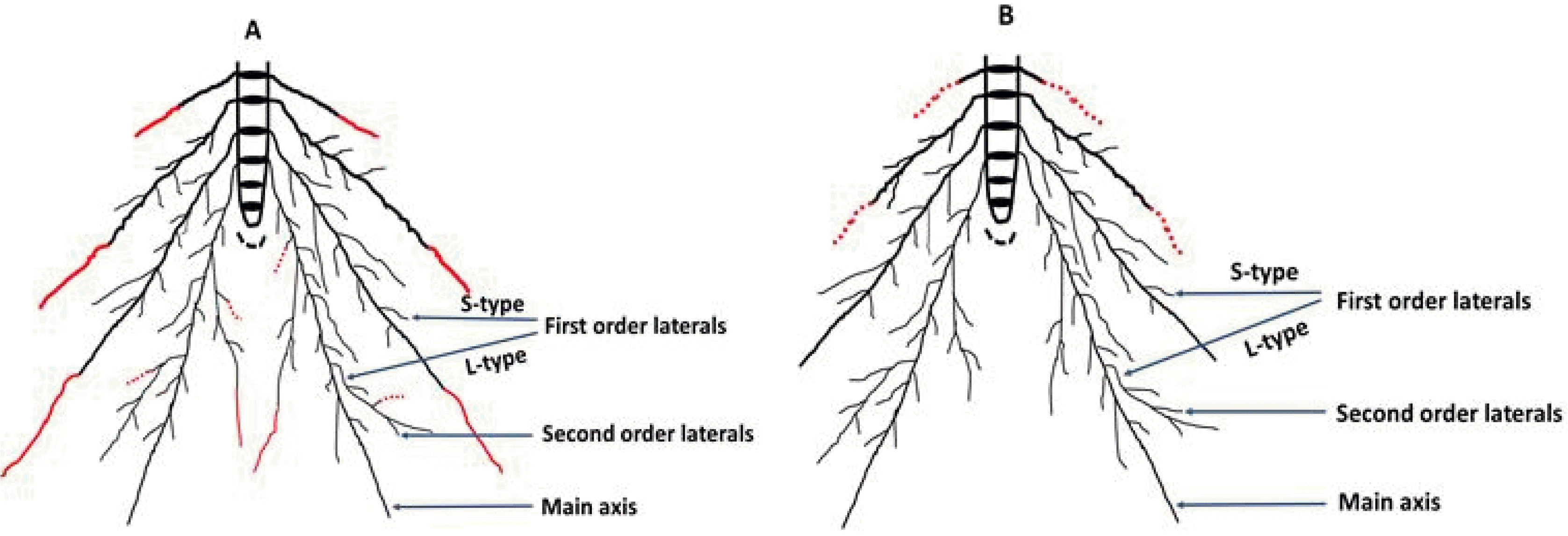
Fig. 4D). So the elongation of main axes along with L-type first order laterals in Binadhan- 11 suggested that plants of Binadhan-11 might have paid attention to elongate their root systems both vertically and horizontally to explore new soil horizons to search for a stress free environment (
Fig. 7A). Again, shorter main root axis length at Pr1-Pr3 for Binadhan-7 and BRRI dhan 71, except phytomer 3 in Binadhan-7, under 5% PEG treatment indicated the susceptibility of these varieties under PEG-induced osmotic stress (
Fig. 4). In fact, osmotic stress greatly prevents plants from the optimum water uptake from the environment, decreases the relative turgidity and causes protoplasm dehydration due to turgor loss that results in reduced cell expansion and cell division which ultimately reduced the root length (
Lockhart 1965;
Arnon 1972;
Iraki et al. 1989;
Kumari et al. 2014). This result also indicated that Binadhan-11 might be able to maintain the turgor pressure under PEG-induced osmotic stress which enabled them to resist the stress and to further elongate their root length. That means Binadhan-11 perhaps cope with the osmotic stress condition and Binadhan-7 and BRRI dhan 71 failed to cope the consequences of osmotic stress which resulted in variation in the root length (
Fig. 7B). Reduction of length of shorter roots such as length of S-type first order laterals and length of second order laterals indicated that Binadhan-11 possibly increased the longer roots in expense of the length of shorter roots by reshuffling the energy (
Supplementary Fig. S2).
Root hairs are valuable tools for nutrient acquisition under all circumstances and have the highest contribution towards the total length and surface area of an individual root (
Robin et al. 2015). In Binadhan-11, significant reduction of density of root hairs in main axis under 5% PEG treatment (
Fig. 2B) indicated that PEG-induced osmotic stress affected the root hair development at the younger main root axis of Binadhan-11. It is evident from the previous study that the root hair densities differed at a greater rate among different root axes (
Robin et al. 2016). On the other hand, density of root hair at the first order laterals was increased in Binadhan-11 (
Fig. 2D) that designated the plants’ ability to compensate for the stress condition. Under the stress condition, plant uses its root hairs plasticity to increase surface area initially to uptake water and nutrition (
Cao et al. 1999;
Ochoa et al. 2006;
Manschadi et al. 2008;
Brown et al. 2013). Thus Binadhan- 11 possibly increased potential total root surface area since the length and density of root hairs at the first order lateral roots has greater contribution to potential root surface area than those of main axes (
Robin et al. 2016).
Increase of MDA content in all four varieties under PEG-induced osmotic stress was consistent with previous studies (
Wang et al. 2009;
Baloğlu et al. 2012;
Zhang et al. 2014). In Binadhan-11, the lowest increase of MDA under 5% PEG treatment than control indicated that root growth and development of this variety was less affected by PEG- induced osmotic stress. A greater increase of MDA in Binadhan-7 and BRRI dhan 71 under 5% PEG treatment than that of the control indicated their susceptibilities in PEG-induced osmotic stress. As MDA is a product of lipid peroxidation considered as an indicator of oxidative stress (
Blokhina et al. 2003;
Ma et al. 2015). Under osmotic stress, plant membranes are subjected to changes often associated with the increasing membrane permeability and losing of membrane integrity that hampers membrane function and causes metabolic imbalances (
Blokhina et al. 2003). Under stress condition, a plant that produces a lower amounts of MDA is generally considered as more tolerant to stress (
Blokhina et al. 2003;
Wang et al. 2009;
Pandey et al. 2010;
Baloğlu et al. 2012;
Zhang et al. 2014;
Ma et al. 2015). The highest accumulation of hydrogen peroxide in Binadhan-7 (
Fig. 3A) indicated that Binadhan-7 was more vulnerable to oxidative damage due to limited scavenging mechanism. Because, H
2O
2 being a component of reactive oxygen species (ROS) is believed to be a major contributing factors to stress injuries which can directly damage important vital molecules of plants such as proteins, amino acids, or nucleic acids under stress (
Wise and Naylor 1987;
Hariyadi and Parkin 1993;
O’Kane et al. 1996;
Prasad 1996;
Desikan et al. 2003;
Mittler et al. 2004).
Significant variations in root, root hair and biochemical traits were found among four rice varieties most of which occurred due to their inter-varietal genetic potentials. Genotypic variations in root traits along with some other root hair traits suggested that those traits can be improved by selection (
Supplementary Table S1). Varietal differences of many crops based on root architecture and different root characteristics have been widely studied (
Crush et al. 2007;
Aldahadha et al. 2012;
Whalley et al. 2013;
Hebbar et al. 2014;
Ullah et al. 2014). PC2 showed that under PEG- induced osmotic stress, density of root hair at first order laterals (DRH
PA), and that of S-type first order laterals (NPAs), main axis length at phytomer 1-2 (MALPr1-2), length of L-type first order lateral root (PAL
L) traits were related to osmotic stress response of variety Binadhan-11. The proliferation of root length and density and length of root hairs in Binadhan-11 potentially may increase the surface area of root for more interaction with medium to maximize water and mineral absorption (
Haling et al. 2013;
Hu et al. 2013;
Abrahão et al. 2014;
Giehl and Wirén 2014).
In conclusion, the main purpose of this study was to understand the morpho-biochemical adaptation of morphologically diverse rice genotypes under PEG-induced osmotic stress at the vegetative stage with a special emphasis on root and root hair morphology. In this study, main root axis length at Pr1-Pr2 was increased in Binadhan-11 but decreased in Binadhan-7 and BRRI dhan 71 under 5% PEG treatment compared to the control treatment. This study also found that PEG stress significantly increased the length of L-type first order laterals in Binadhan-11 under 5% PEG treatment compared to control. This study informs that increase of root hair length and density in Binadhan-11 contributes to tolerance against osmotic stress. Consistently, the rise of two oxidative stress compounds MDA and H2O2 was significantly less in Binadhan-11 compared to Binadhan-7 under 5% PEG treatment compared to control treatment. This results suggested Binadhan-11 as an osmotic stress tolerant variety that increases root axes length as an adaptive mechanism of osmotic stress.
Supplemental Materials
ACKNOWLEDGEMENTS
This study was supported by National Science and Technology Fellowship, Ministry of Science, Peoples’ republic of Bangladesh. Bangladesh Rice Research Institute and Bangladesh Institute of Nuclear Agriculture also supported the research by supplying the resource materials of the experiment.
Fig. 1A typical root system architecture at the tiller axis of Oryza sativa. Black disks indicate individual root bearing phytomer with progressive development chronologically from top to bottom. Root hairs form on main axis and all the lateral roots.
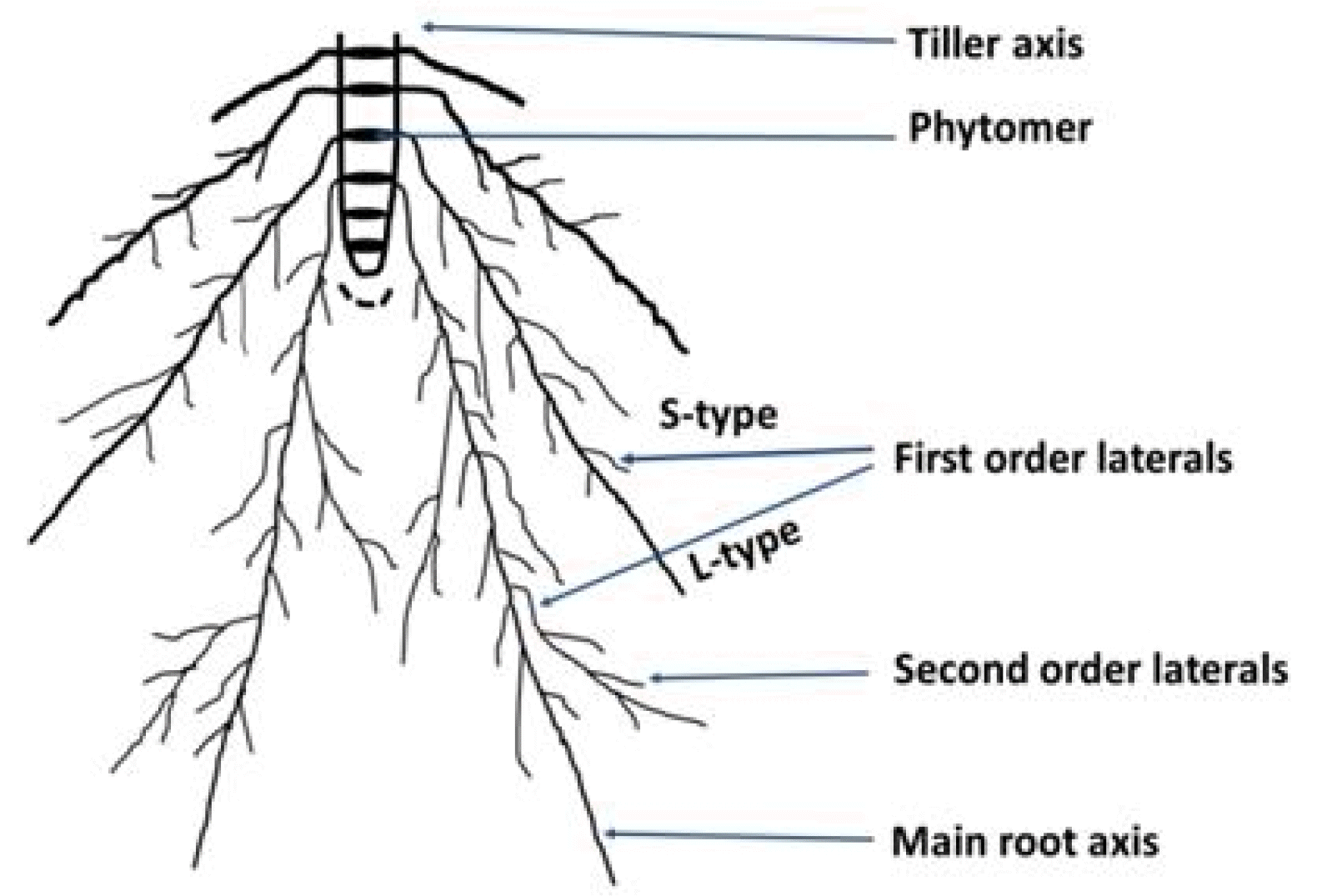
Fig. 2Treatment effect, varietal variation and variety × treatment interaction for root hair length at main axis (RHLMA) (A), root hair density at the main axis (DRHMA) (B), root hair length at the first order lateral root (RHLPA) (C), and root hair density at the first order lateral root (DRHPA) (D) in four rice varieties (Bd-11: Binadhan-11, BRd 52: BRRI dhan 52, Bd-7: Binadhan-7, BRd 71: BRRI dhan 71) under 0% (control) and 5% polyethylene glycol treatments. Vertical bars indicate standard error of mean. Different letters indicate statistically significant difference.
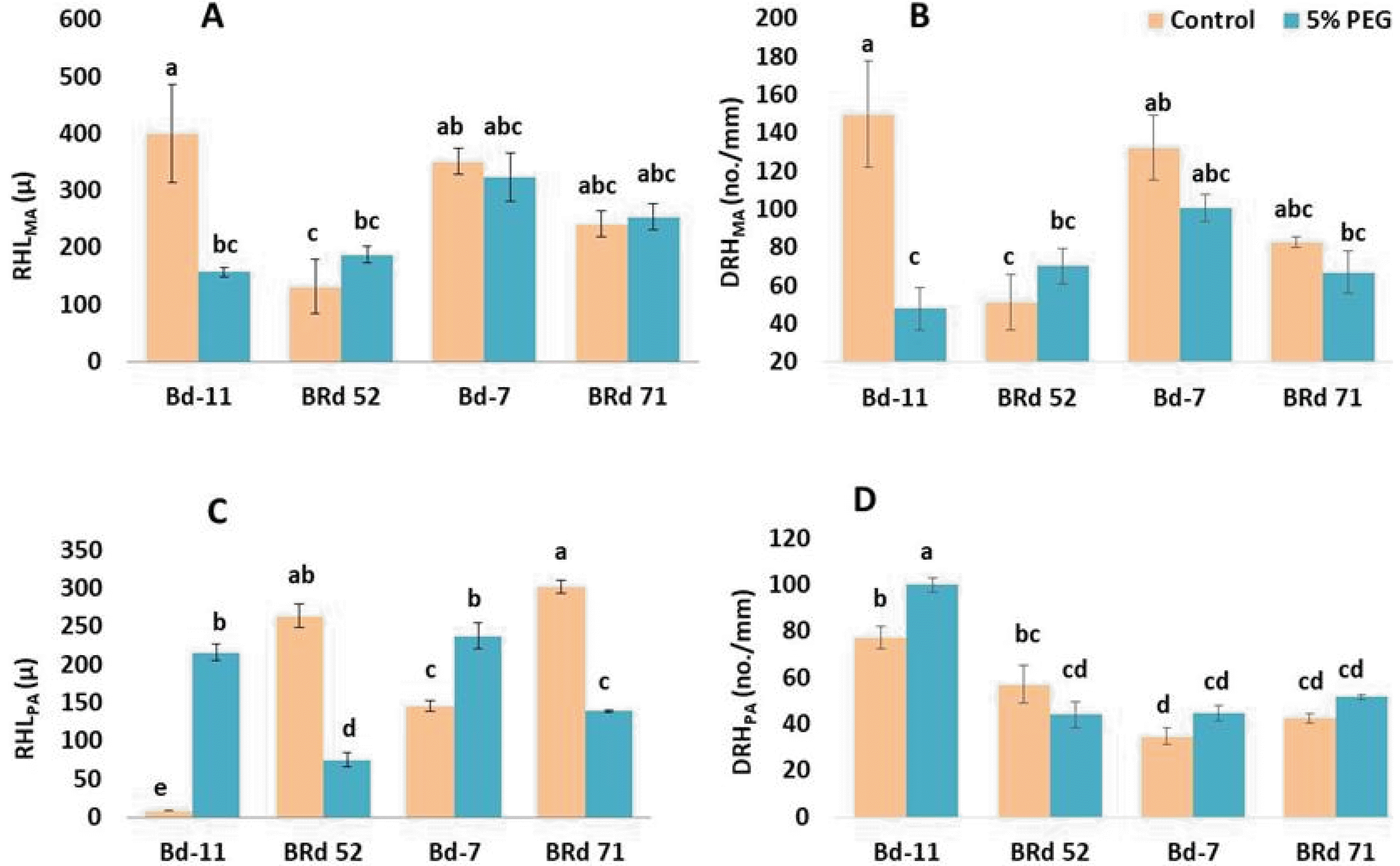
Fig. 3Treatment effect, varietal variation and treatment-variety interaction for hydrogen peroxide (H2O2) (A), and malondialdehyde (MDA) (B) in four rice varieties (Bd-11: Binadhan-11, BRd 52: BRRI dhan 52, Bd-7: Binadhan-7, BRd 71: BRRI dhan 71) under 0% (control) and 5% polyethylene glycol treatments. Vertical bars indicate standard error of mean. Different letters indicate statistically significant difference.
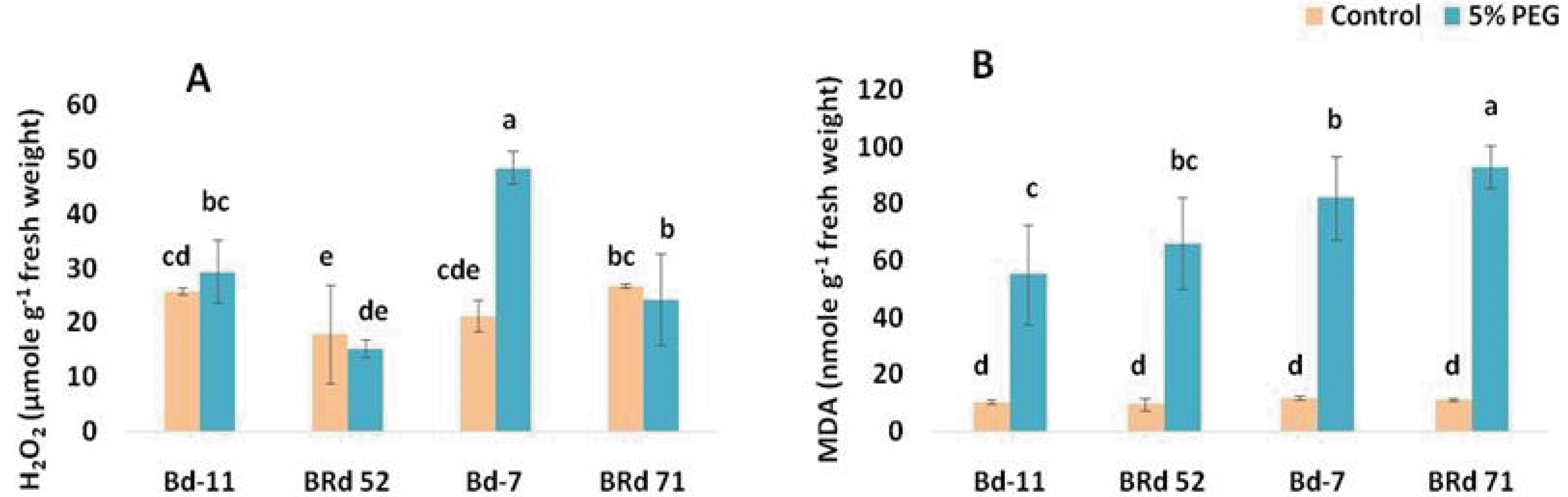
Fig. 4Treatment effect, varietal variation and variety × treatment interaction for main root axis length (MAL) at root bearing phytomer 1 (Pr1) (A), main root axis length at phytomer 2 (Pr2) (B), main root axis length at phytomer 3 (Pr3) (C), and length of L-type first order lateral root (PALL) (D) in four rice varieties (Bd-11: Binadhan-11, BRd 52: BRRI dhan 52, Bd-7: Binadhan-7, BRd 71: BRRI dhan 71) under 0% (control) and 5% polyethylene glycol treatments. Vertical bars indicate standard error of mean. Different letters indicate statistically significant difference.
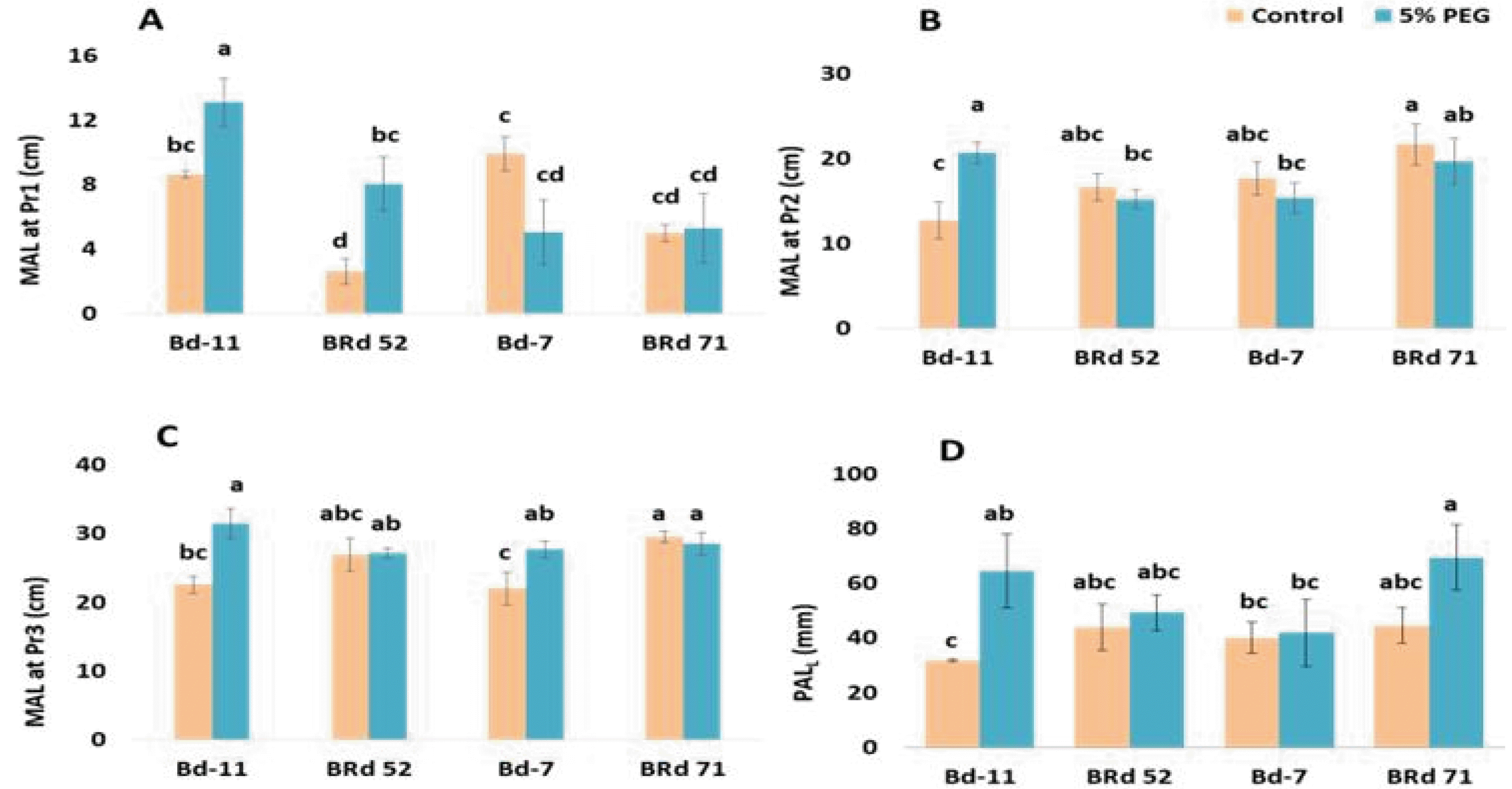
Fig. 5Biplot from Principal Component Analysis of studied root, root hair and biochemical traits of four rice varieties under 0% (control) and 5% polyethylene glycol treatments. Here, Bd: Binadhan, BRd: BRRI dhan, C: 0% PEG (control) condition, T: 5% PEG treatment, TRt: total number of roots per main tiller, MAL: main root axis length, Pr: phytomer, MAD: main root axis diameter, PALs, PADs, NPAs: length, diameter and number of S-type first order laterals, PALL: length of L-type first order laterals, LSA, DSA: length and diameter of second order laterals, RHLMA, DRHMA: length and density of root hair at main axis, RHLPA, RHDPA, DRHPA: length, diameter and density of root hair at first order laterals, SDW: shoot dry weight, H2O2: hydrogen peroxide, MDA: malondialdehyde.
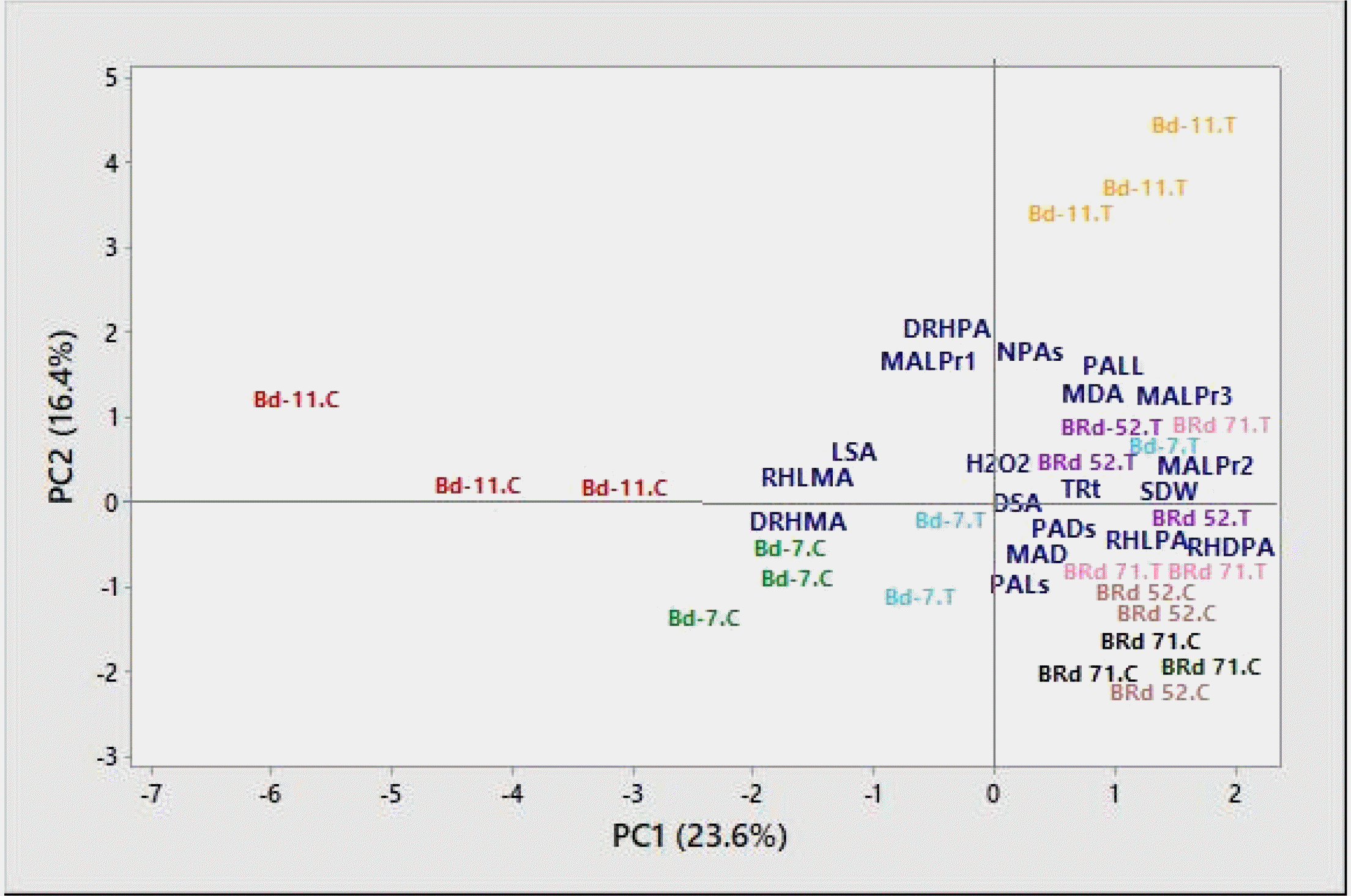
Fig. 6Leaf injury levels of top five leaves per plant (1st leaf is the youngest and 5th leaf is the oldest leaf chronologically) of Binadhan-11 under 0% PEG (control) (A), Binadhan-11 under 5% PEG treatment (B), BRRI dhan 71 under 0% PEG (control) (C), and BRRI dhan 71 under 5% PEG treatment (D).
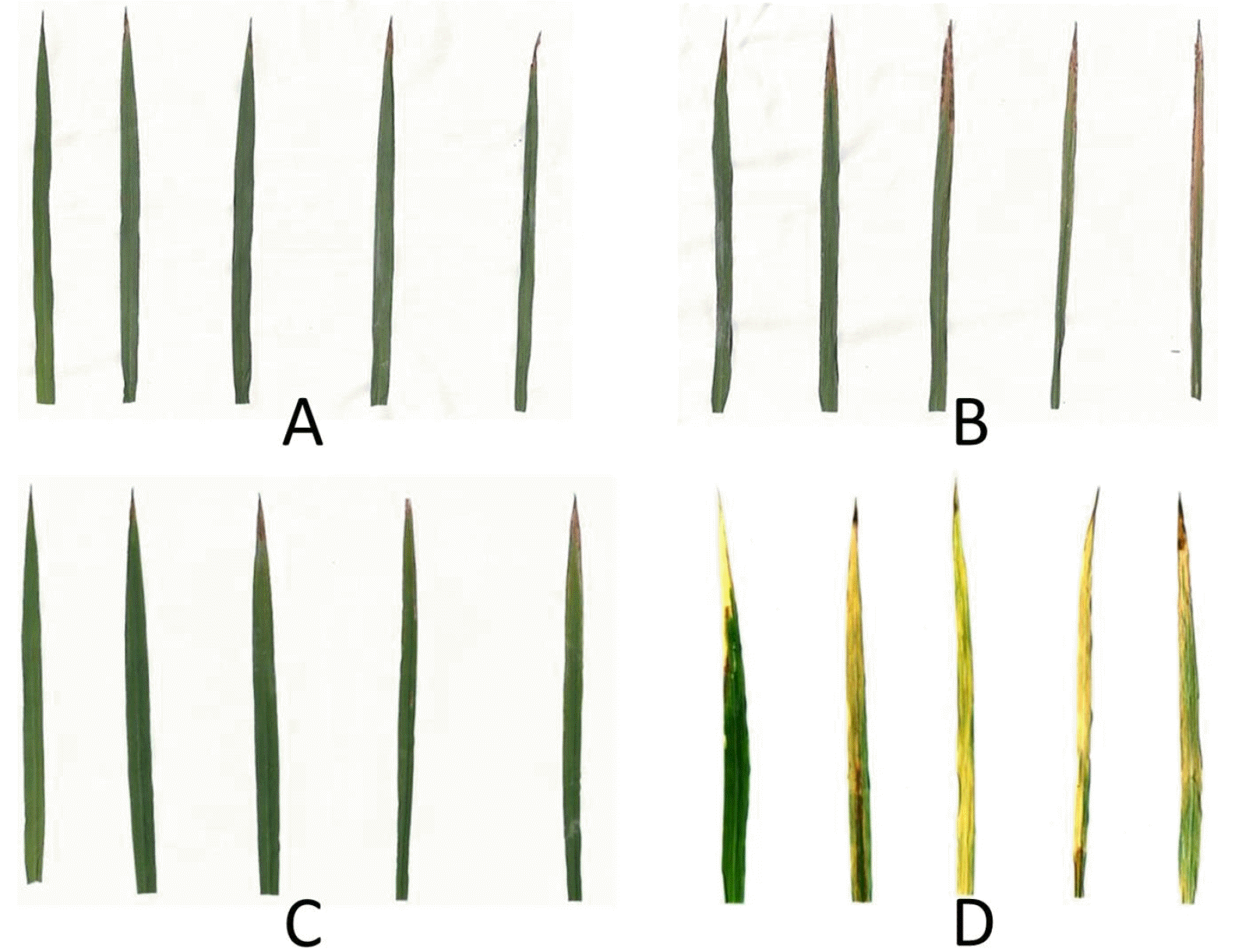
Fig. 7Root architecture of tolerant rice varieties (A), and susceptible rice varieties (B) under 5% PEG treatment. Black disk indicates individual root bearing phytomer chronologically from top to bottom with progressive development; root hairs form on main axis and all the lateral roots; red colored line indicates increased growth and red color dotted line indicates reduced growth under PEG treatment.
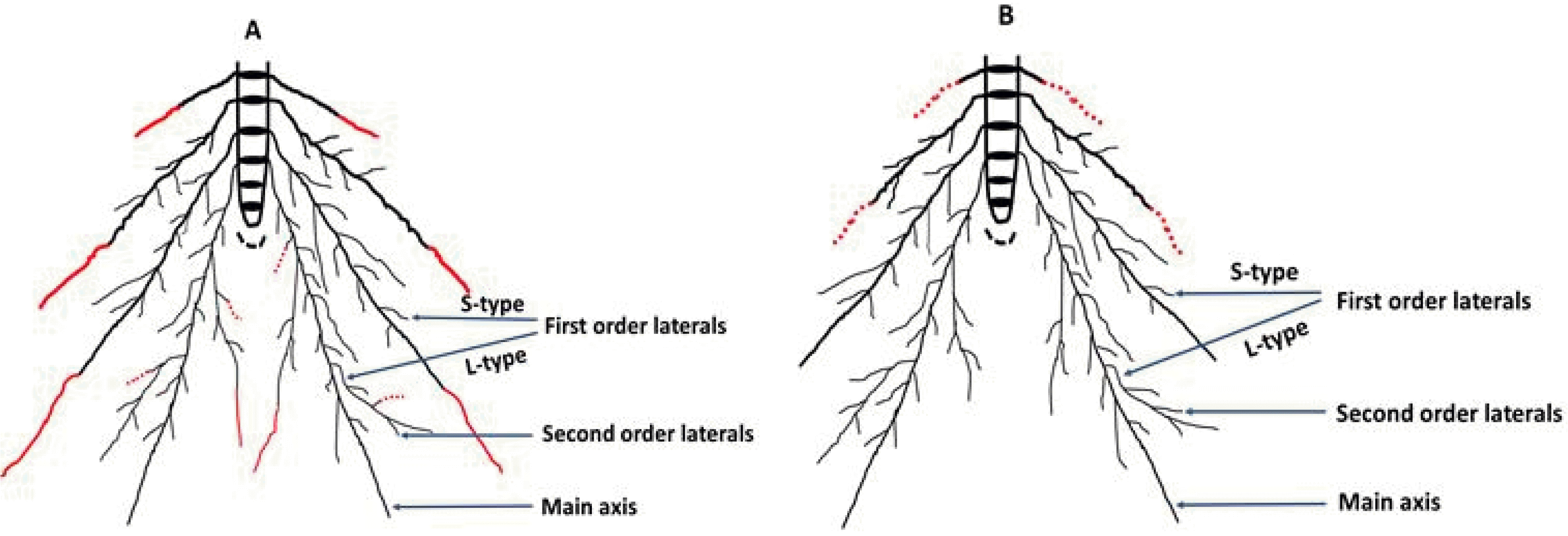
Table 1Description of four morphologically diverse rice varieties used in this study (DHCP, dhcrop.bsmrau.net).
Table 1
|
Variety |
Year of release |
Developed byz)
|
Target season |
Plant height (cm) |
Growth duration (days) |
Grain quality |
Yield (t ha−1) |
Special characteristics |
|
Binadhan-11 |
2013 |
BINA |
Aman |
90-100 |
115-120 |
Long, medium |
5.0-5.4 |
Early maturing, submergence tolerant |
|
BRRI dhan 52 |
2010 |
BRRI |
Aman |
116 |
145 |
Medium slender |
4.5-5.0 |
Submergence tolerant |
|
Binadhan-7 |
2007 |
BINA |
Aman |
95-100 |
110-120 |
Long, medium |
5.0-5.5 |
Short duration in aman |
|
BRRI dhan 71 |
2014 |
BRRI |
Aman |
107-108 |
114-117 |
Medium, stout |
5.0-6.0 |
Drought tolerant |
Table 2Principal components and their coefficients from principal component analysis.
Table 2
|
Variablesz)
|
PC1 |
PC2 |
PC3 |
PC4 |
PC5 |
|
TRt |
0.181 |
0.012 |
−0.066 |
0.048 |
−0.552 |
|
MALPr1 |
−0.101 |
0.418 |
−0.013 |
0.138 |
−0.048 |
|
MALPr2 |
0.259 |
0.017 |
−0.138 |
−0.175 |
0.046 |
|
MALPr3 |
0.321 |
0.164 |
0.040 |
−0.188 |
−0.010 |
|
MAD |
0.081 |
−0.300 |
−0.106 |
0.111 |
−0.102 |
|
PALs |
0.043 |
−0.354 |
−0.309 |
−0.216 |
0.347 |
|
PADs |
0.136 |
−0.184 |
0.458 |
−0.037 |
0.212 |
|
NPAs |
0.049 |
0.438 |
−0.192 |
0.073 |
0.171 |
|
PALL
|
0.248 |
0.251 |
0.037 |
0.070 |
0.447 |
|
LSA |
−0.252 |
−0.043 |
−0.399 |
−0.106 |
0.053 |
|
DSA |
0.045 |
−0.106 |
0.005 |
0.535 |
0.328 |
|
SDW |
0.278 |
−0.042 |
−0.083 |
0.303 |
−0.379 |
|
RHLMA
|
−0.343 |
−0.069 |
0.223 |
−0.088 |
0.086 |
|
DRHMA
|
−0.396 |
−0.102 |
0.156 |
−0.001 |
−0.043 |
|
RHLPA
|
0.295 |
−0.129 |
−0.084 |
−0.421 |
0.021 |
|
RHDPA
|
0.394 |
−0.141 |
−0.063 |
0.083 |
0.107 |
|
DRHPA
|
−0.072 |
0.442 |
−0.195 |
−0.219 |
0.031 |
|
H2O2
|
0.010 |
0.045 |
0.303 |
−0.458 |
−0.105 |
|
MDA |
0.177 |
0.173 |
0.489 |
0.056 |
0.015 |
|
% variation explained |
23.6 |
16.4 |
13 |
10.2 |
8.9 |
|
Source of variationy)
|
P values for PC scores
|
|
T |
< 0.001 |
< 0.001 |
< 0.001 |
0.053 |
0.703 |
|
V |
< 0.001 |
< 0.001 |
< 0.001 |
< 0.001 |
0.216 |
|
T × V |
< 0.001 |
0.016 |
0.007 |
< 0.001 |
0.016 |
References
- Abrahão A, Lambers H, Sawaya AC, Mazzafera P, Oliveira RS. 2014. Convergence of a specialized root trait in plants from nutrient-impoverished soils: phosphorus-acquisition strategy in a nonmycorrhizal cactus. Oecologia. 176: 345-355.
- Aldahadha AM, Warwick NW, Backhouse D. 2012. Effects of Pythium irregular and root pruning on water-use efficiency of hydroponically grown wheat under PEG-induced drought. J. Phytopathol.. 160: 397-403.
- Arnon I. 1972. Crop production in dry regions. Cambridge University Press. London, U.K.
- Baloğlu MC, Kavas M, Aydin G, Öktem HA, Yücel AM. 2012. Antioxidative and physiological responses of two sunflower (Helianthus annuus) cultivars under PEG-mediated drought stress. Turk. J. Bot.. 36: 707-714.
- Blokhina O, Virolainen E, Fagerstedt KV. 2003. Antioxidants, oxidative damage and oxygen deprivation stress. Ann. Bot.. 91: 179-194.
- Brown LK, George TS, Dupuy LX, White PJ. 2013. A conceptual model of root hair ideotypes for future agricultural environments: what combination of traits should be targeted to cope with limited P availability? Ann. Bot.. 112: 317-330.
- Cao XF, Linstead P, Berger F, Kieber J, Dolan L. 1999. Differential ethylene sensitivity of epidermal cells is involved in the establishment of cell pattern in the Arabidopsis root. Physiol. Plant.. 106: 311-317.
- Crush J, Easton H, Waller J, Hume D, Faville M. 2007. Genotypic variation in patterns of root distribution, nitrate interception and response to moisture stress of a perennial ryegrass (Lolium perenne L.) mapping population. Grass Forage Sci.. 62: 265-273.
- Deak KI, Malamy J. 2005. Osmotic regulation of root system architecture. Plant J.. 43: 17-28.
- Desikan R, Hancock JT, Neill SJ. Hirt H., Shinozaki K., 2003. Oxidative stress signaling. editors. Plant responses to abiotic stress: topic in current genetics. Springer-Verlag. New York, U.S.A.: pp. 121-148.
- Giehl RF, von Wirén. 2014. Root nutrient foraging. Plant Physiol.. 166: 509-517.
- Haling RE, Brown LK, Bengough AG, Young IM, Hallett PD, White PJ, et al. 2013. Root hairs improve root penetration, root-soil contact, and phosphorus acquisition in soils of different strength. J. Exp. Bot.. 64: 3711-3721.
- Hariyadi P, Parkin KL. 1993. Chilling-induced oxidative stress in cucumber (Cucumis sativus L. cv. Calypso) seedlings. J. Plant Physiol.. 141: 733-738.
- Heath RL, Packer L. 1968. Photoperoxidation in isolated chloroplasts: I. Kinetics and stoichiometry of fatty acid peroxidation. Arch. Biochem. Biophys.. 125: 189-198.
- Hebbar KB, Rane J, Ramana S, Panwar NR, Ajay S, Rao AS, et al. 2014. Natural variation in the regulation of leaf senescence and relation to N and root traits in wheat. Plant Soil. 378: 99-112.
- Henry A, Gowda VRP, Torres RO, McNally KL, Serraj R. 2011. Variation in root system architecture and drought response in rice (Oryza sativa): phenotyping of the Oryza SNP panel in rainfed lowland fields. Field Crops Res.. 120: 205-214.
- Hoagland DR, Arnon DI. 1950. The water-culture method for growing plants without soil. Circular. 2nd ed. California Agricultural Experiment Station. pp. 347.
- Hu B, Henry A, Brown KM, Lynch JP. 2013. Root cortical aerenchyma inhibits radial nutrient transport in maize (Zea mays). Ann. Bot.. 113: 181-189.
- IRRI (International Rice Research Institute).1980. Standard evaluation system for rice. 2nd edition. International Rice Research Institute. Los Bafios, The Philippines: pp. 44.
- Iraki NM, Bressan RA, Hasegawa PM, Carpita NC. 1989. Alteration of the physical and chemical structure of the primary cell wall of growth-limited plant cells adapted to osmotic stress. Plant Physiol.. 91: 39-47.
- Khanna-Chopra R. 2012. Leaf senescence and abiotic stresses share reactive oxygen species-mediated chloroplast degradation. Protoplasma. 249: 469-481.
- Kumari A, Sairam RK, Singh SK, Krishna GK. 2014. Early growth response: an indicator of subsequent growth and yield of wheat genotypes grown under simulated water stress condition. Indian J. Plant Physiol.. 19: 94-100.
- Lawlor DW. 1970. Absorption of polyethylene glycols by plants and their effects on plant growth. New Phytol.. 69: 501-513.
- Lockhart JA. 1965. An analysis of irreversible plant cell elongation. J. Theor. Biol.. 8: 264-276.
- Ma J, Du G, Li X, Zhang C, Guo J. 2015. A major locus controlling malondialdehyde content under water stress is associated with Fusarium crown rot resistance in wheat. Mol. Genet. Genomics. 290: 1955-1962.
- Manschadi AM, Hammer GL, Christopher JT, de Voil. 2008. Genotypic variation in seedling root architectural traits and implications for drought adaptation in wheat (Triticum aestivum L.). Plant Soil. 303: 115-129.
- Mittler R, Vanderauwera S, Gollery M, Van Breusegem. 2004. Reactive oxygen gene network of plants. Trends Plant Sci.. 9: 490-498.
- Munné-Bosch S, Alegre L. 2004. Die and let live: Leaf senescence contributes to plant survival under drought stress. Funct. Plant Biol.. 31: 203-216.
- Nemoto K, Morita S, Baba T. 1995. Shoot and root development in rice related to the phyllochron. Crop Sci.. 35: 24-29.
- O'Kane D, Gill V, Boyd P, Burdon R. 1996. Chilling, oxidative stress and antioxidant responses in Arabidopsis thaliana callus. Planta. 198: 371-377.
- Ochoa IE, Blair MW, Lynch JP. 2006. QTL analysis of adventitious root formation in common bean under contrasting phosphorus availability. Crop Sci.. 46: 1609-1621.
- Pandey HC, Baig MJ, Chandra A, Bhatt RK. 2010. Drought stress induced changes in lipid peroxidation and antioxidant system in genus Avena. J. Environ. Biol.. 31: 435-440.
- Prasad TK. 1996. Mechanisms of chilling-induced oxidative stress injury and tolerance in developing maize seedlings: changes in antioxidant system, oxidation of proteins and lipids, and protease activities. Plant J.. 10: 1017-1026.
- Reddy MP, Vora AB. 1986. Changes in pigment composition, Hill reaction activity and saccharides metabolism in Bajra (Pennisetum typhoides S & H) leaves under NaCl salinity. Photosynthetica. 20: 50-55.
- Robin AHK, Uddin MJ, Afrin S, Paul PR. 2014. Genotypic variations in root traits of wheat varieties at phytomer level. J. Bangladesh Agril. Univ.. 12: 45-54.
- Robin AHK, Uddin MJ, Bayazid KN. 2015. Polyethylene glycol (PEG) treated hydroponic culture reduces length and diameter of root hairs of wheat varieties. Agronomy. 5: 506-518.
- Robin AHK, Matthew C, Uddin MJ, Bayazid KN. 2016. Salinity-induced reduction in root surface area and changes in major root and shoot traits at the phytomer level in wheat. J. Exp. Bot.. 67: 3719-3729.
- Schiefelbein JW. 2000. Constructing a plant cell: The genetic control of root hair development. Plant Physiol.. 124: 1525-1531.
- Ullah I, Akhtar N, Mehmood N, Shah IA, Noor M. 2014. Effect of mannitol induced drought stress on seedling traits and protein profile of two wheat cultivars. J. Anim. Plant Sci.. 24: 1246-1251.
- Velikova V, Yordancv I, Edreva A. 2000. Oxidative stress and some antioxidant systems in acid rain-treated bean plants: protective role of exogenous polyamines. Plant Sci.. 151: 59-66.
- Veselov DS, Mustafina AR, Sabirjanova IB, Akhiyarova GR, Dedov AV, Veselov SU, et al. 2002. Effect of PEG-treatment on the leaf growth response and auxin content in shoots of wheat seedlings. Plant Growth Regul.. 38: 191-194.
- Wang WB, Kim YH, Lee HS, Kim KY, Deng XP, Kwak SS. 2009. Analysis of antioxidant enzyme activity during germination of alfalfa under salt and drought stresses. Plant Physiol. Biochem.. 47: 570-577.
- Whalley WR, Dodd IC, Watts CW, Webster CP, Phillips AL, Andralojc J, et al. 2013. Genotypic variation in the ability of wheat roots to penetrate wax layers. Plant Soil. 364: 171-179.
- Wise RR, Naylor AW. 1987. Chilling-enhanced peroxidation: the peroxidative destruction of lipids during chilling injury to photosynthesis and ultrastructure. Plant Physiol.. 83: 272-277.
- Yamauchi A, Pardales JR Jr, Kono Y. Ito O., Johansen C., , 1996. Root system structure and its relation to stress tolerance. editors. Roots and nitrogen in cropping systems of the semi-arid tropics. JIRCAS Publication. Japan: pp. 211-233.
- Yildiztugay E, Ozfidan-Konakci C, Kucukoduk M. 2014. Exogenous nitric oxide (as sodium nitroprusside) ameliorates polyethylene glycol-induced osmotic stress in hydroponically grown maize roots. J. Plant Growth Regul.. 33: 683-696.
- Zhang J, Kirkham MB. 1995. Water relations of water stressed split root C4 and C3 plants. Am. J. Bot.. 82: 1220-1229.
- Zhang L, Peng J, Chen TT, Zhao XH, Zhang SP, Liu SD, et al. 2014. Effect of drought stress on lipid peroxidation and proline content in cotton roots. J. Anim. Plant Sci.. 24: 1729-1736.
- Zhu JK, Hasegawa PM, Bressan RA, Bohnert HJ. 1997. Molecular aspects of osmotic stress in plants. Crit. Rev. Plant Sci.. 16: 253-277.