Abstract
This study was conducted to evaluate the genetic variation for 75 accessions of common millet collected from Korea, Japan, and China. Genetic diversity analysis was performed on 75 accessions from Korea, Japan, and China using 9 SSR primers. A total of 30 alleles was identified with an average of 3.33 alleles per locus. The GD values measured in these groups ranged from 0.127 to 0.377 with an average of 0.266. The PIC values ranged from 0.124-0.347 with an average of 0.245. The Chinese common millet accessions showed higher genetic diversity than the Korean and Japanese accessions. From the analysis of population structure using the software program STRUCTURE 2.2, the 75 common millet accessions divided into two groups because the highest value of ΔK values was revealed for K = 2. Group I included 40 Korean accessions, and Group II included 14 Korean accessions, 12 Japanese accessions, and 9 Chinese accessions. The UPGMA phylogenetic tree revealed that the 75 common millet accessions were clustered into three major groups. The clustering patterns did not permit any clear distinction of the accessions of common millet collected in East Asia. The results of genetic diversity, genetic relationships, and population structure in the 75 common millet accessions from Korea, Japan, and China identified in this study will provide useful information for the development of common millet breeding lines and breeding programs and also genetic resource conservation strategies in Korea.
-
Key words: Common millet, Panicum miliaceum L., SSR Marker, Gene diversity, Population structure
INTRODUCTION
Panicum miliaceum L., which is known as common millet, belongs to the Graminacea family, and it is a small annual cereal grown for food, feed, forage, and fuel (
Rachie 1975;
Kothari et al. 2005;
Habiyaremye et al. 2017). Common millet is an ancient crop that has been cultivated for over 7000 years (
Wang et al. 2005). It is considered to be an economically important crop and is cultivated mainly in East Asia, central Europe, Russia, India, and Northern America (
Martin et al. 1976;
Baltensperger 1996). This crop is mainly used as a functional food owing to its high protein content, and it is also considered as a health food (
Geervani and Eggum 1989;
Kalinova and Moudry 2006;
Saleh et al. 2013). In the United States and Europe, common millet grains are used as feed for bird and livestock, while in other countries they are used for human consumption (
Kalinova and Moudry 2006). Recently, it has been used in the food industries of America and Europe as a gluten-free food, and it has a mild flavor (
Wang et al. 2016). In addition, this crop has received considerable attention from the food industry because it requires relatively little water and nutrients for growth and can be cultivated at various altitudes (
Vetriventhana and Upadhyaya 2018). Moreover, previous studies on this plant reported on its anti-cancer and anti-diabetic properties and its ability to prevent coronary heart disease and liver diseases (
Zhang et al. 2014;
Ramadoss and Sivalingam 2017;
Shen et al. 2018).
Characterizing morphological characteristics is very important when assessing the botanical value of plant species and classifying them taxonomically. In crop species, morphological traits are also useful tools for analyzing the geographical variation of genetic resources collected from crops (
Furman et al. 1997;
Borner et al. 2005). However, morphological traits have disadvantages because their characterization is time-consuming and changes occur easily owing to environmental effects and a low level of polymorphism, low heritability, and lower potential to measure relatedness and genetic similarity (
Rao and Hodgkin 2002;
Babic et al. 2016). To overcome this problem,
Palmer et al. (1988) proposed a molecular marker system to reduce the effect of environment on the results, and this has the advantage of being able to measure more variations than using morphological traits. Recently, various molecular marker systems have been used to reveal polymorphisms and provide useful information for assessing genetic diversity, genetic relationships, and population structure in many crops (
Lee and Ohnishi 2003;
Xia et al. 2005;
Lee and Kim 2007;
Park et al. 2015;
Sa et al. 2015,
2019). There are many types of molecular markers available, including RAPD (random amplified polymorphic DNA), RFLP (restriction fragment length polymorphism), AFLP (amplified fragment length polymorphism), SSR (simple sequence repeat), and SNAP (single nucleotide amplified polymorphism) (
Powell et al. 1996;
Lee and Ohnishi 2003;
Hamza et al. 2004;
Xia et al. 2005;
Lee et al. 2006;
Sa et al. 2015). Among them, SSR markers are the most reliable because they are simple, cost effective and highly polymorphic, which makes them most capable for enhancing plant breeding programs (
Williams et al. 1990;
Zietkiewicz et al. 1994;
Powell et al. 1996;
Hu et al. 2009;
Park et al. 2009;
Sa et al. 2019).
Identification of genetic variation and relationships of genetic resources that have been collected and preserved in gene banks is essential for maximizing their use and protecting them as well as for the long-term success of breeding programs. Moreover, since the rapid loss of genetic diversity of crop species because of environment changes, it is necessary to protect the characteristics of valuable phenotypes of genetic resources and existing important alleles and collect information about the genetic variation of different accessions (
Rao 2004;
Ma et al. 2009). As well as increasing our knowledge, studies on genetic diversity are also vital for improving yield, disease and pest resistance, environmental resistance, and nutritional value (
Wang et al. 2006;
Sa et al. 2010) because they are able to facilitate the genetic integration of new useful genes (
Satyavathi et al. 2006) and are important for future breeding programs (
Upadhyaya et al. 2007;
Sa et al. 2010,
2015).
Therefore, in this study we determined, using SSR markers, the genetic diversity, genetic relationships, and population structure of 75 accessions of common millet (Panicum miliaceum L.) that are preserved in the Korean RDA-Genebank and were collected from East Asia (Korea, Japan, and China).
MATERIALS AND METHODS
Plant materials and DNA extraction
For this study, a total of 75 common millet accessions of
P. miliaceum collected in Korea, Japan, and China were obtained from the Genebank of the Rural Development Administration (RDA-Genebank) of the Republic of Korea (
http://genebank.rda.go.kr). The accession numbers and location information of these materials are shown in
Table 1. Among them, 54 accessions were collected in Korea, 12 accessions were collected in Japan, and 9 accessions were collected in China. The seeds of each accession were sown in a greenhouse, and DNA was extracted from young leaves of 14-day-old seedlings using the Qiagen DNA extraction kit (Qiagen, Hilden, Germany). The purity and concentration of extracted DNA was estimated by a NanoDrop ND-1000 (NanoDrop Technologies Inc., Wilmington, DE, USA). The final concentration of each DNA sample was adjusted to 20 ng/mL.
Information on the 9 common millet SSR primer sets used in this study is shown in
Table 2. SSR amplification was performed in a total volume of 20 mL consisting of 20 ng genomic DNA, 1× PCR buffer, 0.2 mM dNTPs, 0.5 mM of forward and reverse primers, and 1 unit of
Taq polymerase (Biotools, Spain). The PCR profile consisted of initial denaturation at 95℃ for 3 minutes, followed by 36 cycles of 95℃ for 30 seconds, 55℃ for 30 seconds, and 72℃ for 1 minute 30 seconds, with a final extension step of 5 minutes at 72℃. After PCR amplification, DNA electrophoresis analysis was performed with a QIAxcel advanced system (QIAGEN Co., Hilden, Germany) according to the protocol described in the QIAxcel DNA Handbook. The samples were run on a QIAxcel advanced electrophoresis system, and sample separation was completed in 15 minutes. Gel images were obtained as the results, and quantification analysis was carried out with QIAxcel software. The results were displayed as gel images and electropherograms obtained from QIAxcel advanced system software.
DNA fragments amplified by SSR primer sets were scored as presence (1) or absence (0). Power Marker version 3.25 (
Liu and Muse 2005) was used to obtain information on the number of alleles, allele frequency, gene diversity (GD), major allele frequency (MAF), and polymorphic information content (PIC). Genetic similarities (GS) were calculated for each pair of accessions using the Dice similarity index (
Dice 1945). To clarify the genetic relationship of total accessions, the similarity matrix was then used to construct an unweighted pair group method with an arithmetic mean (UPGMA) dendrogram by the application of SAHN-Clustering in NTSYS-pc V2.1 (
Rohlf 1998). STRUCTURE 2.2 software was used to investigate the population structure for the 75 common millet accessions (
Pritchard et al. 2003). Five independent runs of K values from 1 to 10 were performed with 100,000 cycles of burn-in and run length. A statistic delta K (
Evanno et al. 2005), which is based on the rate of change in the log probability of data between K values, was calculated by STRUCTURE HARVESTER (
http://taylor0.biology.ucla.edu/struct_harvest/) based on the STRUCTURE results.
RESULTS
Genetic variation among common millet accessions of P. miliaceum from Korea, Japan, and China using SSR markers
The genetic variation for 9 SSR loci was measured with regard to the number of alleles, major allele frequency (MAF), genetic diversity (GD), and polymorphic information content (PIC) (
Table 3). A total of 9 SSR loci showed polymorphism, producing a total of 30 alleles among the 75 common millet accessions of
P. miliaceum. The number of alleles per locus ranged from 2 (F1760 and F1380) to 5 (F1065), with an average of 3.33 alleles. The MAF per locus ranged from 0.773 (F1387) to 0.933 (BM396), with an average of 0.846. The GD of each locus ranged from 0.127 (BM396) to 0.377 (F1387), with an average of 0.266. The PIC values for each locus ranged from 0.124 (BM396) to 0.347 (F1387), with an average of 0.245 (
Table 3).
To compare the geographical genetic variation of common millet accessions collected from Korea (54 accessions), Japan (12 accessions), and China (9 accessions), this study also confirmed the number of alleles, MAF, GD, and PIC among the 75 common millet accessions (
Table 3). The average number of alleles was 2.43, 2.14, and 2.63 for the common millet accessions of Korea, Japan, and China, respectively. The average MAF value was 0.913, 0.821, and 0.667 for the common millet accessions of Korea, Japan, and China, respectively. From the results for the genetic diversity index (GDI), it was shown that the average GD values were 0.159, 0.282, and 0.448 for the common millet accessions of Korea, Japan, and China, respectively, and the average PIC values were 0.148, 0.240, and 0.387 for the common millet accessions of Korea, Japan, and China, respectively (
Table 3). In SSR polymorphic analysis, we confirmed a total of 30 alleles among the 75 accessions of common millet in 9 SSR primers. Totals of 17, 15, and 21 alleles were detected in 54 Korean, 12 Japanese, and 9 Chinese accessions, respectively (
Table 3).
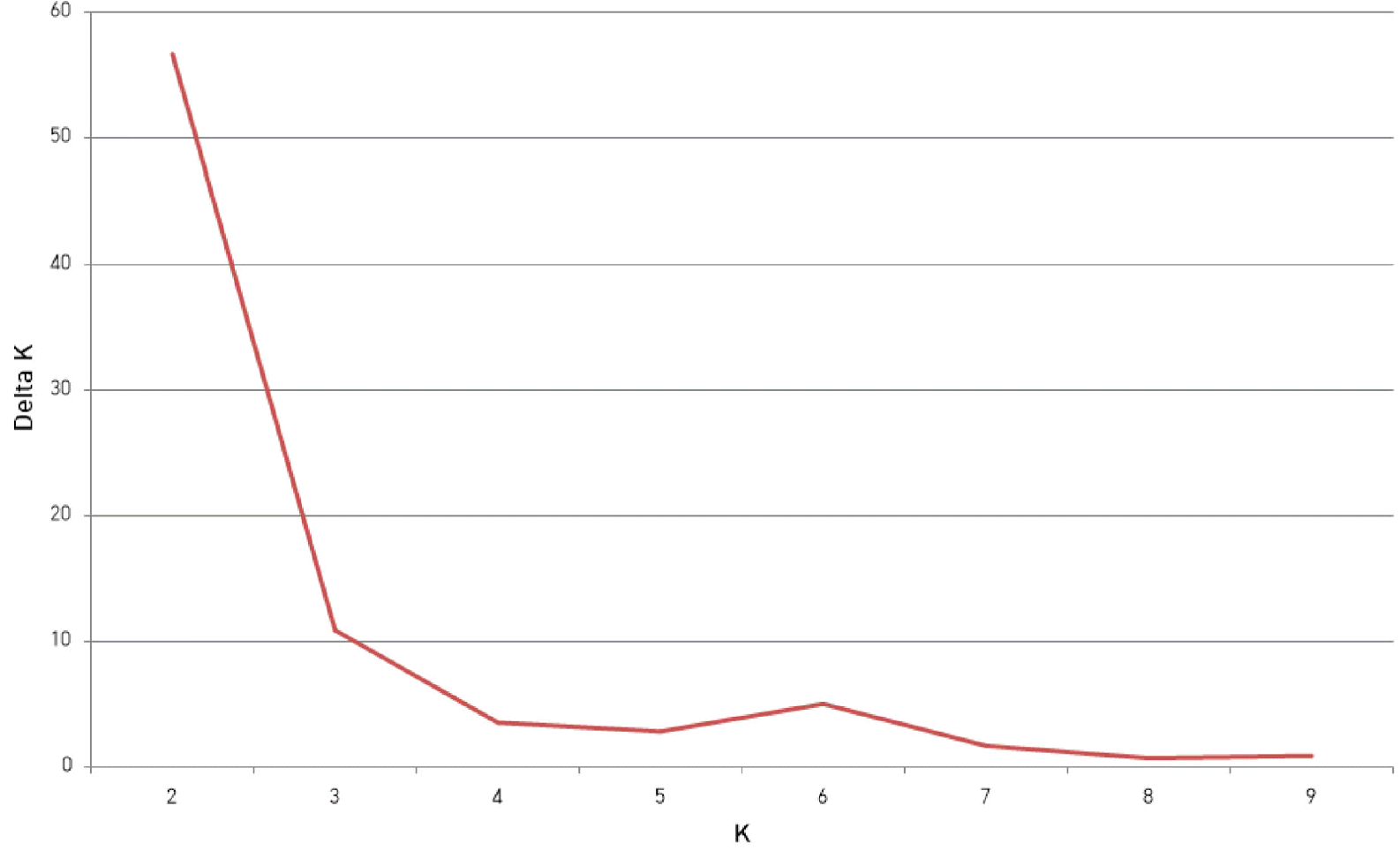
In order to understand the population structure among the 75 common millet accessions from Korea, Japan, and China, we used a model-based approach using STRUCTURE to divide each accession into its corresponding subgroups. In this study, to clearly determine the number of subgroups, we applied the ad hoc measure ΔK using the method developed by Evanno
et al. (2005) to overcome the difficulty in interpreting the real K values. As a result, the highest value of ΔK for the 75 common millet accessions was for K = 2 (
Fig. 1). Clustering bar plots with K = 2 are shown in
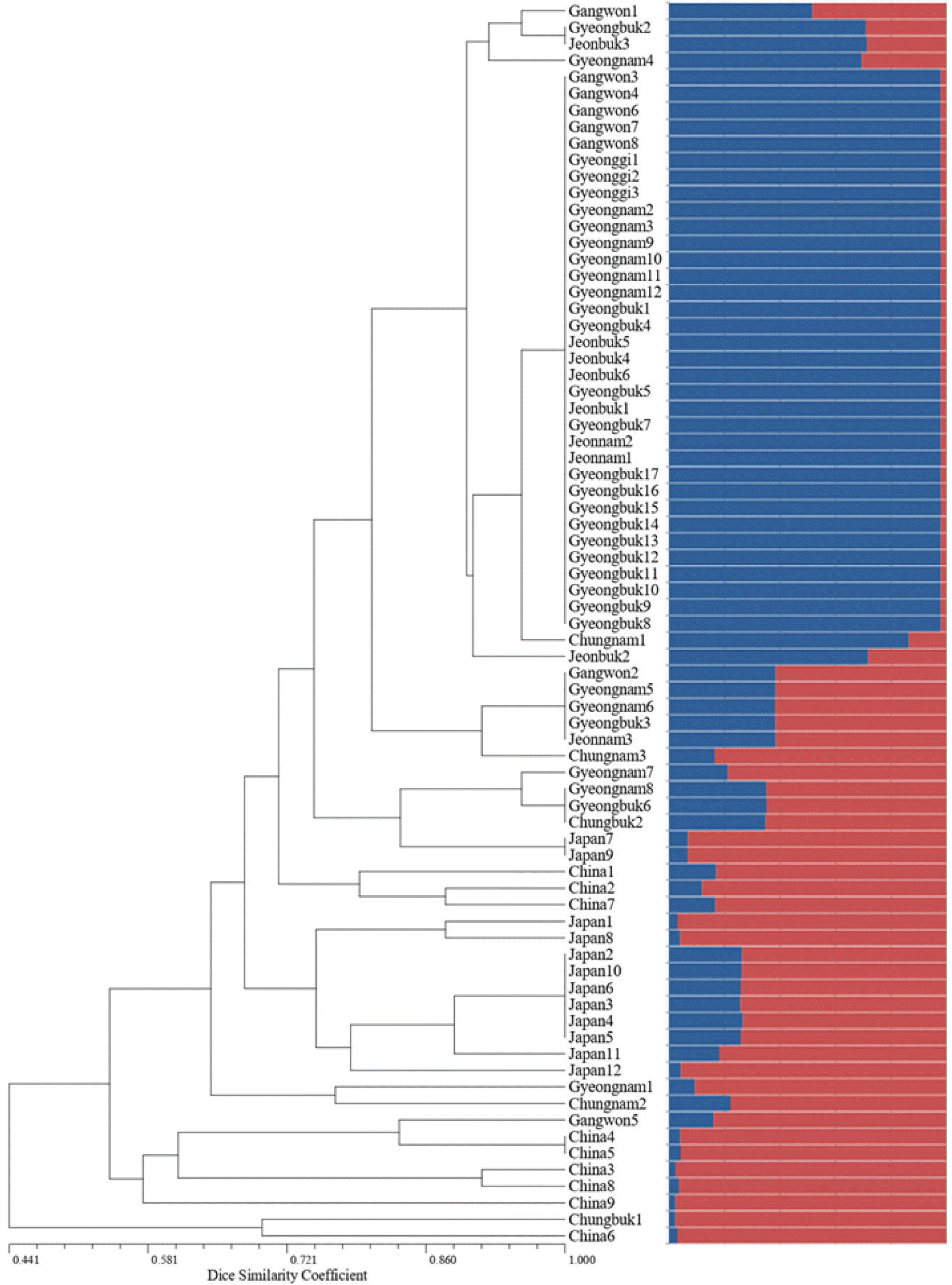
Fig. 2. At K = 2, there were no clear structures by geographic area or types among the 75 common millet accessions. In these results, Group I included 40 accessions of Korea; and Group II included 14 accessions of Korea, 12 accessions of Japan, and 9 accessions of China (
Fig. 2).
To confirm genetic relationships among the 75 common millet accessions from Korea, Japan, and China, a dendrogram was constructed using UPGMA, and it showed that all the common millet accessions were clustered into three major groups with a genetic similarity of 53.9% (
Fig. 2). Group I contained 67 common millet accessions (52 accessions of Korea, 12 accessions of Japan, and 3 accessions of China). Group II consisted of one accession of Korea and 5 accessions of China. Group III contained one accession of Korea and one of China. In addition, Group I was further subdivided into five sub-clusters with a genetic similarity of 74.9% (
Fig. 2). The first sub-cluster contained 46 accessions of Korea. The second sub-cluster contained 4 accessions of Korea and 2 accessions of Japan. The third and fourth sub-clusters contained 3 accessions of China and 4 accessions from Japan, respectively. The fifth sub-cluster contained only 2 accessions from Korea (
Fig. 2). According to our results, the clustering patterns did not allow a clear distinction of the accessions of common millet collected in East Asia.
DISCUSSION
In most countries including Korea, the collection, evaluation, conservation, and use of crop genetic resources has recently become one of the top agricultural research priorities. In particular, for efficient management and utilization of genetic resources stored in gene banks, characterization of collected genetic resources can provide very important information. In addition, identifying genetic diversity among accessions of cultivars and their geographical distribution is one of the basic approaches for confirmation of the origin of a given crop (
Lee and Ohnishi 2003;
Sa et al. 2015;
Ma et al. 2019). There is growing interest in the genetic diversity, genetic relationships, and structure of natural populations, as it is necessary to broaden the knowledge of genetic variation in crop species (
Che et al. 2008;
Sa et al. 2015). A detailed understanding of genetic relationships among genetic resources is essential for understanding factors involved in future breeding processes such as yield, quality, and resistance (including pest, disease, drought, etc.) (
Wang et al. 2006). Moreover, a thorough investigation into and research of germplasm stored in gene banks can facilitate the introgression of useful genes into the existing commercial crop genetic base (
Tara Satyavathi et al. 2006).
In consideration of the abundant genetic resources of common millet and its efficient management and utilization in gene banks, this study used molecular markers to investigate genetic diversity and genetic relationships. The use of SSR primers to detect genetic diversity, genetic relationships, and population structure between accessions of crop species is now well established. For instance, SSR markers from accessions of
Perilla crop have been used to identify polymorphism and to assess genetic diversity in
Perilla species (
Sa et al. 2013,
2015). The use of SSR molecular markers in common millet crop has not been well developed yet; therefore, in this study, we selected only 9 SSR molecular markers and used them for genetic diversity analysis, based on the previous report by
Liu et al. (2016). According to our results, a total of 30 alleles with 9 SSRs were detected segregating in the 75 common millet accessions from East Asia, which yielded an average of 3.33 alleles per locus. This value appears to be low when compared with the average number of alleles per SSR locus in other crops, such as the 7.4 detected in wheat (
Prasad et al. 2000), 6.8 in rice (
Ni et al. 2002), and 9.4 in maize (
Sa et al. 2010). These results are thought to show little genetic variation in the common millet accessions stored in the Korean RDA-Genebank. In particular, even though most material for analysis was provided from the Korean common millet accessions, the Korean accessions showed less variation than the Japanese and Chinese accessions. Also the highest variability was among the Chinese common millet accessions, even though fewer Chinese accessions were used in the analysis compared with those from Korea and Japan. This result indicates that China has the greatest amount of genetic diversity in East Asia. Also, because of the lower variation in Korea than with the Japanese and Chinese accessions, it is believed that many duplicated accessions from Korea are preserved in the gene bank. Therefore, the common millet resources stored in the Korean RDA-Genebank are considered to have little genetic variation and also to preserve duplicate resources. The results of this study are expected to provide useful information for the preservation and management of common millet genetic resources in the Korean RDA-Genebank.
Meanwhile, in this study we performed STRUCTURE analysis to understand the population structure among the 75 common millet accessions from Korea, Japan, and China. The clustering patterns obtained did not show a clear distinction between common millet accessions collected in East Asia. This result is thought to be caused by similar growth environments or human selection within regions or seed diffusion and gene flow in East Asia, as previously reported by
Cho et al. (2010). However, considering the classification at the level of sub-clusters, the overall pattern of common millet accessions in the dendrogram, except for some accessions, agreed with their geographical distribution pattern. These results indicate that the geographical diffusion of common millet in East Asia might have spread from China to Korea, and also from Korea to Japan. A similar geographical diffusion has been reported in East Asia for many crops, such as foxtail millet, buckwheat, and
Perilla (
Kawase and Sakamoto 1987;
Murai and Ohnishi 1996;
Lee and Ohnishi 2003). In the dispersal process of a given crop from the place of its domestication, genetic differentiation in adaption to various ecological conditions and agricultural practices occurs, and this process produces specific landraces of the crop (
Kawase and Sakamoto 1987).
This study demonstrated the successful application of SSR analysis in the study of the genetic diversity, genetic relationships, and population structure among accessions of common millet (
Panicum miliaceum L.) from Korea, Japan, and China that are preserved in the Korean RDA-Genebank. Recently in Korea, as interest in healthy food has increased, there has been increasing interest in growing and using common millet because of its unique nutritional value, which is superior to that of the more common cereals, wheat, rice, and oats. That is, it is considered a health food because it has a high alkali content that neutralizes acids and a high protein content (see Introduction) (
Chang 1968;
Geervani and Eggum 1989). This study demonstrates the effectiveness and usefulness of SSR analysis in studying genetic diversity and genetic relationships of common millet accessions in East Asia. Therefore, from the use of SSR molecular markets, the results of genetic diversity, genetic relationships, and population structure among 75 accessions of common millet that are preserved in the Korean RDA-Genebank provide useful information for genetic resource conservation strategies, and also the results are expected to prove helpful for common millet crop breeding programs in Korea.
ACKNOWLEDGEMENTS
This study was supported by the Cooperative Research Program for Agriculture Science & Technology Development (Project no. PJ014227032019 and PJ0142272019), Rural Development Administration, Republic of Korea, and the Basic Science Research Program through the National Research Foundation of Korea (NRF), funded by the Ministry of Education, Science, and Technology (#2016R1D1A1B01006461).
Fig. 1Magnitude of ΔK as a function of K. The peak value of ΔK was at K = 2, suggesting two genetic clusters in the 75 common millet accessions.
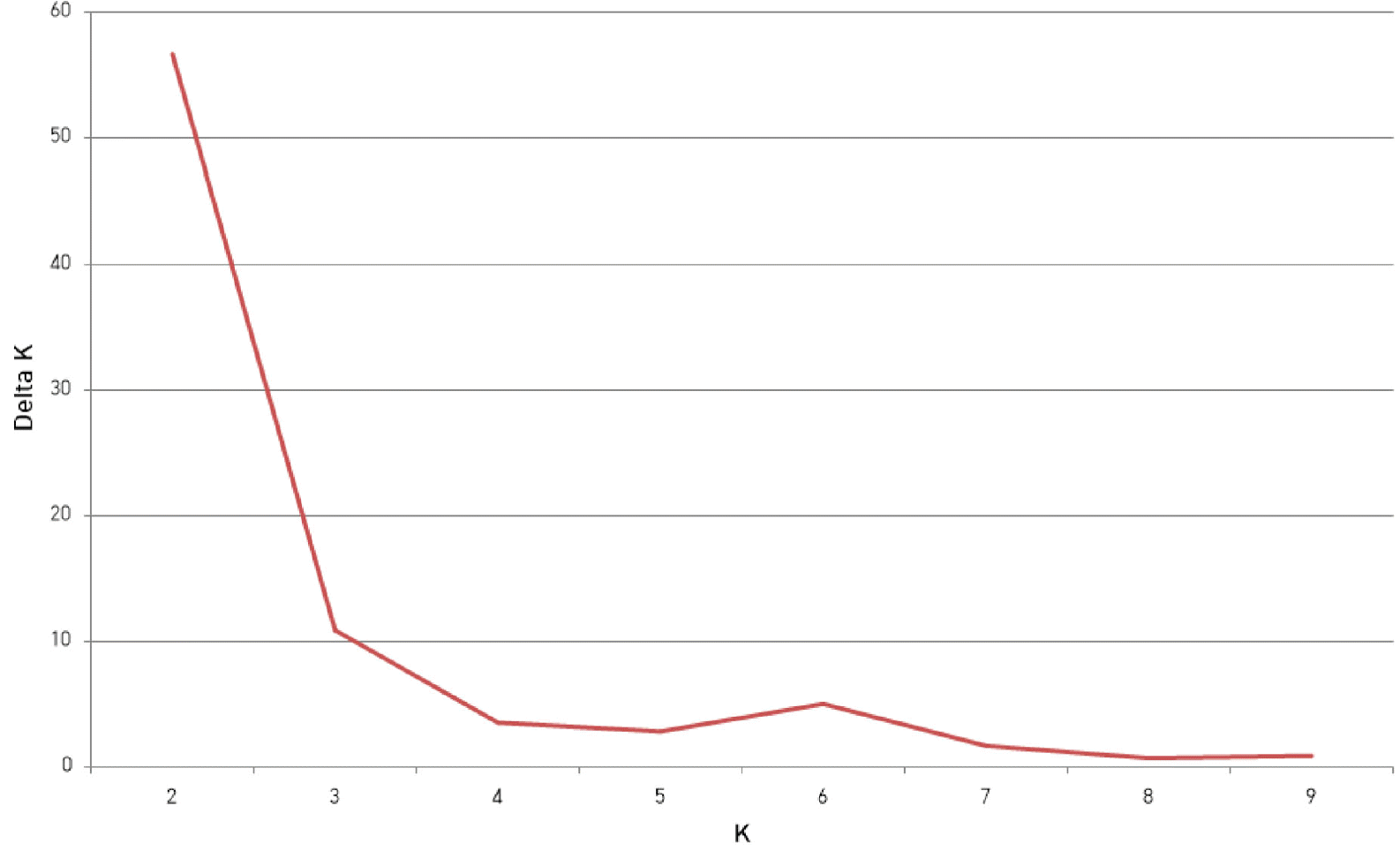
Fig. 2UPGMA dendrogram and population structure in 75 common millet accessions based on 9 SSR primer sets.
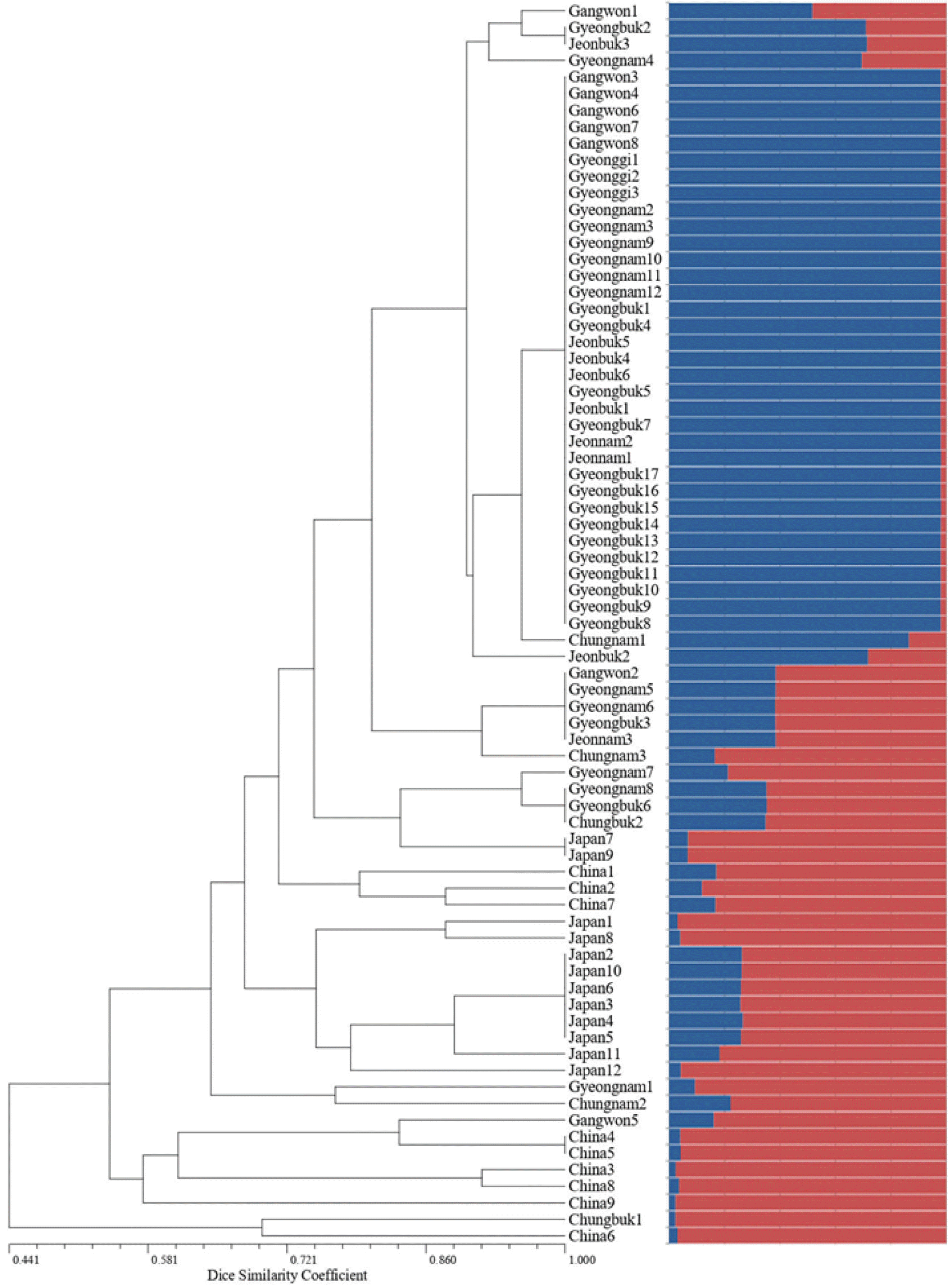
Table 1List of 75 common millet accessions of RDA-Genebank used in this study.
Table 1
|
No. |
IT No. |
Country |
Accessions name |
No. |
IT No. |
Country |
Accessions name |
|
1 |
IT 103301 |
Korea |
Gangwon1 |
41 |
IT 100287 |
Korea |
Jeonnam1 |
|
2 |
IT 185521 |
Korea |
Gangwon2 |
42 |
IT 100294 |
Korea |
Jeonnam2 |
|
3 |
IT 185524 |
Korea |
Gangwon3 |
43 |
IT 100304 |
Korea |
Jeonnam3 |
|
4 |
IT 105308 |
Korea |
Gangwon4 |
44 |
IT 100279 |
Korea |
Jeonbuk1 |
|
5 |
IT 108894 |
Korea |
Gangwon5 |
45 |
IT 100317 |
Korea |
Jeonbuk2 |
|
6 |
IT 185523 |
Korea |
Gangwon6 |
46 |
IT 108938 |
Korea |
Jeonbuk3 |
|
7 |
IT 185526 |
Korea |
Gangwon7 |
47 |
IT 108939 |
Korea |
Jeonbuk4 |
|
8 |
IT 185545 |
Korea |
Gangwon8 |
48 |
IT 113300 |
Korea |
Jeonbuk5 |
|
9 |
IT 100290 |
Korea |
Gyeonggi1 |
49 |
IT 113321 |
Korea |
Jeonbuk6 |
|
10 |
IT 100298 |
Korea |
Gyeonggi2 |
50 |
IT 100263 |
Korea |
Chungnam1 |
|
11 |
IT 103428 |
Korea |
Gyeonggi3 |
51 |
IT 100267 |
Korea |
Chungnam2 |
|
12 |
IT 100268 |
Korea |
Gyeongnam1 |
52 |
IT 100311 |
Korea |
Chungnam3 |
|
13 |
IT 100269 |
Korea |
Gyeongnam2 |
53 |
IT 100264 |
Korea |
Chungbuk1 |
|
14 |
IT 100310 |
Korea |
Gyeongnam3 |
54 |
IT 100289 |
Korea |
Chungbuk2 |
|
15 |
IT 162900 |
Korea |
Gyeongnam4 |
55 |
IT 297380 |
Japan |
Japan1 |
|
16 |
IT 162902 |
Korea |
Gyeongnam5 |
56 |
IT 297381 |
Japan |
Japan2 |
|
17 |
IT 185531 |
Korea |
Gyeongnam6 |
57 |
IT 297382 |
Japan |
Japan3 |
|
18 |
IT 100275 |
Korea |
Gyeongnam7 |
58 |
IT 297383 |
Japan |
Japan4 |
|
19 |
IT 100288 |
Korea |
Gyeongnam8 |
59 |
IT 297384 |
Japan |
Japan5 |
|
20 |
IT 103621 |
Korea |
Gyeongnam9 |
60 |
IT 297391 |
Japan |
Japan6 |
|
21 |
IT 181969 |
Korea |
Gyeongnam10 |
61 |
IT 297392 |
Japan |
Japan7 |
|
22 |
IT 185551 |
Korea |
Gyeongnam11 |
62 |
IT 297393 |
Japan |
Japan8 |
|
23 |
IT 194498 |
Korea |
Gyeongnam12 |
63 |
IT 297394 |
Japan |
Japan9 |
|
24 |
IT 100262 |
Korea |
Gyeongbuk1 |
64 |
IT 297395 |
Japan |
Japan10 |
|
25 |
IT 100274 |
Korea |
Gyeongbuk2 |
65 |
IT 297396 |
Japan |
Japan11 |
|
26 |
IT 100297 |
Korea |
Gyeongbuk3 |
66 |
IT 297398 |
Japan |
Japan12 |
|
27 |
IT 100892 |
Korea |
Gyeongbuk4 |
67 |
IT 235823 |
China |
China1 |
|
28 |
IT 109200 |
Korea |
Gyeongbuk5 |
68 |
IT 236994 |
China |
China2 |
|
29 |
IT 115190 |
Korea |
Gyeongbuk6 |
69 |
IT 236995 |
China |
China3 |
|
30 |
IT 185528 |
Korea |
Gyeongbuk7 |
70 |
IT 237297 |
China |
China4 |
|
31 |
IT 100301 |
Korea |
Gyeongbuk8 |
71 |
IT 237298 |
China |
China5 |
|
32 |
IT 100313 |
Korea |
Gyeongbuk9 |
72 |
IT 237299 |
China |
China6 |
|
33 |
IT 103775 |
Korea |
Gyeongbuk10 |
73 |
IT 250268 |
China |
China7 |
|
34 |
IT 105470 |
Korea |
Gyeongbuk11 |
74 |
IT 250273 |
China |
China8 |
|
35 |
IT 108704 |
Korea |
Gyeongbuk12 |
75 |
IT 250277 |
China |
China9 |
|
36 |
IT 112797 |
Korea |
Gyeongbuk13 |
|
37 |
IT 112801 |
Korea |
Gyeongbuk14 |
|
38 |
IT 113600 |
Korea |
Gyeongbuk15 |
|
39 |
IT 163725 |
Korea |
Gyeongbuk16 |
|
40 |
IT 185540 |
Korea |
Gyeongbuk17 |
Table 2Characteristics of the 9 common millet microsatellite loci used in the study.
Table 2
|
Primer name |
Forward sequence |
Rerverse sequence |
Amplified length |
Repeat motif |
|
F265 |
GGCTTTGCTAGGGTTTCTCC |
GGTGTGAAGTTGCCCAGATT |
226 |
(GA)13
|
|
F653 |
CGATGAACGAAAATTCACCC |
GTTCATTCGTCCAAATGCCT |
258 |
(CA)22
|
|
F1065 |
TCTGGACATGCTTTCACCAG |
CCTACCTCGTAACACTGCGG |
267 |
(AC)21
|
|
F1429 |
AATATCCCTTTTGTCGCACG |
ATGCATTGATGGGCTTGATT |
181 |
(GA)13
|
|
F1387 |
TTTCAGGGACTGGACTGGAC |
GTAGGGGGTAGCTGAGAGCC |
105 |
(CT)9
|
|
F1380 |
GCCTCCTGTCTTGTAGCGTC |
AGGGTAGGCTGAGAGCCTGT |
121 |
(CT)8
|
|
F836 |
GCGCAGTAATATATTTCAGTAATTCA |
GCATCATCGTCAAGACCTCA |
225 |
(GT)17
|
|
F1760 |
TGTGGGAGAGAAGTGGGC |
CAAGGAAGGAATAAACCGCA |
187 |
(TG)15
|
|
BM396 |
TTGATTATGCTTTGGAGGGG |
CCTCTCCTTACACGGGGATT |
248 |
(GT)11
|
Table 3Estimates of MAF, allele number, GD and PIC of 9 SSR primers among 75 common millet accessions of Korea, China and Japan.
Table 3
|
SSR Loci |
Allele no. |
MAF* |
GD** |
PIC*** |
|
|
|
|
|
Total (N=75) |
Korea (N=54) |
China (N=9) |
Japan (N=12) |
Total (N=75) |
Korea (N=54) |
China (N=9) |
Japan (N=12) |
Total (N=75) |
Korea (N=54) |
China (N=9) |
Japan (N=12) |
Total (N=75) |
Korea (N=54) |
China (N=9) |
Japan (N=12) |
|
BM396 |
4 |
3 |
2 |
- |
0.933 |
0.926 |
0.889 |
- |
0.127 |
0.139 |
0.198 |
- |
0.124 |
0.133 |
0.178 |
- |
|
F1065 |
5 |
2 |
3 |
2 |
0.787 |
0.889 |
0.778 |
0.917 |
0.363 |
0.198 |
0.370 |
0.153 |
0.341 |
0.178 |
0.340 |
0.141 |
|
F265 |
4 |
3 |
4 |
3 |
0.813 |
0.889 |
0.444 |
0.833 |
0.323 |
0.203 |
0.667 |
0.292 |
0.303 |
0.192 |
0.607 |
0.272 |
|
F1429 |
3 |
2 |
2 |
2 |
0.907 |
0.944 |
0.667 |
0.917 |
0.171 |
0.105 |
0.444 |
0.153 |
0.161 |
0.099 |
0.346 |
0.141 |
|
F1387 |
4 |
3 |
3 |
2 |
0.773 |
0.852 |
0.444 |
0.833 |
0.377 |
0.261 |
0.642 |
0.278 |
0.347 |
0.241 |
0.568 |
0.239 |
|
F1760 |
2 |
- |
- |
2 |
0.867 |
- |
- |
0.833 |
0.231 |
- |
- |
0.278 |
0.204 |
- |
- |
0.239 |
|
F836 |
3 |
2 |
3 |
2 |
0.827 |
0.907 |
0.556 |
0.667 |
0.291 |
0.168 |
0.568 |
0.444 |
0.256 |
0.154 |
0.489 |
0.346 |
|
F653 |
3 |
2 |
2 |
2 |
0.800 |
0.981 |
0.778 |
0.75 |
0.339 |
0.036 |
0.346 |
0.375 |
0.312 |
0.036 |
0.286 |
0.305 |
|
F1380 |
2 |
- |
2 |
- |
0.907 |
- |
0.778 |
- |
0.169 |
- |
0.346 |
- |
0.155 |
- |
0.286 |
- |
|
Total |
30 |
17 |
21 |
15 |
|
|
Mean |
3.33 |
2.43 |
2.63 |
2.14 |
0.846 |
0.913 |
0.667 |
0.821 |
0.266 |
0.159 |
0.448 |
0.282 |
0.245 |
0.148 |
0.387 |
0.240 |
References
- Babic V, Nikolic A, Andjelkovic V, Kovacevic D, Filipovic M, Vasic V, et al. 2016. AUPOV morphological versus molecular markers for maize inbred lines variability determination. Chil. J. Agr. Res.. 76: 417-426.
- Baltensperger DD. Janick J., 1996. Foxtail and proso millet. editor. Progress in new crops. ASHS Press. Alexandria, VA, U.S.A.: pp. 182-190.
- Börner A, Schäfer M, Schmidt A, Grau M, Vorwald J. 2005. Associations between geographical origin and morphological characters in bread wheat (Triticum aestivum L.). Plant Genet. Resour.. 3: 360-372.
- Chang K. 1968. Archeology of ancient China. Science. 162: 519-526.
- Che YH, Li HJ, Yang YP, Yang XM, Li XQ, Li LH. 2008. On the use of SSR markers for the genetic characterization of the Agropyron cristatum (L.) Gaertn. in Northern China. Genet. Resour. Crop Evol.. 55: 389-396.
- Cho YI, Chung JW, Lee GA, Ma KH, Dixit A, Gwag JG, et al. 2010. Development and characterization of twenty-five new polymorphic microsatellite markers in proso millet (Panicum miliaceum L.). Genes Genom.. 32: 267-273.
- Dice LR. 1945. Measures of the amount of ecologic association between species. Ecology. 26: 297-302.
- Evanno G, Regnaut S, Goudet J. 2005. Detecting the number of clusters of individuals using the software STRUCTURE: a simulation study. Mol. Ecol.. 14: 2611-2620.
- Furman BJ, Qualset CO, Skovmand B, Heaton JH, Corke H, Wesenberg DM. 1997. Characterization and analysis of North American triticale genetic resources. Crop Sci.. 37: 1951-1959.
- Geervani P, Eggum BO. 1989. Nutrient composition and protein quality of minor millets. Plant Foods Hum. Nutr.. 39: 201-208.
- Habiyaremye C, Matanguihan JB, Guedes JD, Ganjyal GM, Whiteman MR, Kidwell KK, et al. 2017. Proso millet (Panicum miliaceum L.) and its potential for cultivation in the Pacific Northwest, U.S.: A review. Front. Plant Sci.. 7: 1961
- Hamza S, Hamida WB, Rebai A, Harrabi M. 2004. SSR-based genetic diversity assessment among Tunisian winter barley and relationship with morphological traits. Euphytica. 135: 107-118.
- Hu XY, Wang JF, Lu P, Zhang HS. 2009. Assessment of genetic diversity in broomcorn millet (Panicum miliaceum L.) using SSR markers. J. Genet. Genomics. 36: 491-500.
- Kalinova J, Moudry J. 2006. Content and quality of protein in proso millet (Panicum miliaceum L.) varieties. Plant Foods Hum. Nutr.. 61: 45-49.
- Kawase M, Sakamoto S. 1987. Geographical distribution of landrace groups classified by hybrid pollen sterility in foxtail millet, Setaria italica (L.) P. Beauv. Jpn. J. Breed.. 37: 1-9.
- Kothari SL, Kumar S, Vishnoi RK, Kothari A, Watanabe KN. 2005. Applications of biotechnology for improvement of millet crops: review of progress and future prospects. Plant Biotechnol.. 22: 81-88.
- Lee JK, Kim NS. 2007. Genetic diversity and relationships of cultivated and weedy types of Perilla frutescens collected from East Asia revealed by SSR markers. Korean J. Breed. Sci.. 39: 491-499.
- Lee JK, Ohnishi O. 2003. Genetic relationships among cultivated types of Perilla frutescens and their weedy types in East Asia revealed by AFLP markers. Genet. Resour. Crop Evol.. 50: 65-74.
- Lee JK, Park JY, Kim JH, Kwon SJ, Shin JH, Hong SK, et al. 2006. Genetic mapping of the Isaac-CACTA transposon in maize. Theor. Appl. Genet.. 113: 16-22.
- Liu K, Muse SV. 2005. PowerMarker: an integrated analysis environment for genetic marker analysis. Bioinformatics. 21: 2128-2129.
- Liu M, Xu Y, He J, Zhang S, Wang Y, Lu P. 2016. Genetic diversity and population structure of broomcorn millet (Panicum miliaceum L.) cultivars and landraces in China based on microsatellite markers. Int. J. Mol. Sci.. 17: 370
- Ma KH, Gwag JG, Zhao WG, Dixit A, Lee GA, Kim HH, et al. 2009. Isolation and characteristics of eight novel polymorphic microsatellite loci from the genome of garlic (Allium sativum L.). Sci. Hortic.. 122: 355-361.
- Martin JH, Leonard WH, Stamp DL. 1976. Principles of field crop production. 3rd edition. MacMillan Publishing Co., Inc.. New York, U.S.A.: pp. 415-429.
- Murai M, Ohnishi O. 1996. Population genetics of cultivated common buckwheat, Fagopyrum esculentum Moench. X. diffusion routes revealed by RAPD markers. Genes Genet. Syst.. 71: 211-218.
- Ni J, Colowit PM, Mackill DJ. 2002. Evaluation of genetic diversity in rice subspecies using microsatellite markers. Crop Sci.. 42: 601-607.
- Palmer JD, Jansen RK, Michaels HJ, Chase MW, Manhart JR. 1988. Chloroplast DNA variation and plant phylogeny. Ann. Mo. Bot. Gard.. 75: 1180-1206.
- Park YJ, Lee JK, Kim NS. 2009. Simple sequence repeat polymorphisms (SSRPs) for evaluation of molecular diversity and germplasm classification of minor crops. Molecules. 14: 4546-4569.
- Park JY, Ramekar RV, Sa KJ, Lee JK. 2015. Genetic diversity, population structure, and association mapping of biomass traits in maize with simple sequence repeat markers. Genes Genom.. 37: 725-735.
- Powell W, Machray GC, Provan J. 1996. Polymorphism revealed by simple sequence repeats. Trends Plant Sci.. 1: 215-222.
- Prasad M, Varshney RK, Roy JK, Balyan HS, Gupta PK. 2000. The use of microsatellites for detecting DNA polymorphism, genotype identification and genetic diversity in wheat. Theor. Appl. Genet.. 100: 584-592.
- Pritchard JK, Wen W, Falush D. 2003. Documentation for STRUCTURE software: version 2. Department of Human Genetics, University of Chicago. Chicago, IL, U.S.A..
- Rachie KO. 1975. The millets: importance, utilization and outlook. International Crops Research Institute for the Semi-Arid Tropics (ICRISAT). Hyderabad, India.
- Ramadoss DP, Sivalingam N. 2017. Vanillin extracted from proso millet and barnyard millet induce apoptosis in HT-29 and MCF-7 cell line through mitochondria mediated pathway. Asian J. Pharm. Clin. Res.. 10: 226-229.
- Rao NK. 2004. Plant genetic resources: advancing conservation and use through biotechnology. Afr. J. Biotechnol.. 3: 136-145.
- Rao VR, Hodgkin T. 2002. Genetic diversity and conservation and utilization of plant genetic resources. Plant Cell Tissue Organ Cult.. 68: 1-19.
- Rohlf FJ. 1998. NTSYS-pc: numerical taxonomy and multivariate analysis system version. Version: 2.02. Exter Software. Setauket, New York, U.S.A..
- Sa KJ, Choi SH, Ueno M, Lee JK. 2015. Genetic diversity and population structure in cultivated and weedy types of Perilla in East Asia and other countries as revealed by SSR markers. Hortic. Environ. Biote.. 56: 524-534.
- Sa KJ, Choi SH, Ueno M, Park KC, Park YJ, Ma KH, et al. 2013. Identification of genetic variations of cultivated and weedy types of Perilla species in Korea and Japan using morphological and SSR markers. Genes Genom.. 35: 649-659.
- Sa KJ, Lim SE, Choi IK, Park KC, Lee JK. 2019. Development and characterization of new microsatellite markers for Perilla frutescens (L.) Britton. Am. J. Plant Sci.. 10: 1623-1630.
- Sa KJ, Park JY, Park KJ, Lee JK. 2010. Analysis of genetic diversity and relationships among waxy maize inbred lines in Korea using SSR markers. Genes Genom.. 32: 375-384.
- Saleh ASM, Zhang Q, Chen J, Shen Q. 2013. Millet grains: Nutritional quality, processing, and potential health benefits. Compr. Rev. Food Sci. Food Saf.. 12: 281-295.
- Satyavathi CT, Bhat KV, Bharadwaj C, Tiwari SP, Chaudhury VK. 2006. AFLP analysis of genetic diversity in Indian soybean [Glycine max (L.) Merr.] varieties. Genet. Resour. Crop Evol.. 53: 1069-1079.
- Shen R, Ma Y, Jiang L, Dong J, Zhu Y, Ren G. 2018. Chemical composition, antioxidant, and antiproliferative activities of nine Chinese proso millet varieties. Food Agr. Immunol.. 29: 625-637.
- Tara Satyavathi, Bhat KV, Bharadwaj C, Tiwari SP, Chaudhury VK. 2006. AFLP analysis of genetic diversity in Indian soybean [Glycine max (L.) Merr.]. varieties. Genet. Resour. Crop Evol.. 53: 1069-1079.
- Upadhyaya HD, Reddy KN, Gowda CL, Singh S. 2007. Phenotypic diversity in the pigeonpea (Cajanus cajan) core collection. Genet. Resour. Crop Evol.. 54: 1167-1184.
- Vetriventhana M, Upadhyaya HD. 2018. Diversity and trait-specific sources for productivity and nutritional traits in the global proso millet (Panicum miliaceum L.) germplasm collection. Crop J.. 6: 451-463.
- Wang L, Wang XY, Wen QF. 2005. Research and utilization of proso millet germplasm resource in China. J. Plant Genet. Resour.. 6: 471-474.
- Wang L, Guan R, Zhangxiong L, Chang R, Qiu L. 2006. Genetic diversity of Chinese cultivated soybean revealed by SSR markers. Crop Sci.. 46: 1032-1038.
- Wang R, Hunt HV, Qiao Z, Wang L, Han Y. 2016. Diversity and cultivation of broomcorn millet (Panicum miliaceum L.) in China: A review. Econ. Bot.. 70: 332-342.
- Williams JGK, Kubelik AR, Livak KJ, Rafalski JA, Tingey SV. 1990. DNA polymorphisms amplified by arbitrary primers are useful as genetic markers. Nucleic Acids Res.. 18: 6531-6535.
- Xia XC, Reif JC, Melchinger AE, Frisch M, Hoisington DA, Beck DL, et al. 2005. Genetic diversity among CIMMYT maize inbred lines investigated with SSR markers: II. Subtropical, tropical midaltitude, and highland maize inbred lines and their relationships with elite U.S. and European maize. Crop Sci.. 45: 2573-2582.
- Zhang L, Liu R, Niu W. 2014. Phytochemical and antiproliferative activity of proso millet. PLoS One. 9: e104058.
- Zietkiewicz E, Rafalski A, Labuda D. 1994. Genome fingerprinting by Simple Sequence Repeat (SSR)-anchored polymerase chain reaction amplification. Genomics. 20: 176-183.