Abstract
Pumpkin (Cucurbita moschata) has been increasingly used as bloomless rootstock for cucumber (Cucumis sativus), but it is sensitive to low-temperature, which is the major bottleneck for winter cultivation. Hence, to develop low-temperature tolerant rootstock varieties, it is needed to identify tolerant germplasm from a wide range of genetic resources. For this, we developed a selection criterion for a quick assessment of low-temperature tolerance in pumpkin germplasms from different geographical origins. We considered various indexes for the fast evaluation of low-temperature tolerance, including seedling developmental stage, type of seedling (excised or non-excised), growth space, etc. Under the testing condition (17℃/7℃, 8 hours light/16 hours dark, 150 μmol m-2s-1 light intensity), we found a correlation (r=0.71*) in root growth between 3 weeks-cultured excised seedlings and 6 weeks-cultured non-excised seedlings. Therefore, we extrapolate that excised cotyledonary stage seedling treated for 3 weeks is sufficient to differentiate the tolerant germplasms. Using this screening method, we identified the “S81015” could prevail low-temperature stress. Further, we tested grafting compatibility and growth of grafted cucumbers under the low-temperature condition to assess the effect of rootstock and identify low-temperature tolerant and grafting-compatible rootstock germplasm. Upon grafting, we found a high correlation (r=0.97**) between the root fresh weight of 6 weeks-cultured non-excised seedlings and the shoot fresh weight of the grafted cucumbers. In summary, we could identify the low-temperature tolerant pumpkin germplasms by screening at the early developmental stage. Further, as a rootstock, the tolerant pumpkins also fortified the low-temperature tolerance of grafted cucumbers.
-
Key words: Low-temperature tolerance, Pumpkin, Rootstock, Cucumber, Seedling screening
INTRODUCTION
Pumpkins and squashes (
Cucurbita spp.) are native to tropical America and have diverse cultivars including
C. moschata,
C. pepo,
C. maxima,
C. angyrosperma,
C. ficifolia, which are the most domesticated species (
Bisognin 2002). Pumpkins are widely used for food and medicinal purposes worldwide (
Yadav et al. 2010). In addition, they are also widely used as rootstocks because of innate tolerance against various biotic and abiotic stresses.
Cucurbita moschata was first used for a watermelon rootstock to avoid Fusarium wilt. Since then, bottle gourd (
Lagenaria siceraria), wax gourd (
Benincasa hispida), and luffa (
Luffa cylindrica) have also been used as rootstocks for the other Cucurbitaceae crops such as watermelon (
Citrullus lanatus), cucumber (
Cucumis sativus), and oriental melon (
Cucumis melo var. makuwa) (
Davis et al. 2008).
Cucurbita spp. are mainly used as rootstocks for cucurbits in Northeast Asia, such as Korea, China, and Japan. Among them, figleaf gourd (
C. ficifolia), pumpkin (
C. moschata), and “Shintoza” (
C. maxima X
C. moschata) are the common rootstocks used for cucumber grafting. However, rootstocks display a great degree of variation and differential responses towards temperature stress depen-ding on the species. For instance, figleaf gourd has an optimum growth temperature of 14°C-15°C in the rhizosphere (
Tachibana 1982;
Schwarz et al. 2010), so it is used widely for cool season cultivation in Korea, whereas “Shintoza” is mainly used for warm season cultivation. Bloomless rootstock (
C. moschata), is mainly used in China and Japan for grafting of cucumber varieties with uniform green skin color. The growers prefer bloomless rootstock cultivars as it produces distinct shiny bloomless fruits that are highly marketable. However,
C. moschata has the lowest chilling tolerance among
Cucurbita species, which might convey chilling stress upon using as a rootstock in winter cultivation.
Cucumber (
Cucumis sativus) is one of the most widely cultivated and commercially significant cucurbit crop but is vulnerable to chilling stress. In Northeast Asia, one of the main cropping types of cucumber is long-term cultivation from autumn to early summer. In this type of cultivation, exposure to various environmental stresses, especially low-temperature weak-light in early season, is recognized as the most damaging factor. It is reported that low-temperature weak-light suppresses the rise of the soil temperature, and the soil temperature has a more significant effect on photosynthesis than the air temperature (
Lee et al. 2010). At low soil temperature below 17°C, the absorption of water and inorganic nutrients is significantly decreased (
Tachibana 1987) and plant growth is retarded (
Ahn et al. 1999;
Zhang et al. 2015). As there is strong limitation to chilling tolerance of cucumber itself, it is necessary to develop tolerant rootstock varieties that can strengthen tolerance of scion plants.
Since the seedlings are more prone to environmental extremities, the tolerance can be exactly and efficiently examined in the early developmental stage. Also, screening at the later developmental stages is difficult as it requires a lot of space and resources input and time-consuming. Therefore, developing a selection strategy using seedlings at the early developmental stage enables quick, efficient, and reproducible assessment of low-temperature tolerance. Screening at the early seedling stage has already been reported for other crops, including tomatoes (
Cao et al. 2015), sugarcane (
Natarajan et al. 2019;
Cursi et al. 2020), and Rice (
Khatun et al. 2016;
Sharma et al. 2021). The current set of screening procedures for assessing chilling tolerance in pumpkin seedlings is ambiguous and it is hard to correlate the chilling tolerance between seedlings and grafted plants with the existing information. Previously a few reports described the screening chilling tolerance of seedlings in pumpkin and temperature condition for seedling screening (Barth
et al. 1999;
Li et al. 2014;
Xu et al. 2017). In line of findings, alternative temperature treatment includes 15°C/5°C (14 hours day/10 hours night) for 15 days (
Xu et al. 2017), 18°C/13°C (12 hours day/12 hours night) for 25 days (
Li et al. 2014), and for a short period of chilling treatment with light, 4°C (200 µmol m
-2 s
-1 white light) for 2 hours (Barth
et al. 1999), 5°C/5°C (12 hours day/12 hours night) for 2 days (100 µmol m
–2 s
–1) (
Li et al. 2015). However, no reports described the seedling growth indexes in long-term low-temperature treatment thus far.
To address this issue, we aimed to establish a selection strategy to assess the low-temperature tolerance at the early developmental stage. By this strategy, in a short span of time, we could select the low-temperature tolerant pumpkin germplasms, which further could be used as a bloomless rootstock for cucumber. To develop the optimal conditions for screening, we used different types of seedlings (excised or non-excised), different growth conditions, and stress durations. Furthermore, we also examined the grafting compatibility and growth of grafted plants to select low-temperature tolerant and grafting-com-patible pumpkin germplasm as breeding material to use as a rootstock for cucumber grafting.
MATERIALS AND METHODS
Plant materials
A total of 291 accessions from NPGS (National Plant Germplasm System, USDA) and 357 accessions from the National Agrobiodiversity Center (RDA, Republic of Korea) were collected for this study. From the 648 accessions, upon preliminary screening in unheated nursey for two years, we selected candidate low-temperature tolerant accessions based on root fresh weight (RFW) in comparison with the known commercial chilling tolerant cultivars “Heukjong” (
C. ficifolia), chilling sensitive bloomless varieties “Nunbusyeo” (
C. moschata), and “Shintoza” (
C. maxima ×
C. moschata). From the pre-liminary screening, we shortlisted 5 pumpkin accessions, including 4 tolerant (S81009, S81015, S81230, S81328) and 1 sensitive (S81635) for further experiments. All the lines and rootstock cultivars used in the experiment are shown in
Table 1.
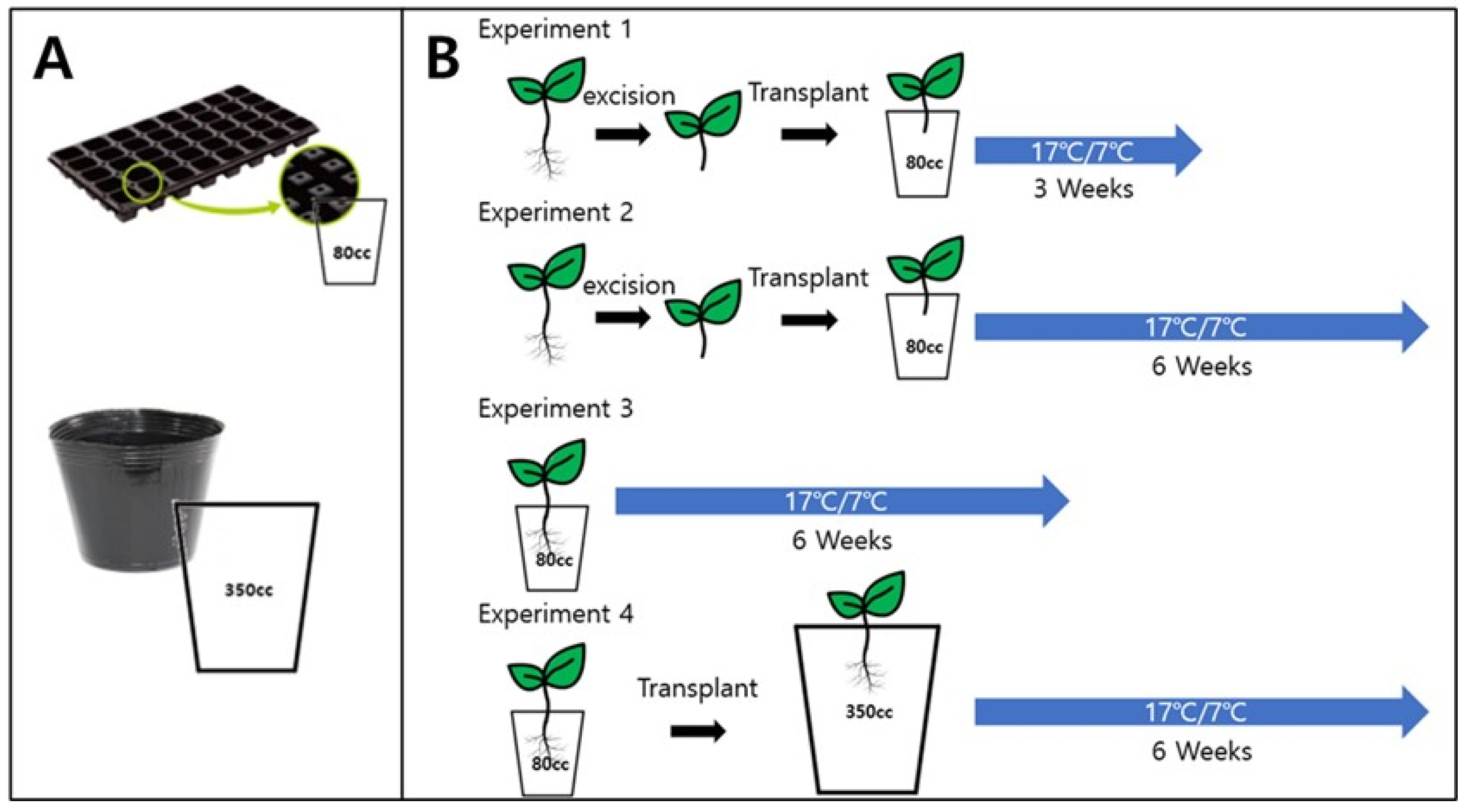
All of the seeds used in the study were harvested within a year and stored in the low-temperature. For germination, all selected lines were sown in a 40 port connected tray (54.0 × 28.0 × 5.0 cm) filled with commercial soil mixture (Baroke No.2, Seoul Bio Co., Ltd). 1 week old post-ge-rminated seedlings with fully developed cotyledons were used as starting materials for the different experiments. We devised 4 different experiments (
Fig. 1) for evaluating the low-temperature stress responses, as shown below. For all experiments, we performed in three replicates. For control purpose, we grew the same entries in unstressed condition (25°C/15°C, 16 hours light/8 hours dark). The relative humidity of the chamber was about 85%, and after excision, a transparent plastic lid was covered and sealed using a kitchen wrap to maintain the relative humidity, and irrigation was not performed until the end of the experiment. All unstressed controls grown at the normal temperature were raised in the same condition as stress-treated seedlings except for the low-temperature treatment.
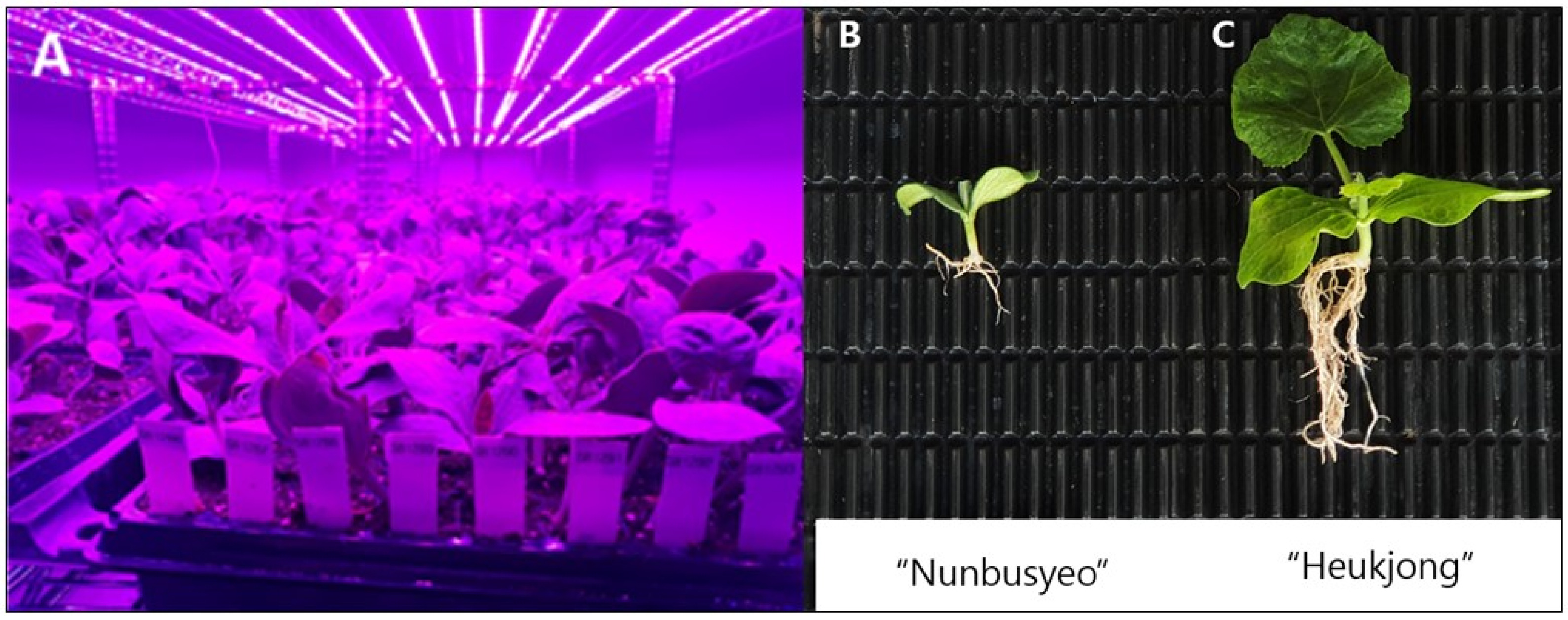
The seedlings were excised to remove the roots, and the hypocotyls were planted in the artificial soil. The excised seedlings were cultured for 3 weeks at alternating temperature of 17°C/7°C (8 hours light/16 hours dark), under an LED lamp (Red:Blue = 2:1, 150 µmol m
–2 s
–1) as a light source (
Fig. 2). After 3 weeks of low-temperature treatment, the shoots and roots growth were investigated.
For Exp. 2, all seedling growth conditions are the same as Exp. 1. But in Exp. 2, we prolonged the low-temperature treatment duration to 6 weeks from 3 weeks to examine the effects of longer treatment on the shoot and root growth.
Low-temperature screening Experiment 3
The growth conditions of Exp. 3 are the same as Exp. 2. But unlike Exp. 2, in Exp. 3 we used intact seedlings without excision and incubated at the low-temperature for 6 weeks.
Low-temperature screening Experiment 4
In order to evaluate low-temperature tolerance more accurately, we adopted the pot cultivation method to allow the plants to attain full growth potential. For this, seedlings were raised in 40 port connected trays and then were transplanted in a plastic pot (height 7.7 cm, 350 mL) and cultured at the low-temperature. The treatment conditions in Exp. 4 were the same as Exp. 1. Plants were irrigated when the soil surface became dry to maintain adequate soil moisture.
Test of low-temperature tolerance of grafted cucumber seedlings
In order to evaluate the low-temperature tolerance of grafted cucumber seedlings according to the pumpkin accessions and varieties, “Nakdongcheongjang” (Farm Hannong), a Chinese long green variety, was used as the scion. Cucumbers and the rootstock entries were sprouted at 30°C and sown in 105 port connected trays, and 10 days after sowing, when the first true leaves of cucumbers emerged, they were grafted using “Root Removed Single Cotyledon Ordinary Splice Grafting” (RRSCOSG) method. Rootstocks were sown 3 days after sowing of cucumbers to obtain a hypocotyl of a suitable size for grafting. 40-port connected tray (54.0 × 28.0 × 5.0 cm) was filled with soil, and after sufficient watering, the grafted seedlings were transplanted, covered with a transparent plastic lid, and sealed with kitchen wrap to maintain relative humidity for 7 days. The temperature during the initial graft-take period was 28°C/20°C (16 hours light/8 hours dark) and was lowered to 24°C/20°C after 3 days of grafting. Later, the grafted seedlings were transferred and continued to grow at low-temperature (17°C/7°C 8 hours light/16 hours dark) for 8 weeks. After the designated treatment at control and stress conditions, the plant height (PH), number of leaves (NoL), number of internodes (NoInt), fresh and dry weight of the cucumber plants were investigated.
Statistical analysis
Statistical analysis was performed using the R program Version 4.1.2. Correlation coefficients were computed to assess the relationships of various traits between seedling growth. All data were statistically analyzed by analysis of variance (ANOVA), and Duncan’s test was performed at P < 0.05 to estimate statistical significance between the treatments.
RESULTS
Comparison of root growth of figleaf gourd (C. ficifolia) variety (“Heukjong”) and bloomless C. moschata variety (“Nunbusyeo”) according to the growth stage and temperature treatment of seedlings after excision
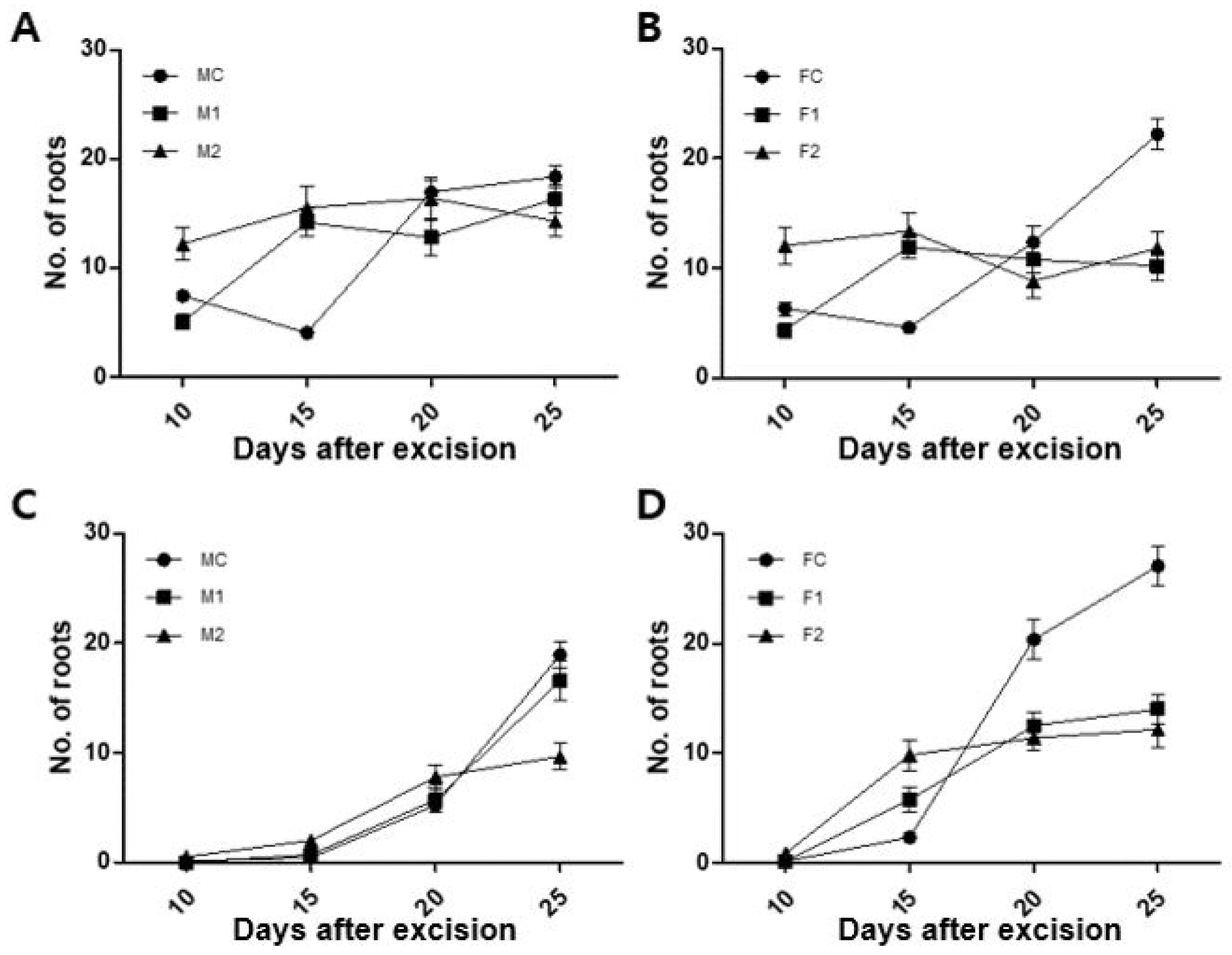
We monitored the root growth patterns of a tolerant pumpkin cultivar “Heukjong” and a sensitive cultivar “Nunbusyeo” seedlings to examine their differential growth responses to the different ambient temperatures. In order to minimize the effect of germination vigor and to attain uniformity, we used excised seedlings without roots at the cotyledonary stage, first and second true leaf stage, and then transferred them to the different ambient temperatures. Upon transfer to different temperatures, we counted their newly formed roots at different time intervals (10, 15, 20, 25 days after excision (DAE)) as a growth response index. Under the unstressed condition, the susceptible cultivar “Nunbusyeo” developed a higher number of roots compared to the tolerant cultivar “Heukjong” (
Fig. 3A and
3C). Conversely, the tolerant cultivar “Heukjong” developed a greater number of roots in the stress condition than in the control condition after 20 days of excision (
Fig. 3C and
3D). Under the low-tem-perature treatment, we did not observe any significant difference in the number of newly formed roots among “Heukjong” and “Nunbusyeo” until 20 DAE. Interestingly, after 20 days of low-temperature treatment, “Heukjong” seedlings excised at the cotyledonary stage showed more dramatic increase in the number of newly formed roots than that of excised seedlings at the first and second true leaf stage. On average, cotyledonary excised “Heukjong” seedlings showed 27.1 number of roots at 25 DAE. On the other hand, “Nunbusyeo” showed only 18.9 number of roots. Together, we observed seedling excision carried out at the cotyledonary stage and low-temperature treatment for 20-25 days was ideal for the screening procedure to distinguish between low-tem-perature tolerant and susceptible cultivars.
We applied the identified testing conditions shown in
Fig. 3B and
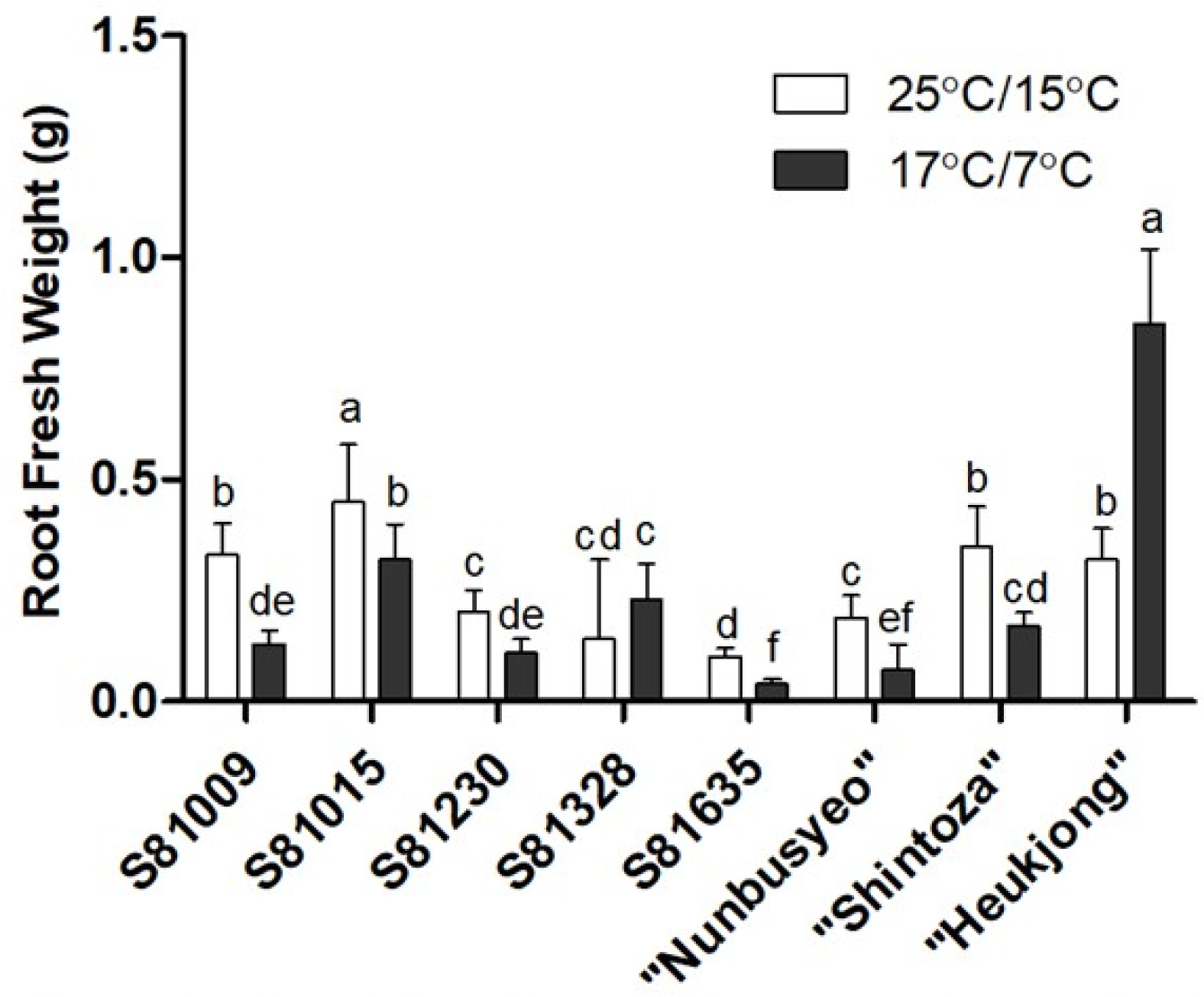
3D to different pumpkin accessions and commercial varieties to identify low-temperature tolerant lines. The root weight of “Heukjong” and “Nunbusyeo” did not show a significant difference at room temperature, but there was a significant difference under the low-tempe-rature. In our experiment under low-temperature stress, as expectedly, “Heukjong” showed the highest RFW, and “Nunbusyeo” showed the lowest RFW. Among the pumpkin accessions examined, we found that “S81015” showed the highest RFW under the low-temperature (
Fig. 4). Hence, we considered “S81015” as one of the promising low-temperature tolerant lines. Similarly, “S81328” also showed higher RFW under low-temperature stress after “S81015” and it was thought to be a candidate low-tem-perature tolerant germplasm.
When we compared the results obtained from Exp. 2 and 3, we found the higher shoot fresh weight (SFW) in all accession except for “S81009” and “S81230” in Exp. 2. Similarly, we found higher RFW in “S81328”, “S81635”, “Nunbusyeo”, and “Heukjong” cultivars in Exp. 2 compared to their RFW in Exp. 3 (
Table 2). When we treated the non-excised seedlings with low-temperature in 40 port connected tray (Exp. 3), we found the lowest RFW in “S81635” and “Nunbusyeo”. Additionally, we found many seedlings were got rotten and eventually died.
To observe the seedling growth indexes more accurately, we cultured the non-excised seedlings in a bigger pot (Exp. 4). We observed the seedlings grew more robustly in Exp. 4 than that in Exp. 3. This might be due to the more of the growth space and water availability. We measured PH, NoInt, NoL, RFW, and SFW. As expected, the tolerant cultivar “Heukjong” displayed superior growth in terms of PH, NoInt, NoL, RFW, and SFW compared to all other cultivars and germplasms tested. Among the pumpkin accessions,” S81015” (0.90 g) and “S81230” (0.86 g) displayed higher RFW, whereas “S81328” (0.46 g) displayed the lowest RFW (
Table 2). Interestingly, the higher RFW we observed in “S81015” at Exp. 4 also resembled its RFW recorded in Exp. 1, despite the more insufficient growth space and culture time. The growth pattern of tolerant and susceptible germplasms under low-temperature stress was more apparent when grown in bigger pots. When we extrapolate the growth patterns, growth of the tolerant “S81015” under the low-temperature stress is more vivid than that of the others. The growth rate at the control condition (25°C/15°C) did not significantly correlate with the growth rates under the stress condition. There was a significant correlation between all indexes we considered for evaluating low-temperature tolerance experiments with the RFW of Exp. 1. Specifically, the correlation coefficient of the RFW of Exp. 1 was high with Exp. 2 (
r=0.92,
r=0.91). However, the root and shoot fresh weights of Exp. 2 showed a lower correlation with that of Exp. 4 (
Table 3). In summary, although the Exp. 1 had a short growth time and limited space for growth, we observed this result was close to the growth patterns of the ideal testing condition (Exp. 4), which suggested that Exp. 1 conditions could be the most appropriate for screening purpose of pumpkin seedlings in a short span of time with limited resources.
Further, we also examined the low-temperature tole-rance of grafted cucumbers after grafting with the pumpkin accessions as rootstocks. As a positive control, cucumbers were self-grafted, assuming it has the highest grafting compatibility. Upon grafting, we measured PH, NoL and SFW, shoot dry weight (SDW). For data precision, we omitted the data of the accessions if the sample number of survived grafted plant is less than three. The “Heuk-jong”-grafted, “Shintoza”-grafted and self-grafted cucum-ber plants displayed comparable growth patterns under the unstressed condition. The SDW of “Heukjong”-grafted cucumber (3.77 g) showed the highest, followed by that of self-grafted cucumber (3.45 g). Similarly, the self-grafted cucumber displayed the highest SFW (37.68 g) followed by “S81635”-grafted cucumber (34.78 g) and “Heuk-jong”-grafted cucumber (33.55 g). Under stress condition, we found that the success rate of grafting and survival rate was very low. “S81230” showed a high growth rate in Exp. 4, but displayed a low survival rate upon grafting, which suggests that the grafting compatibility can be varied, and all the tolerant cultivars cannot be useful as a compatible rootstock. However, “Heukjong”-grafted cucumber had the highest SDW (0.79 g) and SFW (5.71 g). Consistent with the previous experiments, the tolerant cultivar “S81015” also outperformed with better grafting compa-tibility than other pumpkin germplasms. Accordingly, the “S81015”-grafted cucumber conferred 0.51 g of SDW and 2.41 g of SFW followed by “S81009”-grafted cucumber with 0.41 g of SDW and 3.04 g of SFW (
Table 4). Notably, compared to shoot weight, the plant height is not a reliable stress tolerance indicator as some of the pumpkin lines also grew taller than the tolerant commercial varieties.
To correlate the growth indexes (PH, NoL, SDW, SFW) under control and stress condition upon grafting among the experiments, we found the pumpkin RFW of Exp. 4 was highly correlated with the NoL (
r=0.94**), SDW (
r=0.97**), and SFW (
r=0.97**) of pumpkin-grafted cucumber. The RFW of Exp. 1 showed a moderate correlation (
r=0.71) with the shoot weight of grafted plants, whereas Exp. 2 and 3 did not correlate with the grafted plants (
Table 5). This suggests the condition of Exp. 1 still can be used for low-temperature tolerance assessment for rootstock, however, further experimentation is needed to finetune the screening conditions to correlate growth rate between pumpkins and pumpkin-grafted cucumbers.
DISCUSSION
In this study, we tried to develop a quantifiable in-house screening method which can be applied for assessing the low-temperature stress responses in pumpkin (
C. moschata) in a short time with limited resources. Thus far, many reports demonstrated chilling stress experiments using different stress durations and temperatures. In line of findings, chilling tolerance in muskmelon was quali-tatively evaluated through temporary low-temperature treatment (3±0.5°C, 40 µmol m
–2 s
–1) of seedlings for 72 hours (
Korkmaz et al. 2007) while
Li et al. (2015) evaluated cucumber through 5°C under weak light (100 µmol m
–2 s
–1) for 2 days. In another study,
Xu et al. (2017) differentiated the chilling tolerant and susceptible pumpkin cultivars clearly by alternating temperature (15°C/5°C) for 15 days. Referring to the study, we assumed that the longer stress treatment with alternating temperatures might resemble the actual field conditions than the in-house conditions. Further, few studies described plant growth would be affected if the soil temperature is below 17°C (
Tachibana 1987;
Ahn et al. 1999). Considering the foregoing findings on low-temperature treatments, we examined the low-temperature stress responses after alternating temperature treatment of 17°C/7°C (8 hours light/16 hours dark) in our experiment.
In our study, while comparing the growth rates of the selected germplasms and varieties, we found the figleaf gourd (
C. ficifolia), “Heukjong”, bestowed a higher growth rate under the low-temperature condition. Earlier reports also ascertain optimal growth responses between 15°C- 21°C in figleaf gourd (
Tachibana 1982;
Lee 1994;
Ahn et al. 1999;
Rivero et al. 2003) compared to pumpkins, which is consistent with our results as well (
Fig. 4). “Heukjong” characteristically confers several stress adoptions, including an efficient H
2O
2 detoxification system in root cells. This efficient ROS scavenging activity will allow better water conductance and nutrients uptake despite of low-temperature, which might be the reason for its better stress adaptation (
Rhee et al. 2007). Additionally, another report also described figleaf gourd have an ability to control the amount of ABA movement in the root, which further influences stomatal conductance (
Zhang et al. 2008). Unlike figleaf gourd, many pumpkin cultivars cannot abide low-temperature. Hence, in our study, we used figleaf gourd, “Heukjong”, as a tolerant control cultivar and attempted to identify pumpkin germplasms with better low-temperature tolerance.
In an effort to identify earliest developmental stage of pumpkin seedling for screening, seedlings were excised in different stages (cotyledonary, 1st true leaf, and 2nd true leaf) and treated with varied ambient conditions at different time intervals. Likewise, we considered the root weight as the most important selection index for selecting low-tem-perature tolerant rootstock as a root crop. Since seed fidelity and germination vigor greatly affect the root growth rate of seedling, the root growth was compared at 2 different temperature conditions upon excision of roots to rule out the influence of the roots that formed during germination. After excision, the amount of newly regenerated roots under unstressed condition was not correlated with that of stressed condition (
Table 3). We found out that excision can make it easier to compare the root regeneration ability in case of using limited space. Also, we suggest that root regeneration ability under the low-temperature can be used as a direct selection criterion that can evaluate intrinsic low-temperature tolerance of pumpkin rootstocks, according to the high correlation coefficient between Exp. 1 and 4. Additionally, since RRSCOSG method is generally applied for cucumber grafting, in which rootstock roots are also removed, excision in screening procedure can be applied for a preliminary test on regeneration ability of new roots.
In comparison to the plant growth stage, the root regeneration ability showed a phenotypic difference under low-temperature stress when the excision was held. “Heukjong” seedling excised at cotyledonary stage had lower root forming ability than that of other stages until 15 days pass, but showed a conspicuous increase from 20 DAE. Similarly, the “Nunbusyeo” seedling excised at the cotyledonary stage displayed the highest number of roots on 25 DAE (
Fig. 3). This result might be due to the differential rooting ability depending on the developmental stage. Similar to this hypothesis,
Bae et al. (2005) reported that the root and shoot growth of grafted plants after grafting by RRSCOSG increased after passing 21 days. Therefore, the cotyledonary stage can be suggested for the appropriate seedling stage to conduct the excision and evaluation should be done precisely at approximately 20 to 25 DAE in the condition of culturing in the limited space of connected tray. In Exp. 2, most lines showed higher SFW than that of Exp. 3. Likewise, some lines showed higher RFW in Exp. 2 than Exp. 3, although we did not excise the root in Exp. 3. This result is likely to be related to water stress imposed on the intact seedlings. Furthermore, the well size of the connected tray also might act as a limiting factor on the overall growth rate of seedlings in longer low-temperature stress duration, and therefore, spacious pots would provide more accurate low-temperature tolerance assessment for non-excised seedlings.
Yu et al. (2002) also confirmed a difference in the growth of seedlings depending on the size of the well. In our experiment, 3 weeks of the relatively short-term treatment on excised seedlings was thought to be efficient and quick low-temperature tolerance screening, using a connected tray with small well size. In addition, we found out that the same low-temperature tolerance was expressed regardless of the stress duration through correlation analysis between Exp. 1 and 4.
In this study, considering the fact that the rootstock has a significant influence on the growth of scion, it was assumed that the root growth rate was appropriate as a valid indicator for the selection of the rootstock. Low-temperature significantly influence the metabolism of plants, such as photosynthesis, respiration, and absorption of nutrients and water. Especially, it has been reported that the temperature of the rhizosphere has a great effect on the growth of the shoot. Previous reports also had shown that the net photosynthetic rate and photochemical efficiency of PSII decreased sharply when the soil temperature was 15°C or less (
Ahn et al. 1999). Few reports also describe that the photosynthesis rate was higher, and the absorption of nutrients and water increased when grafted to figleaf gourd, which eventually has high chilling tolerance (
Ahn et al. 1999;
Zhou et al. 2007;
Zhou et al. 2009).
Among the growth indicators of grafted cucumber plants, the shoot weight showed the most similar tendency to that of Exp. 1 (
Table 4 and
5). As expected, we found that the SFW of self-grafted seedlings was the highest under unstressed conditions. Similarly, In the case of SDW, “Heukjong” was higher than that of self-grafted seedlings, but it was not statistically significant. This appears to be due to the vigorous root growth of figleaf gourd. Among the pumpkin accessions, “S81015” was identified as a low-temperature tolerant line, and it also improved the low-temperature tolerance of the grafted cucumbers. Some pumpkin accessions showed different growth rates of grafted seedlings compared to the plant itself. It is estimated that the strength of low-temperature tolerance after grafting is affected by compatibility. It is thought that the selection of uniform seedlings after true leaf emergence for pot cultivation acted as a factor in that the growth rate of non-excision pot cultivation showed the highest correlation with grafted seedlings under low-temperature conditions. On the other hand, in the case of excised seedlings, it was thought that it was relatively difficult to select seedlings with even vigor before the appearance of the true leaves. Overall, effective low-temperature tolerance screening was possible by treating low-temperature for 3 weeks after excision.
We expect the indoor low-temperature tolerance screening method developed through this study can be effectively used for breeding of bloomless rootstocks for cucumber. It is considered highly effective as a selection method because the root growth rate, which is a key trait of rootstock, was used as a selection index. As the allelic diversity for low-temperature tolerance in the commercial bloomless rootstock cultivars is narrow, we need to find novel pumpkin resources that can render a higher level of tolerance (
Yolcu et al. 2020). Apparently, the demand for bloomless rootstock having higher low-temperature tolerance is getting increased. Hence, to address this problem, we identified pumpkin germplasm with low-tem-pe-rature tolerant and excellent grafting compatibility, and it can be potentially used for developing bloomless rootstocks for cucumber.
ACKNOWLEDGEMENTS
This study was supported by a grant (project no. PJ01350903) from the National Institute of Horticultural Herbal Sciences, Rural Development Administration.
Fig. 1Experimental layout for the low-temperature tolerance screening.
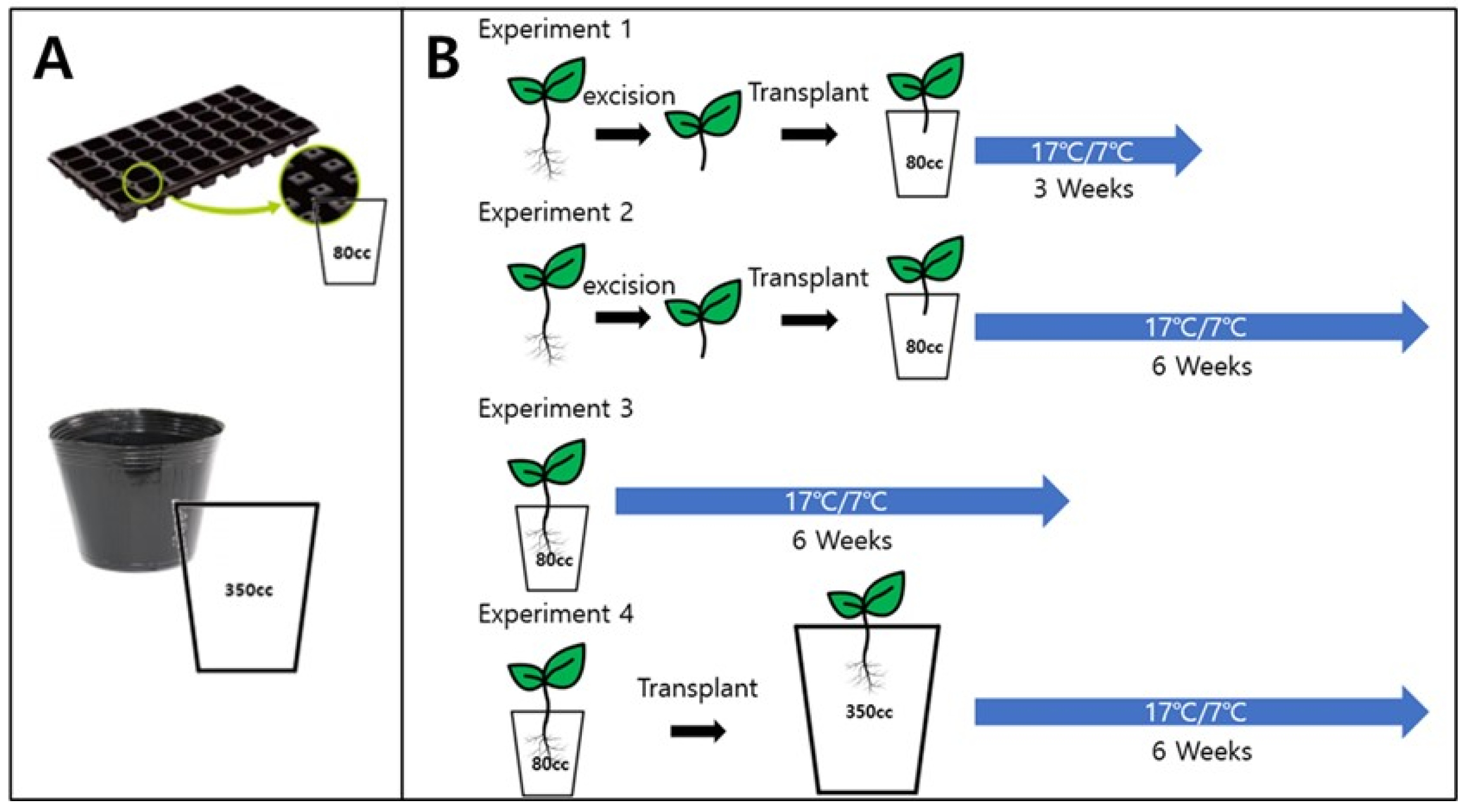
Fig. 2(A) The low-temperature treatment chamber (operated at 17℃/7℃ 8 hours light/16 hours dark), (B, C) differential seedling root growth pattern of C. moschata (“Nunbusyeo”) and C. ficifolia (“Heukjong”).
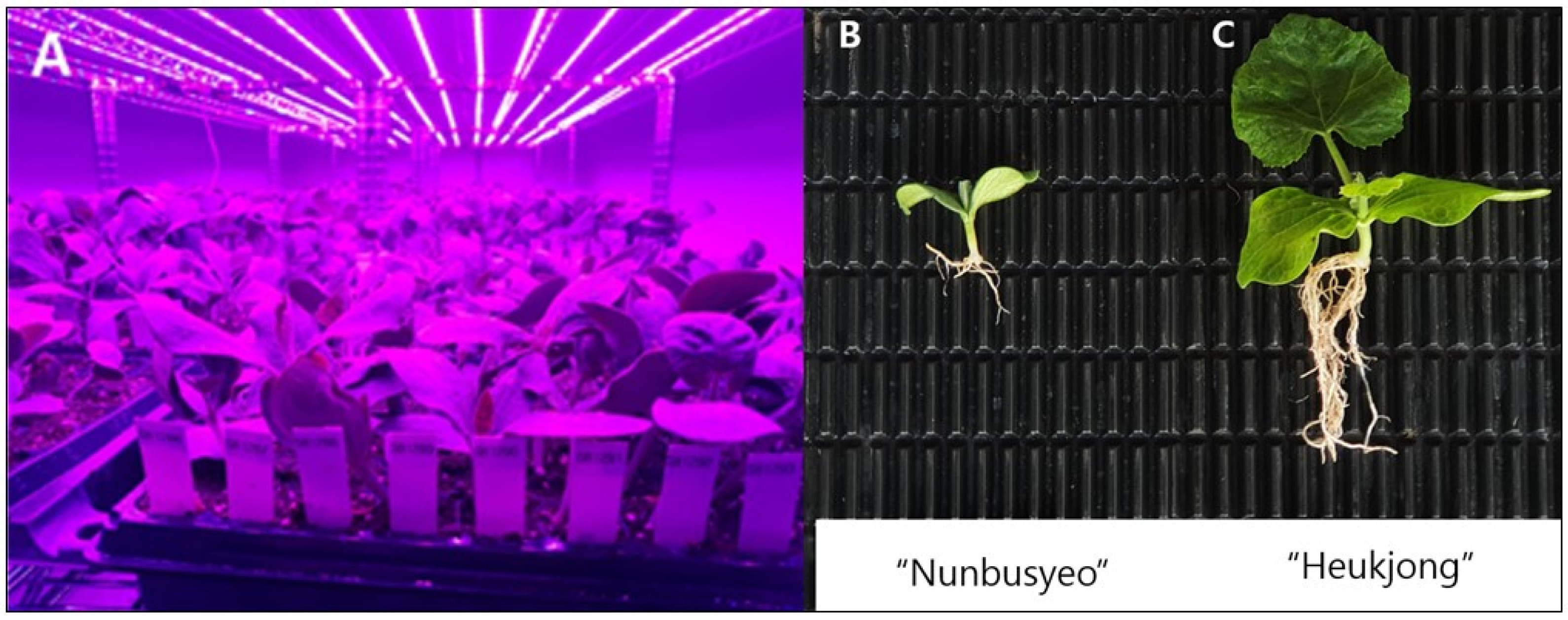
Fig. 3Numbers of roots per plant at each stage and days after excision. (A) Cucurbita moschata in 17℃/7℃. (B) C. ficifolia in 17℃/7℃. (C) C. moschata in 25℃/18℃. (D) C. ficifolia in 25℃/18℃. MC: C. moschata excised at cotyledon stage, M1: C. moschata excised at 1 true leaf stage, M2: C. moschata excised at 2 true leaf stage, FC: C. ficifolia excised at cotlyedon stage, F1: C. ficifolia excised at 1 true leaf stage, F2: C. ficifolia excised at 2 true leaf stage, ● cotyledon stage. ■1 true leaf stage. ▲2 true leaf stage.
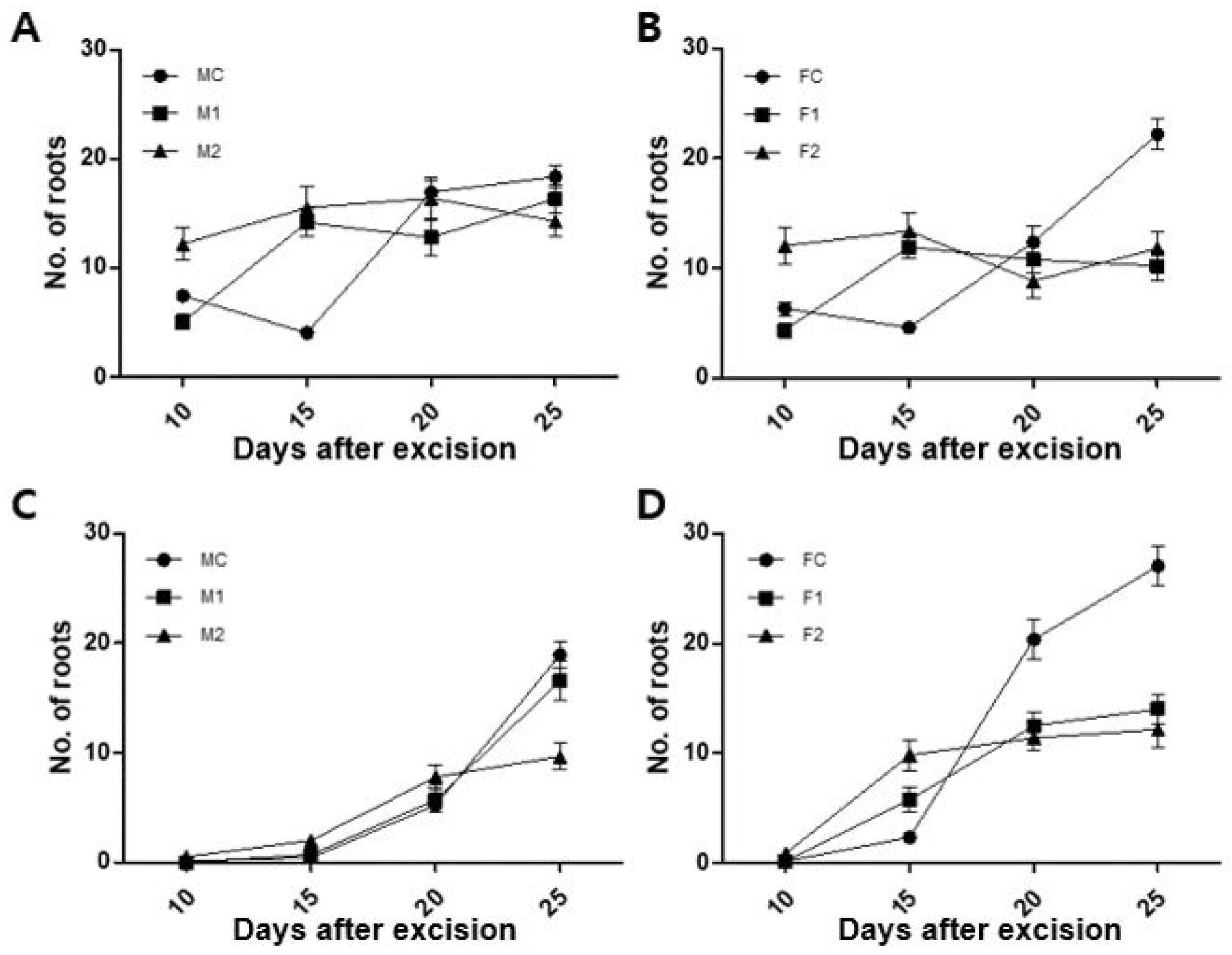
Fig. 4Comparison of root fresh weight after excision according to the Cucurbita moschata accessions and rootstock varieties under two temperature conditions. Different letters indicate significant differences, as calculated statistically by Duncan’s multiple range test.
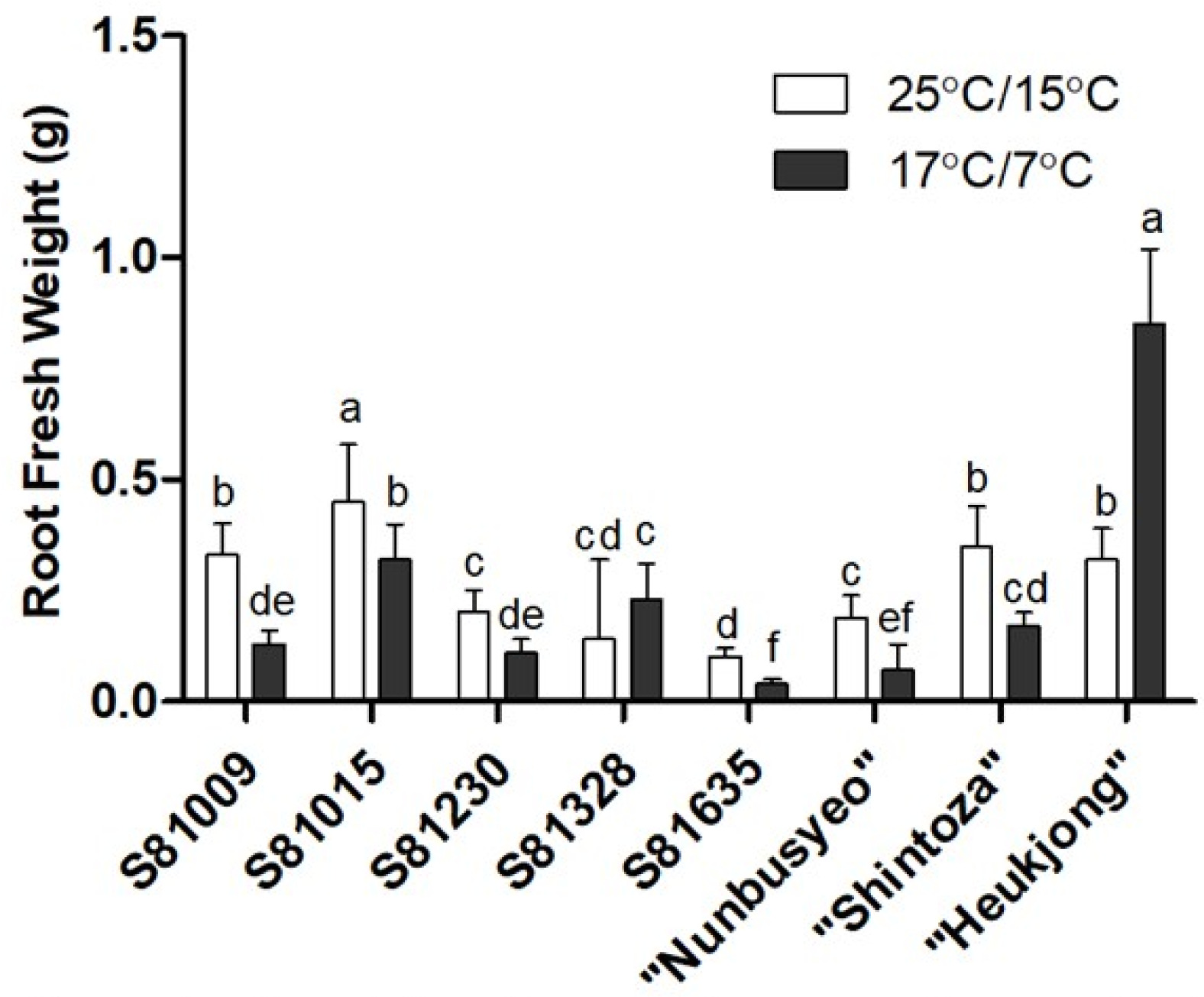
Table 1List of selected accessions of Cucurbita moschata and rootstock varieties used for screening of low-temperature tolerance.
Table 1
|
Species |
Accession/variety (company) |
Country of origin |
|
C. moschata
|
S81009 |
Rep. of Korea |
|
S81015 |
Rep. of Korea |
|
S81230 |
China |
|
S81328 |
Rep. of Korea |
|
S81635 |
United States |
|
"Nunbusyeo" (Takii Korea) |
|
|
C. maxiam × moschata
|
"Shintoza" (Farm Hannong) |
|
|
C. ficifolia
|
"Heukjong" (Farm Hannong) |
|
Table 2Comparison of plant growth indexes of the Cucurbita moschata accessions and rootstock varieties according to the three different low-temperature screening of 6 weeks.
Table 2
|
Species |
Accession/variety |
Exp. 2z)
|
Exp. 3 |
Exp. 4 |
|
RFWy) (g) |
SFW (g) |
RFW (g) |
SFW (g) |
PH (cm) |
NoInt |
NoL |
RFW (g) |
SFW (g) |
|
C. moschata
|
S81009 |
0.39 ± 0.20bc
|
3.40 ± 0.62c
|
0.65 ± 0.12bc
|
3.47 ± 0.58b
|
134.49 ± 17.55cd
|
4.9 ± 2.1bc
|
5.6 ± 2.7c
|
0.70 ± 0.13bcd
|
5.97 ± 1.86d
|
|
S81015 |
0.29 ± 0.23bcd
|
3.63 ± 0.70c
|
0.72 ± 0.15ab
|
2.51 ± 0.51c
|
121.24 ± 47.75d
|
4.3 ± 2.1c
|
6.9 ± 1.3bc
|
0.90 ± 0.18b
|
6.84 ± 1.05d
|
|
S81230 |
0.01 ± 0.02e
|
1.69 ± 0.64d
|
0.56 ± 0.28cd
|
3.87 ± 0.61b
|
223.76 ± 30.62b
|
6.3 ± 2.4bc
|
6.7 ± 0.5bc
|
0.86 ± 0.22b
|
15.79 ± 0.89b
|
|
S81328 |
0.48 ± 0.21b
|
5.18 ± 1.24b
|
0.45 ± 0.10d
|
3.94 ± 1.19b
|
160.04 ± 28.24c
|
4.6 ± 2.2c
|
5.9 ± 2.2c
|
0.46 ± 0.12cd
|
7.11 ± 2.47d
|
|
S81635 |
0.12 ± 0.05de
|
1.80 ± 0.78d
|
0.03 ± 0.03f
|
0.74 ± 0.19e
|
167.58 ± 21.40c
|
7.1 ± 2.0b
|
7.3 ± 1.7bc
|
0.73 ± 0.19bc
|
11.04 ± 3.83c
|
|
“Nunbusyeo” |
0.22 ± 0.10cde
|
1.89 ± 0.67d
|
0.16 ± 0.04ef
|
1.64 ± 0.45d
|
75.21 ± 8.28e
|
5.0 ± 2.2bc
|
5.0 ± 2.2c
|
0.39 ± 0.13d
|
4.34 ± 2.00d
|
|
C. maxiam × moschata
|
“Shintoza” |
0.16 ± 0.13de
|
3.37 ± 0.83c
|
0.28 ± 0.04e
|
2.01 ± 0.81cd
|
161.89 ± 33.67c
|
6.4 ± 2.1bc
|
8.6 ± 2.4b
|
2.09 ± 0.48a
|
16.33 ± 3.18b
|
|
C. ficifolia
|
“Heukjong” |
1.09 ± 0.29a
|
7.48 ± 1.56a
|
0.85 ± 0.13a
|
5.66 ± 0.87a
|
360.43 ± 55.39a
|
10.7 ± 1.8a
|
12.0 ± 1.8a
|
2.38 ± 0.53a
|
22.94 ± 3.04a
|
Table 3Correlation coefficient between growth indexs in the different low-temperature screening experiments.
Table 3
|
|
25°C/18°C
RFWy)
|
Exp. 1z)
RFW |
|
Exp. 2 |
|
Exp. 3 |
|
Exp. 4 |
|
RFW |
SFW |
RFW |
SFW |
PH |
NoInt |
NoL |
RFW |
|
Exp. 1 |
RFW |
0.41 |
- |
|
|
|
|
|
|
|
|
|
|
|
|
Exp. 2 |
RFW |
0.25 |
0.92** |
|
- |
|
|
|
|
|
|
|
|
|
|
SFW |
0.32 |
0.91** |
|
0.94*** |
- |
|
|
|
|
|
|
|
|
|
Exp. 3 |
RFW |
0.64 |
0.71* |
|
0.62 |
0.66 |
|
- |
|
|
|
|
|
|
|
SFW |
0.23 |
0.75* |
|
0.74* |
0.77* |
|
0.84** |
- |
|
|
|
|
|
|
Exp. 4 |
PH |
0.05 |
0.80* |
|
0.68 |
0.67 |
|
0.53 |
0.74* |
|
- |
|
|
|
|
NoInt |
-0.02 |
0.72* |
|
0.62 |
0.53 |
|
0.23 |
0.45 |
|
0.90** |
- |
|
|
|
NoL |
0.30 |
0.84** |
|
0.67 |
0.69 |
|
0.41 |
0.49 |
|
0.87** |
0.91** |
- |
|
|
RFW |
0.48 |
0.71* |
|
0.53 |
0.59 |
|
0.37 |
0.41 |
|
0.72* |
0.77* |
0.92** |
- |
|
SFW |
0.13 |
0.64 |
|
0.43 |
0.47 |
|
0.32 |
0.50 |
|
0.90** |
0.89** |
0.91** |
0.87** |
Table 4Comparison of growth indexes of grafted cucumbers under two temperature conditions according to the Cucurbita moschata accessions and roostock varieties 8 weeks after grafting.
Table 4
|
Species |
Accession/variety |
25°C/18°C |
17°C/7°C |
|
PHz) (cm) |
No. L |
SFW (g) |
SDW (g) |
PH (cm) |
No. L |
SFW (g) |
SDW (g) |
|
C. moschata
|
S81009 |
45.67 ± 8.75a
|
10.3 ± 2.9ab
|
27.78 ± 3.35b
|
2.57 ± 0.07a
|
61.16 ± 18.08a
|
4.0 ± 1.0b
|
3.04 ± 0.26b
|
0.41 ± 0.02bc
|
|
S81015 |
89.33 ± 60.75a
|
12.7 ± 4.0a
|
31.21 ± 3.68ab
|
3.42 ± 0.63a
|
59.72 ± 5.03a
|
3.0 ± 1.0b
|
2.41 ± 0.95bc
|
0.51 ± 0.02b
|
|
S81230 |
NA |
NA |
NA |
NA |
NA |
NA |
NA |
NA |
|
S81328 |
57.67 ± 11.36a
|
11.3 ± 0.6ab
|
30.62 ± 3.50ab
|
2.69 ± 0.11a
|
70.15 ± 6.60a
|
3.3 ± 1.2b
|
2.06 ± 0.28bc
|
0.42 ± 0.09bc
|
|
S81635 |
62.33 ± 17.76a
|
11.0 ± 1.7ab
|
34.78 ± 5.77ab
|
3.07 ± 0.55a
|
53.28 ± 5.35a
|
4.0 ± 1.0b
|
2.35 ± 0.68bc
|
0.37 ± 0.10cd
|
|
"Nunbusyeo" |
NA |
NA |
NA |
NA |
35.36 ± 9.34b
|
3.3 ± 2.1b
|
1.78 ± 0.60c
|
0.28 ± 0.07d
|
|
C. maxima × C. moschata
|
"Shintoza" |
52.17 ± 21.57a
|
8.3 ± 1.5b
|
32.95 ± 4.58ab
|
3.20 ± 1.25a
|
66.49 ± 6.45a
|
8.0 ± 1.0a
|
6.06 ± 0.27a
|
0.76 ± 0.06a
|
|
C. ficifolia
|
"Heukjong" |
73.67 ± 0.76a
|
10.0 ± 1.0ab
|
33.55 ± 3.00ab
|
3.77 ± 0.58a
|
58.80 ± 5.99a
|
7.3 ± 0.6a
|
5.71 ± 0.80a
|
0.79 ± 0.07a
|
|
Cucumis Sativus (Self-grafting) |
|
70.50 ± 14.93a
|
11.7 ± 1.2ab
|
37.68 ± 0.96a
|
3.45 ± 1.04a
|
NA |
NA |
NA |
NA |
Table 5Correlation analysis between root growth in four low-temperature screening experiments and growth indexes of grafted cucumbers under the two temperature conditions.
Table 5
|
|
|
Grafted cucumber |
|
25°C/18°C |
17°C/7°C |
|
PHz)
|
No.L |
SFW |
SDW |
PH |
No.L |
SFW |
SDW |
|
Pumpkin |
Control |
RFW |
0.39 |
-0.01 |
-0.31 |
0.41 |
0.26 |
0.29 |
0.45 |
0.55 |
|
Exp. 1y)
|
RFW |
0.49 |
-0.04 |
0.22 |
0.75 |
0.23 |
0.49 |
0.57 |
0.71 |
|
Exp. 2 |
RFW |
0.25 |
-0.06 |
0.02 |
0.48 |
0.21 |
0.37 |
0.43 |
0.53 |
|
Exp. 3 |
RFW |
0.41 |
0.22 |
-0.45 |
0.35 |
0.41 |
0.15 |
0.32 |
0.49 |
|
Exp. 4 |
RFW |
0.12 |
-0.66 |
0.47 |
0.75 |
0.33 |
0.94** |
0.97*** |
0.97*** |
References
- Ahn SJ, Im YJ, Chung GC, Cho BH, Suh SR. 1999. Physiological responses of grafted-cucumber leaves and rootstock roots affected by low root temperature. Scientia Horticulturae. 81(4): 397-408.
- Bae SG, Kim JH, Do HW, Shin YS, Seo YJ. 2005. Effect of Grafting Methods on Plug Seedling Quality, Growth after Transplanting and Yield of Oriental Melon (Cucumis melo L. Mak.). J. Bio-Env. Con.. 14(1): 56-62.
- Barth C, Krause GH. 1999. Inhibition of photosystems I and II in chilling-sensitive and chilling-tolerant plants under light and low-temperature stress. r Naturforschung C. 54: 645-657.
- Bisognin DA. 2002. Origin and evolution of cultivated cucurbits. ncia Rural. 32: 715-723.
- Cao X, Jiang F, Wang X, Zang Y, Wu Z. 2015. Compre-hensive evaluation and screening for chilling-tolerance in tomato lines at the seedling stage. Euphytica. 205(2): 569-584.
- Colla G, Rouphael Y, Jawad R, Kumar P, Rea E, Cardarelli M. 2013. The effectiveness of grafting to improve NaCl and CaCl2 tolerance in cucumber. Sci. Hortic.. 164: 380-391.
- Cursi DE, Cox MC, De Oliveira Anoni C, Hoffmann HP, Gazaffi R, Garcia AAF. 2020. Comparison of different selection methods in the seedling stage of sugarcane breeding. Agron. J.. 112(6): 4879-4897.
- Davis AR, Perkins-Veazie P, Sakata Y, Lopez-Galarza S, Maroto JV, Lee SG, et al. 2008. Cucurbit grafting. CRC. Crit. Rev. Plant Sci.. 27(1): 50-74.
- Gautier AT, Chambaud C, Brocard L, Ollat N, Gambetta GA, Delrot S, et al. 2019. Merging genotypes: graft union formation and scion–rootstock interactions. J. Exp. Bot.. 70(3): 747-755.
- Huang Y, Bie Z, He S, Hua B, Zhen A, Liu Z. 2010. Improving cucumber tolerance to major nutrients induced salinity by grafting onto Cucurbita ficifolia. Environ. Exp. Bot.. 69(1): 32-38.
- Huang Y, Bie Z, Liu P, Niu M, Zhen A, Liu Z, et al. 2013. Reciprocal grafting between cucumber and pumpkin demonstrates the roles of the rootstock in the determination of cucumber salt tolerance and sodium accumulation. Sci. Hortic.. 149: 47-54.
- Khatun H, Biswas PS, Hwang HG, Kim KM. 2016. A quick and simple in-house screening protocol for cold-tolerance at seedling stage in rice. Plant Breed. Biotech.. 4(3): 373-378.
- King SR, Davis AR, Zhang X, Crosby K. 2010. Genetics, breeding and selection of rootstocks for Solanaceae and Cucurbitaceae. Sci. Hortic.. 127(2): 106-111.
- Korkmaz A, Uzunlu M, Demirkiran AR. 2007. Acetyl salicylic acid alleviates chilling-induced damage in muskmelon seedlings. Can. J. Plant Sci.. 87(3): 581-585.
- Kousik CS, Mandal M, Hassell R. 2018. Powdery mildew resistant rootstocks that impart tolerance to grafted susceptible watermelon scion seedlings. Plant Dis.. 102(7): 1290-1298.
- Kumar P, Rouphael Y, Cardarelli M, Colla G. 2017. Vegetable grafting as a tool to improve drought resistance and water use efficiency. Front. Plant Sci.. 8: 1130
- Lee JM. 1994. Cultivation of grafted vegetables I. Current status, grafting methods, and benefits. HortScience. 29(4): 235-239.
- Lee JM, Kubota C, Tsao S, Bie Z, Echevarria PH, Morra L, et al. 2010. Current status of vegetable grafting: Diffusion, grafting techniques, automation. Sci. Hortic.. 127(2): 93-105.
- Li H, Wang F, Chen XJ, Shi K, Xia XJ, Considine MJ, et al. 2014. The sub/supra‐optimal temperature‐induced inhibi-tion of photosynthesis and oxidative damage in cucumber leaves are alleviated by grafting onto figleaf gourd/luffa rootstocks. Physiol. Plant.. 152(3): 571-584.
- Li Y, Tian X, Wei M, Shi Q, Yang F, Wang X. 2015. Mechanisms of tolerance differences in cucumber seedlings grafted on rootstocks with different tolerance to low temperature and weak light stresses. Turk. J. Bot.. 39(4): 606-614.
- Natarajan S, Basnayake J, Wei X, Lakshmanan P. 2019. High-throughput phenotyping of indirect traits for early-stage selection in sugarcane breeding. Remote Sens.. 11(24): 2952
- Rhee JY, Lee SH, Singh AP, Chung GC, Ahn SJ. 2007. Detoxification of hydrogen peroxide maintains the water transport activity in figleaf gourd (Cucurbita ficifolia) root system exposed to low temperature. Physiol. Plant.. 130(2): 177-184.
- Rivero RM, Ruiz JM, Romero L. 2003. Role of grafting in horticultural plants under stress conditions. J. Food Agric. Environ.. 1: 70-74.
- Rouphael Y, Cardarelli M, Rea E, Colla G. 2012. Improving melon and cucumber photosynthetic activity, mineral composition, and growth performance under salinity stress by grafting onto Cucurbita hybrid rootstocks. Photosynthetica. 50(2): 180-188.
- Schwarz D, Rouphael Y, Colla G, Venema JH. 2010. Grafting as a tool to improve tolerance of vegetables to abiotic stresses: Thermal stress, water stress and organic pollutants. Sci. Hortic.. 127(2): 162-171.
- Sharma N, Reinke R, Sacks EJ. 2021. Comparison of Methods to Evaluate Rice (Oryza sativa) Germplasm for Tolerance to Low Temperature at the Seedling Stage. Agronomy. 11(2): 385
- Tachibana S. 1982. Comparison of effects of root temperature on the growth and mineral nutrition of cucumber cultivars and figleaf gourd. Journal of the Japanese Society for Horticultural Science,. 51: 299-308.
- Tachibana S. 1987. Effect of root temperature on the rate of water and nutrient absorption in cucumber cultivars and figleaf gourd. Journal of the Japanese society for horticultural science. 51(3): 299-308.
- Xu Y, Guo SR, Shu S, Ren Y, Sun J. 2017. Construction of a genetic linkage map of rootstock-used pumpkin using SSR markers and QTL analysis for cold tolerance. Sci. Hortic.. 220: 107-113.
- Yadav M, Jain S, Tomar R, Prasad G, Yadav H. 2010. Medicinal and biological potential of pumpkin: an updated review. Nutr. Res. Rev.. 23(2): 184-190.
- Yassin H, Hussen S. 2015. Reiview on role of grafting on yield and quality of selected fruit vegetables. Global J. Sci. Front. Res. 15(1)..
- Yolcu S, Alavilli H, Lee BH. 2020. Natural genetic resources from diverse plants to improve abiotic stress tolerance in plants. Int. J. Mol. Sci.. 21(22): 8567
- Yu YM, Lee JW, Kim KY, Kim YC, Lee SG, Seo TC, et al. 2002. Research Reports : Effect of Seedling Age and Plug Cell Size on Seedling Quality, Lateral Vine Devel-opment , and Yield in White - spine Cucumber. Horitic. Sci. Technol.. 20(1): 5-9.
- Zhang Y, Qiao Y, Zhang Y, Zhou Y, Yu J. 2008. Effects of root temperature on leaf gas exchange and xylem sap abscisic acid concentrations in six Cucurbitaceae species. Photosynthetica. 46(3): 356-362.
- Zhang ZS, Liu MJ, Gao HY, Jin LQ, Li YT, Li QM, et al. 2015. Water status related root-to-shoot communication regulates the chilling tolerance of shoot in cucumber (Cucumis sativus L.) plants. Sci. Rep.. 5(1): 1-10.
- Zhou Y, Huang L, Zhang Y, Shi K, Yu J. Nogués S2007. Chill-induced decrease in capacity of RuBP carboxy-lation and associated H2O2 accumulation in cucumber leaves are alleviated by grafting onto figleaf gourd. Ann. Bot.. 100(4): 839-848.
- Zhou Y, Zhou J, Huang L, Ding X, Shi K, Yu J. 2009. Grafting of Cucumis sativus onto Cucurbita ficifolia leads to improved plant growth, increased light utilization and reduced accumulation of reactive oxygen species in chilled plants. J. Plant Res.. 122(5): 529-540.