Abstract
Cultivation of the medicinal herb Panax ginseng Meyer began by domesticating wild mountain ginsengs several hundred years ago in Korea. Elucidating the diversity of the maternally inherited plastid genome (plastome) in diverse ginseng collections including wild ginsengs would provide valuable information on ginseng breeding and cultivation history. We sequenced and compared the plastomes of 44 ginseng accessions collected from various Northeast Asian countries. The plastomes revealed 18 polymorphic sites, including 11 SNPs and 7 InDels, which portrayed less diversity than in the most closely related species, P. quinquefolius. We developed 10 kompetitive allele-specific PCR (KASP) markers and utilized them along with four previously developed InDel markers to characterize the genotypes of 203 ginseng accessions. Digital genotyping based on the developed KASP markers classified the accessions into 10 main and 2 branching haplotypes. Four InDel markers derived from different copy numbers of tandem repeats showed dynamic subgrouping within the haplotypes due to the occurrence of multi-alleles and reversible mutations. The digital haplotype genotyping (haplotyping) revealed that haplotype A, representing 60.1% of the accessions, might be the original plastome form without any SNP occurrence. Accumulation patterns of the variations suggest that nine main haplotypes (B-J) diverged independently by new SNP occurrences from the original plastome, and branching haplotypes may have derived from the first mutant lineage by additional SNP deposition. The digital haplotyping system based on plastome diversity deepens understanding of ginseng evolution and serves as a useful molecular breeding tool.
-
Key words: Genetic diversity, Haplotype, Kompetitive allele-specific PCR (KASP), Panax ginseng, Plastid genome
INTRODUCTION
Korean ginseng (
Panax ginseng Meyer), a member of the Araliaceae family, is an important medicinal crop in Northeast Asia (
Yun 2001). Ginseng has long been harvested for international trade and is still a high-value crop (
Baeg and So 2013). Its value arises from the excellent pharma-cological efficacy derived from ginsenosides, which are unique metabolites in ginseng (
Attele et al. 1999). How-ever, ginseng grows very slowly and bears only ~40 seeds after four years of cultivation (
Choi 2008). These charac-teristics have frustrated breeders and made researchers reluctant to design ways to improve ginseng as a crop. The complex polyploid genome of ginseng also poses great challenges for developing useful genetic tools (
Kim et al. 2014). Thus, various approaches are needed to develop useful tools for efficient ginseng breeding.
The chloroplast, one of many types of plastids, plays vital roles in photosynthesis (
Pfannschmidt et al. 1999). This essential plant organelle contains an independent plastid genome (plastome) in circular form, which is usu-ally inherited uniparentally without recombination (
Birky 1995). The plastome sequence is a main molecular target in plant taxonomy due to its highly conserved structure and gene contents within a species, as well as clear inter-species polymorphisms (
Jiang et al. 2017). Plastome sequence variation provides useful information about the evolu-tionary models of related species and for the development of molecular markers to distinguish species or germplasms (
Kim et al. 2017;
Ji et al. 2019;
Lee et al. 2019;
Nguyen et al. 2020). Advances in next-generation sequencing (NGS) platforms and genome assembly technologies have made it easier to complete errorless assembly of plastome sequences (
Kim et al. 2015a). This, in turns, allows comparative analyses to be carried out using several genetic resources.
Various studies on the ginseng genome have been carried out, and a draft genome comprising approximately 3 Gbp of assembled sequence was recently published (
Jayakodi et al. 2018;
Kim et al. 2018). Plastome sequences for
P. ginseng and its relative species have been released in reports on inter- and intraspecies diversity (
Kim and Lee 2004;
Kim et al. 2015b;
Zhao et al. 2015;
Wang et al. 2018;
Ji et al. 2019). Most studies of intraspecies diversity have focused on cultivated ginseng, and to date, no diversity study using genetic resources collected from the wild or other countries has been published. To gain a deeper understanding of the genetic diversity of ginseng, compre-hensive research using various genetic resources is needed.
DNA molecular markers are useful genetic tools that could be used for species authentication (
Kim et al. 2012), seed purity testing (
Joh et al. 2017), and genetic diversity studies (
Jang et al. 2020a). These tools could also be used for marker-assisted selection for crop improvement (
Mohan et al. 1997). The development of useful markers in con-servatively inherited plastomes would greatly facilitate ginseng breeding. Among these markers, kompetitive allele-specific PCR (KASP) marker is a cost-effective genotyping tool that can be applied to many samples simultaneously (
Semagn et al. 2014). KASP markers allow quick and accurate genotyping using allele-specific oligo extension with fluorescence.
In the current study, we uncovered plastome diversity in ginseng and established a standard haplotype grouping (haplotyping) system based on the different genotypes of ginseng plastomes. We identified 18 polymorphic sites, including 11 SNPs and 7 InDels, from a comparative analysis of the plastomes of 44 cultivated and wild ginseng accessions from Northeast Asian countries. We developed 10 KASP markers based on the SNP variations, and applied them to diverse genetic resources to identify different haplotypes and their cultivation history. The results of this study provide valuable information about the genetic diversity of different ginseng populations. Moreover, our digital haplotyping system using the 10 newly developed KASP markers could be used as a fundamental tool for ginseng breeding.
MATERIALS AND METHODS
Plant materials and DNA extraction
A total of 203 ginseng genetic resources were used in this study, including cultivated and wild accessions from Nor-theast Asian countries. Origin and provider information of the samples were described in
Supplementary Table 1. Among these resources, 156 individuals were collected from various regions in Korea, 30 from China, 8 from in Japan, and 9 from Russia. Among these samples, 146 ginsengs were the same samples used in our previous study (
Jang et al. 2020a). Fresh leaves from each sample were ground in liquid nitrogen with a mortar and pestle, and genomic DNA was extracted from the samples following a modified cetyltrimethylammonium bromide method (
Allen et al. 2006). Additional DNA extraction was performed using Exgene Plant SV midi kit (GeneAll Biotechnology, Seoul, Korea) in accordance with the manufacturer’s instructions. DNA quantity and quality were measured using a NanoDrop ND-1000 (Thermo Scientific Inc., Wilmington, DE, USA). For PCR analysis, the DNA concentration in each sample was adjusted to 10 ng/mL.
Among the DNA samples, DNA from 27 ginseng indi-viduals was sent to Phyzen (Seongnam, Korea) for library construction and 0.5-1x low-coverage whole genome sequencing. Libraries were prepared using TruSeq Nano DNA kit (Illumina Inc., San Diego, USA) in accordance with the manufacturer’s instructions. Sequencing was per-formed using the multiplexing method on the NextSeq platform (Illumina Inc., San Diego, USA), generating 150 bp paired-end reads. The reads from each sample were sorted based on specific index sequences and used to assemble the plastome sequences with the dnaLCW method (
Kim et al. 2015a). Raw paired-end reads from each sample were trimmed using the CLC quality trim tool with default parameters, and
de novo assembly of plastome sequences was carried out using CLC genome assembler included in the CLC ASSEMBLY CELL package version 4.6 beta program (
https://www.qiagenbioinformatics.com/products/ clc-assembly-cell/). Plastid-related contigs were extracted from the assembled sequences by aligning them to the plastome sequence of
P. ginseng cv. ‘Yunpoong’ (YP, GenBank accession no. KM088020) as a reference using the MUMmer program (
Kurtz et al. 2004). Contigs were ordered according to the reference sequence and combined into a single draft sequence. Sequence validation was carried out by manual curation via raw reads mapping with the CLC package. The complete plastome sequences were annotated using the GeSeq program (
Tillich et al. 2017). All sequences and annotation data were deposited in a public database at the National Center for Biotechnology Information (
https://www.ncbi.nlm.nih.gov/).
Comparative analysis was performed using 44 plastome sequences, including previously reported sequences (
Kim et al. 2015b;
Zhao et al. 2015;
Wang et al. 2018) as well as newly assembled sequences to identify diverse variations in the ginseng plastome (
Supplementary Table 2). Two plastome se-quences of
Panax quinquefolius (GenBank accession no. NC027456 and MK408923) were also compared to confirm the variation rates between two
Panax species in each plastomes. Multiple sequence alignment was carried out using MAFFT 7.0 (
Katoh and Standley 2013). The posi-tions of the variations were determined based on the pla-stome sequence of cultivar ‘Chunpoong’ (CP, GenBank accession no. KM088019) as the reference sequence. The identified SNP information was sent to LGC genomics (Teddington, UK) with 50 bp flanking sequences on both sides of the SNP to design KASP primer pairs. The flanking sequences were compared with the mitochondrial genome sequence (GenBank accession no. KF735063) and nuclear genome sequences of ginseng (
Jayakodi et al. 2018) to search for mitochondrial genome sequences of plastid origin (MTPTs) and nuclear genome sequences of plastid origin (NUPTs) using the BLASTN program (
Altschul et al. 1990) with an expectation value of 1E-6.
The newly designed KASP primer pairs were validated using 182 ginseng genetic resources excluding the sequenced samples. PCR amplification was carried out in a 10 mL volume containing 10 ng genomic DNA, 5 mL of KASP Master mix solution, and 0.14 mL of KASP Assay mix solution (LGC genomics, Teddington, UK). The reaction mixtures and two 10 mL samples of sterile distilled water (as negative controls) were dispensed into a 96-well plate (
Semagn et al. 2014). Amplification and genotyping (by detecting the fluorescence resonance energy transfer values) were performed using a Roche LC480 qPCR instrument (Roche Diagnostics, Penzberg, Germany). The thermal cycling conditions were as follows: 15 minutes at 94℃, 10 cycles of 20 seconds at 94℃ and 60 seconds at 61 to 55℃ (drop 0.6℃ per cycle), and 26 cycles of 20 seconds at 94℃ and 60 seconds at 55℃. The genotyping results were plotted based on fluorescein amidite (FAM) and hexachloro- fluorescein (HEX) values. Primer pairs showing ambiguous results were employed for additional amplification under the following conditions: 3 cycles of 20 seconds at 94℃ and 60 seconds at 57℃ and 1 cycle of 60 seconds at 30℃.
To examine the distribution for InDel variations in the ginseng population, gel-based genotyping analysis was performed by selecting 4 InDel variations (ID2, ID3, ID6, and ID7). The markers developed in a previous study (
Kim et al. 2015b) were used to genotype 182 ginseng genetic resources. PCR amplification was carried out in a 25 mL volume containing 1U Taq polymerase, 1x reaction buffer, 0.2 mM dNTPs (Inclone Biotech, Yongin, Korea), 20 ng genomic DNA, and 10 pmole of each primer. The PCR was performed in a thermocycler using the following cycling parameters: 5 minutes at 95℃; 35 cycles of 30 seconds at 95℃, 20 seconds at 54℃, and 40 seconds at 72℃; and 7 minutes at 72℃ for final extension. The tandem repeats (TRs) polymorphisms of individual plant were identified by electrophoresis using 2-3% agarose gels for 90 minutes at 100 V. The gels were stained with safety gel stain (Inclone Biotech, Yongin, Korea), and the final PCR products were visualized under UV light.
RESULTS
Diversity among 44 P. ginseng plastomes
We obtained 27 plastome sequences from ginseng genetic resources collected from Korea, China, Japan, and Russia using low-coverage NGS data. Our analysis was focused on the plastomes of 44 accessions identified in the current and previous studies (
Kim et al. 2015b;
Zhao et al. 2015;
Wang et al. 2018). The structures of the 44 plastomes were identical, with lengths ranging from 156,241 to 156,425 bp (
Fig. 1 and
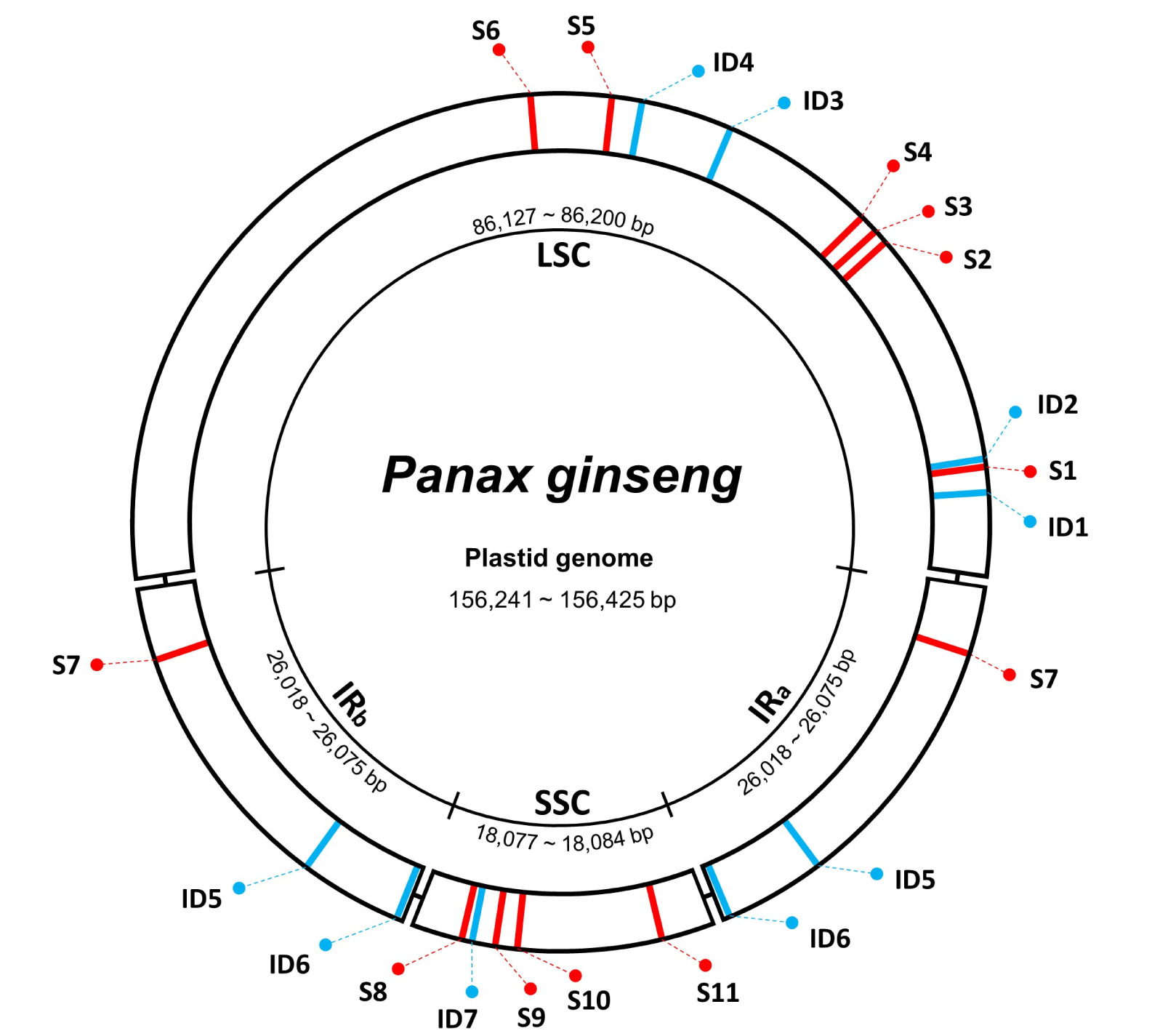
Supplementary Table 2). The plastomes showed typical quadripartite organization consisting of two copies of inverted repeats (IRa and IRb), 26,018-26,075 bp in size. These IRs divide the rest of the plastome into an 86,127-86,200 bp large single copy (LSC) region and an 18,077-18,084 bp small single copy (SSC) region. The plastomes harbored 113 genes, including 79 protein- coding genes, 30 tRNA genes, and 4 rRNA genes.
A comparative analysis of the 44 ginseng plastome sequences from cultivated and wild ginseng accessions identified 18 polymorphic sites, including 11 SNPs and 7 InDels. These polymorphic sites were distributed throu-ghout the entire sequence, including 10 in the LSC region, 5 in the SSC region, and 3 in IR regions (
Fig. 1 and
Table 1). In addition to the six SNPs identified in our previous study (
Kim et al. 2015b), we discovered five new SNPs, include-ing one each in the
rpoC1 intron,
psaB coding sequence (CDS),
ycf3 intron,
ycf2 CDS, and
ndhD CDS regions. Three of these SNPs were non-synonymous substitutions: a glycine (G) to aspartic acid (D) substitution in
psaB, an arginine (R) to glycine (G) substitution in
ycf2, and a leucine (L) to phenylalanine (F) substitution in
ndhD. We identified a new InDel variation in the region between
psbZ and
trnG-UCC in the J-farm 2 (JF2) accession. All InDel variations identified in the ginseng plastomes were TRs with 1, 7, 13, 57 or 59 bp repeat units.
Based on the SNP and InDel compositions, the assem-bled 44 ginseng plastomes were classified into 15 types (
Table 1). When only 11 SNPs were considered, the 44 plastomes were grouped into 10 major types. The most common type (Type 1) was identified in 25 plastomes and was further subdivided based on the presence of InDel variations (Type 1-1–1-5). The nine other types of plas-tomes contain one or two additional SNPs derived from the type 1 plastome. Each of the seven SNPs is present in the respective plastome type, where mutations occurred at independent positions. The four other SNPs coexist in two types of plastomes in pairs (S1&S8 and S2&S9). In contrast to SNPs, InDels are present in shuffled patterns in the different plastome types. The assembled plastome sequences contain one to five variations.
Two plastome sequences of
P. quinquefolius, the most closely related species to
P. ginseng, were retrieved from public database. The entire length of
P. quinquefolius plastome sequences were calculated as 156,070 bp and 156,088 bp, respectively, and the length difference was caused by InDel variations in LSC region (
Supplementary Table 3). The remaining SSC and IR regions showed identical length between the two plastome sequences. A total of 20 varia-tions including 15 SNPs and 5 InDel were discovered, which were distributed in the LSC and IR regions. The four InDel variations were TRs with 1 bp repeat unit, and remaining one showed unique pattern with 18 bp gap, not a TR.
We tried to develop allele-specific markers based on the 11 SNPs and their flanking sequences in
P. ginseng. Ten allele-specific KASP primer pairs were successfully designed and used to genotype ginseng collections con-taining cultivated and wild ginseng populations (
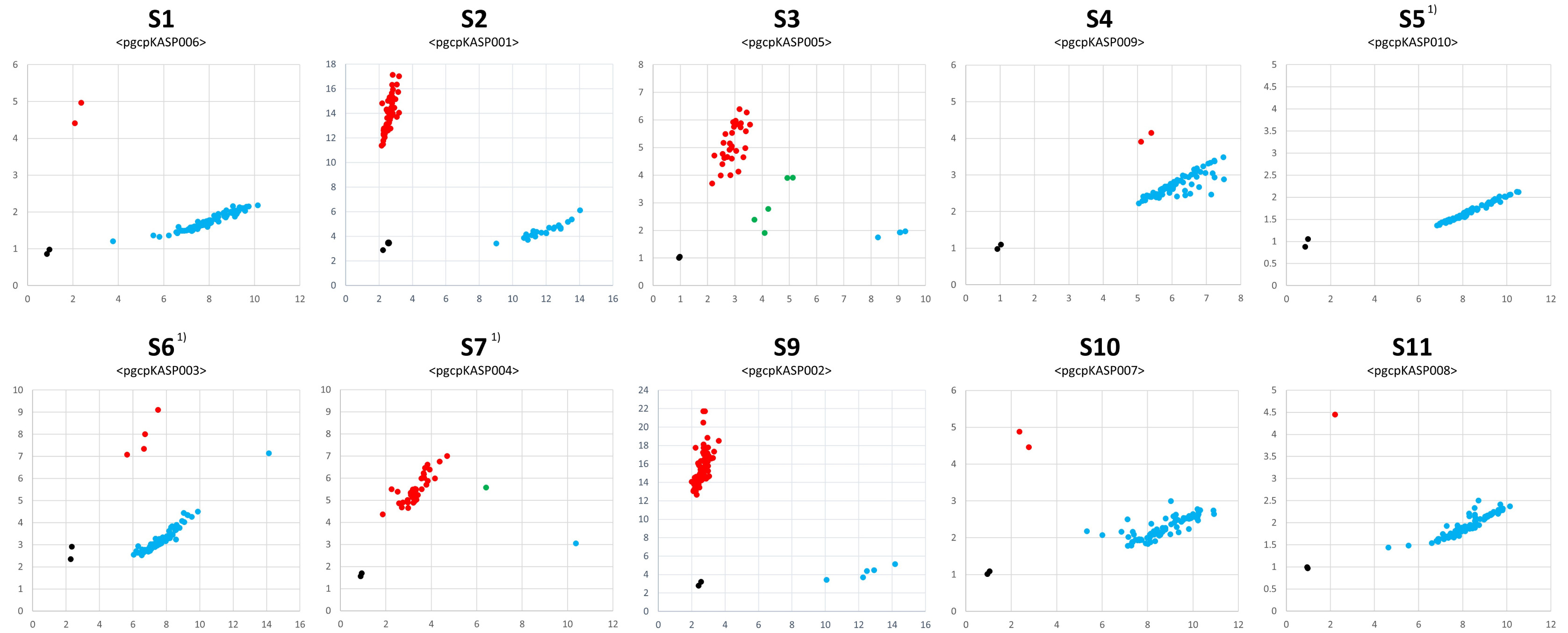
Supplementary Table 4). The results of genotyping are identical to the nucleotide information obtained from the assembled plastome sequen-ces of the samples, confirming the accuracy of the plastome assembly and KASP analysis results. Seven KASP markers formed two clusters in the endpoint fluore-scence scatter plots, which represent only two genotypes, as expected from the 182 ginseng resources (
Fig. 2). Markers S3 and S7 formed three clusters, which are expected to reflect heterozygous or ambiguous genotypes in five and one accession, respectively, among the collections. Marker S5 was unique in the sequenced plastome of the K-farm 1 (KF1) accession, which differed from the 202 other ginseng accessions.
We genotyped all 203 ginseng genetic resources based on plastome sequence information, 10 KASP markers, and 4 InDel markers (
Supplementary Table 4-6). Excluding the five indivi-duals showing heterozygous genotypes, the 198 remaining genetic resources were classified into 12 groups based on digitalized 10 SNP genotypes (
Table 2). Among the 198 genetic resources, 119 (60.1%) accessions belonged to the most common haplotype (named haplotype A), which might be the original plastome type. The most abundant SNP (S2) was identified in 43 (21.8%) accessions (haplotype B). Haplotype B was sub-classified based on one additional SNP (S9) that was identified in 10 (5.1%) of 43 accessions (haplotype B’). An unexpected combination of two SNPs (S3 and S4) that was not observed in the comparative analysis of the 44 plastome sequences was also identified in three accessions (haplotype IJ). The cultivated and wild ginseng populations displayed similar proportions of each haplotype group.
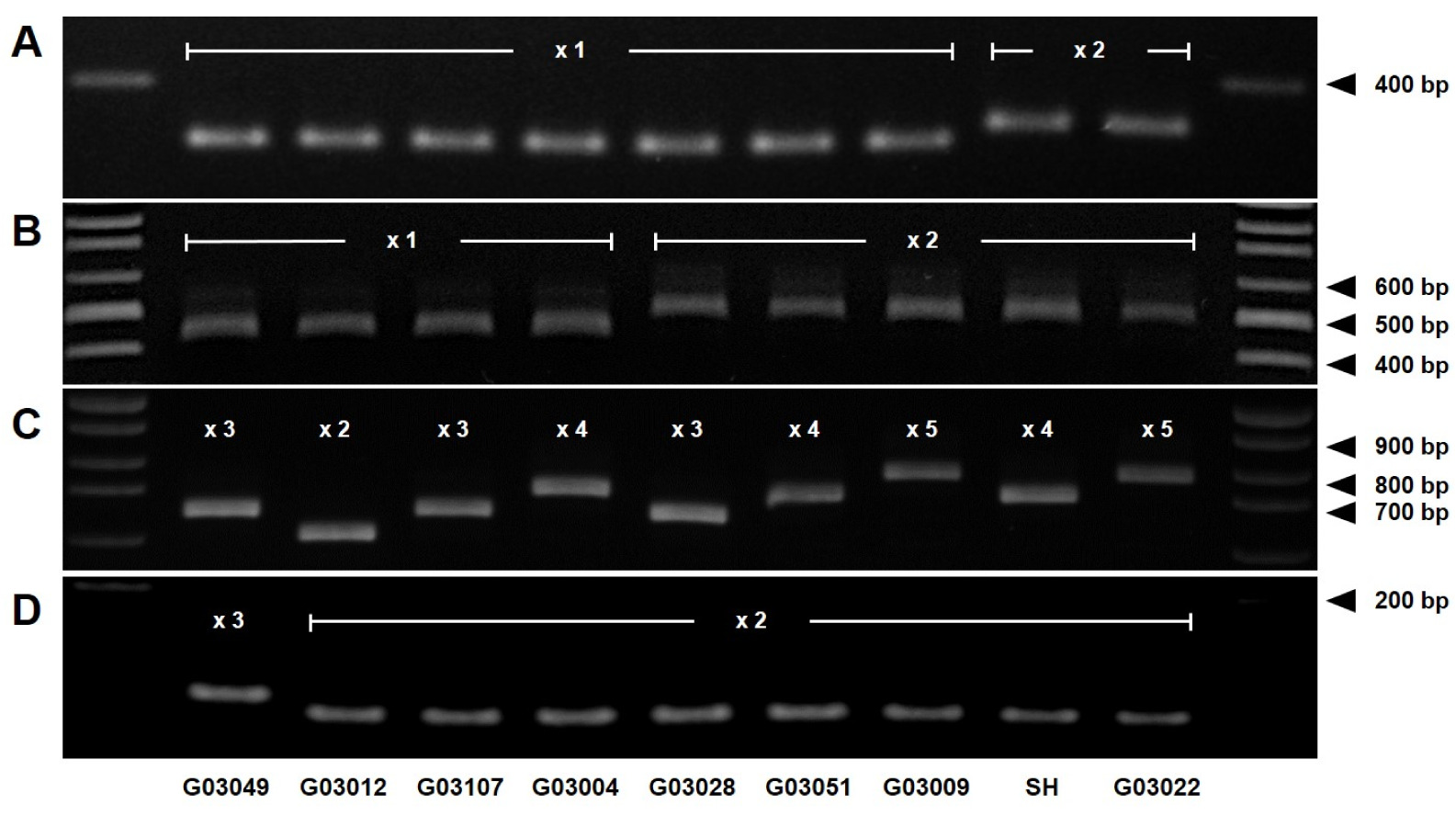
The results of genotyping based on InDel variations showed more dynamic patterns among the genetic resources (
Fig. 3 and
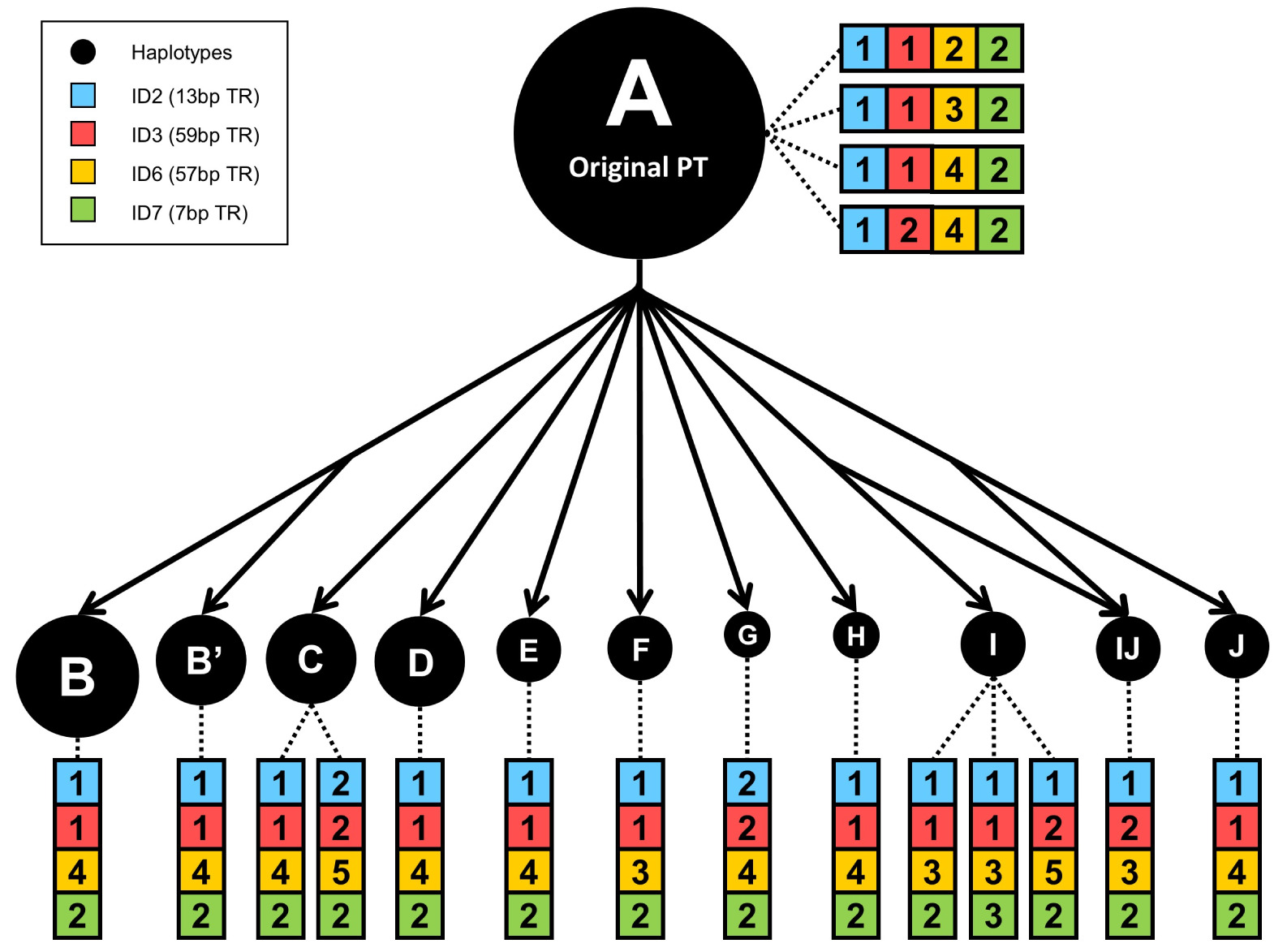
Supplementary Table 6). Three InDels (ID2, ID3, and ID7) showed two types of copy number variation (CNV) for each TR as they were found in the assembled plastome sequences, whereas ID6 showed new types of CNV not previously identified in the plastome sequences. Various CNV patterns were detected in the same haplo-types, which divided each main haplotype into different subgroups. Haplotype A, representing the original plastome form, was subdivided into four subgroups based on the CNV patterns of the four TRs (
Fig. 4).
DISCUSSION
Plastome diversity in P. ginseng and P. quinquefolius
P. ginseng and
P. quinquefolius are the most closely related species to each other (
Manzanilla et al. 2018;
Wang et al. 2018). We could identify a total of 20 variations between two
P. quinquefolius plastome sequence, mean-while, a comparative analysis using 44
P. ginseng plastome sequences showed rare nucleotide variations including 11 SNPs and 7 InDels (
Fig. 1 and
Supplementary Table 3). Although the varia-tion rates between two species seemed similar, but consi-dering the number of compared sequences,
P. ginseng plastomes would have much lower variation rate than
P. quinquefolius plastomes. In addition, previous study disclosed 278 polymorphic variations in mitochondrial genome of
P. ginseng (
Jang et al. 2020b), which was 15.4 times higher than that of the plastome. These results represented that
P. ginseng contained less genetic diversity in the plastome, and rather the scarcity could provide precious information for ginseng breeding research.
Plastomes are conservatively inherited and show few variations within a species. Due to this characteristic, variations in the plastome hold valuable information for utilization in DNA barcoding (
Dong et al. 2012;
Kane et al. 2012) and understanding the genetic diversity (
Jiang et al. 2017) and evolutionary relationships among related species (
Huang et al. 2014;
Kim et al. 2017). Although there are few intraspecific variations within ginseng plastomes, these variations can be useful for understanding the breed-ing and cultivation history of ginseng. Moreover, the com-plete plastome sequences from various genetic resources obtained in this study lay the foundation for ginseng breeding and related studies in the future.
Ginseng breeding has been performed via pure line selection in which individual plants are selected from arable fields of mixed local landrace populations (
Zhang et al. 2020;
Kim et al. 2021). Therefore, a molecular breeding system is required to test the purity and increase the uniformity of ginseng cultivars using genetic tools (
Choi et al. 2011;
Kim et al. 2012). In this study, 18 polymorphic variations were identified by comparing 44 complete plastomes. Based on the identified variations, 10 KASP markers and 4 InDel markers were developed to evaluate the genetic diversity of ginseng. KASP is a useful genetic tool for efficiently assigning genotypes to many samples. The ten KASP markers developed in this study identified clear genotypes for various individual ginseng accessions simultaneously. We also established a standard haplotyping system for ginseng plastomes based on the digitalized genotyping results using KASP markers. These KASP markers represent excellent tools for ginseng breeding, which are much needed as the molecular breeding system for this crop is not well established.
Molecular DNA markers developed from plastome sequences do not usually exhibit heterozygous genotypes because they are generally uniparentally inherited. However, markers S3 and S7 exhibited bi-alleles resembling hetero-zygous genotypes in some individual ginseng plants (
Fig. 2 and
Supplementary Table 5). To explore this issue, we compared the 50 bp flanking sequences of the SNP targets with the nuclear genome sequences (
Jayakodi et al. 2018) and mitochondrial genome sequences (GenBank accession no. KF735063). Most plastome homologs were identified in the nuclear genome, indicating that most of plastome segments were retained as NUPTs in the nuclear genome (
Bachvaroff et al. 2004; Leister
et al. 2005). This pattern suggests that the plastome and NUPTs might be simultaneously amplified by PCR in certain cases. Accordingly, individual plants with variations in the SNP position of the plastome or NUPTs might be detected as having heterozygous genotypes, as shown in
Fig. 2. This phenomenon could also be caused by the presence of MTPTs (
Wang et al. 2007;
Straub et al. 2013;
Wang et al. 2018). Indeed, the flanking sequences of three KASP marker targets (S5, S6, and S7) in the plastome are identical to sequences in the ginseng mitochondrial genome (
Nguyen et al. 2020). These pheno-mena have been reported in many plants (
Wang et al. 2007;
Straub et al. 2013) and could cause a DNA marker paradox (
Park et al. 2020). Therefore, when developing molecular markers from plastome sequences, NUPT and MTPT regions should be carefully considered.
Plastomes provide useful information about the breeding history of self-pollination plants such as ginseng because most plastomes follow uniparental inheritance patterns (
Jakobsson et al. 2007). Here, we classified ginseng gene-tic resources into 10 main groups and 2 subgroups based on the accumulation patterns of 10 SNPs (
Table 2). According to the SNP accumulation pattern, we estimated that the ginseng plastomes originated from haplotype A, comprising the largest proportion of plastomes, and that this haplotype lacks SNP mutations. We propose that nine major lineages derived from the original plastome independently accu-mulated SNPs, and two subgroups (haplotype B’ and IJ) were created due to the accumulation of additional SNP mutations from the main lineages (
Fig. 4). Moreover, InDel variations showing dynamic mutation patterns subdivided each haplotype. We predict that more diverse CNV patterns exist in natural populations. These tendencies suggest that ginseng has accumulated mutations independently in vari-ous regions of the plastome.
Cultivated and wild accessions were intermingled in each haplotype, indicating that there are no differences in genetic diversity between the two populations. A similar result was obtained in a study that analyzed the differences in genetic diversity between two populations using simple sequence repeat markers developed from the nuclear genome (
Jang et al. 2020a). These results reveal the culti-vation history of ginseng: wild ginsengs were collected from the mountains in various regions a few hundred years ago, and since then, landrace populations containing diverse heterogeneous individuals have been cultivated. In recent decades, more than 25 superior cultivars were bred based on the pure line selection method with individual plants showing unique agricultural traits in ginseng cultivation farms (
Kim et al. 2021). During this process, each cultivar maintained the unique plastome haplotypes. Due to this unique cultivation history, the genetic diversity of ginseng plastomes is thought to be similar among cultivars and wild populations.
Since ginseng is mainly a self-fertilizing plant, its geo-graphical distribution could be inferred using plastome haplotypes (
Vettori et al. 2004). Haplotype A, which is thought to be the original plastome type, is primarily found in China, Japan, and Korea. Haplotype B, which harbors one SNP variation in rpoC2, is primarily found in Russia. The genetic resources collected in Korea covered all plas-tome haplotypes, but some haplotypes were not iden-tified in other countries. However, these results might not be representative because different sample numbers were investigated in this study. The digital genotype data can be accumulated in a database and be used to analyze newly collected ginseng samples that can clarify the origin and geographic distribution of plastome haplotypes even further. Application of the digital genotyping system using these KASP markers could be easily extended to other ginseng populations to uncover more distinct geographic distribution information and even their migration history.
CONCLUSION
In this study, we characterized 44 complete plastomes of cultivated and wild ginsengs from four Northeast Asian countries. Eighteen polymorphic variations were identified, and 10 KASP markers were developed to evaluate the genetic diversity. By applying these markers to various genetic resources, we validated the usefulness of the mar-kers and established a standard haplotyping system for ginseng. Also, we explored the breeding history of ginseng based on the accumulation patterns of plastome variations and the genetic relationship between cultivated ginseng and wild collections. These results expand our understanding of the genetic diversity and cultivation history of ginseng. Furthermore, the KASP markers and standard plastome haplotyping system developed in this study provide useful genetic tools for the efficient breeding of ginseng.
DATA AVAILABILITY
All plastid sequence data from this article can be found in the GenBank data libraries under accession numbers des-cribed in
Supplementary Table 2.
SUPPLEMENTARY DATA
Supplemental Materials
ACKNOWLEDGEMENTS
This work was carried out with the support of 2019 grant from the Korean Society of Ginseng and “Cooperative Research Program for Agriculture Science and Technology Development (Project No. PJ015903)” and 2022 the RDA Fellowship Program of National Institute of Horticultural and Herbal Science, Rural Development Administration, Republic of Korea.
Notes
-
CONFLICT OF INTEREST
The authors declare that there are no conflicts of interest.
Fig. 1Complete plastome structure and variation infor-mation for 44 ginseng germplasms. Red and light- blue lines represent the SNP and InDel positions in the plastome, respectively. The text near each variation indicates the variation number. IR: Inverted repeats, LSC: Large single copy, SSC: Small single copy.
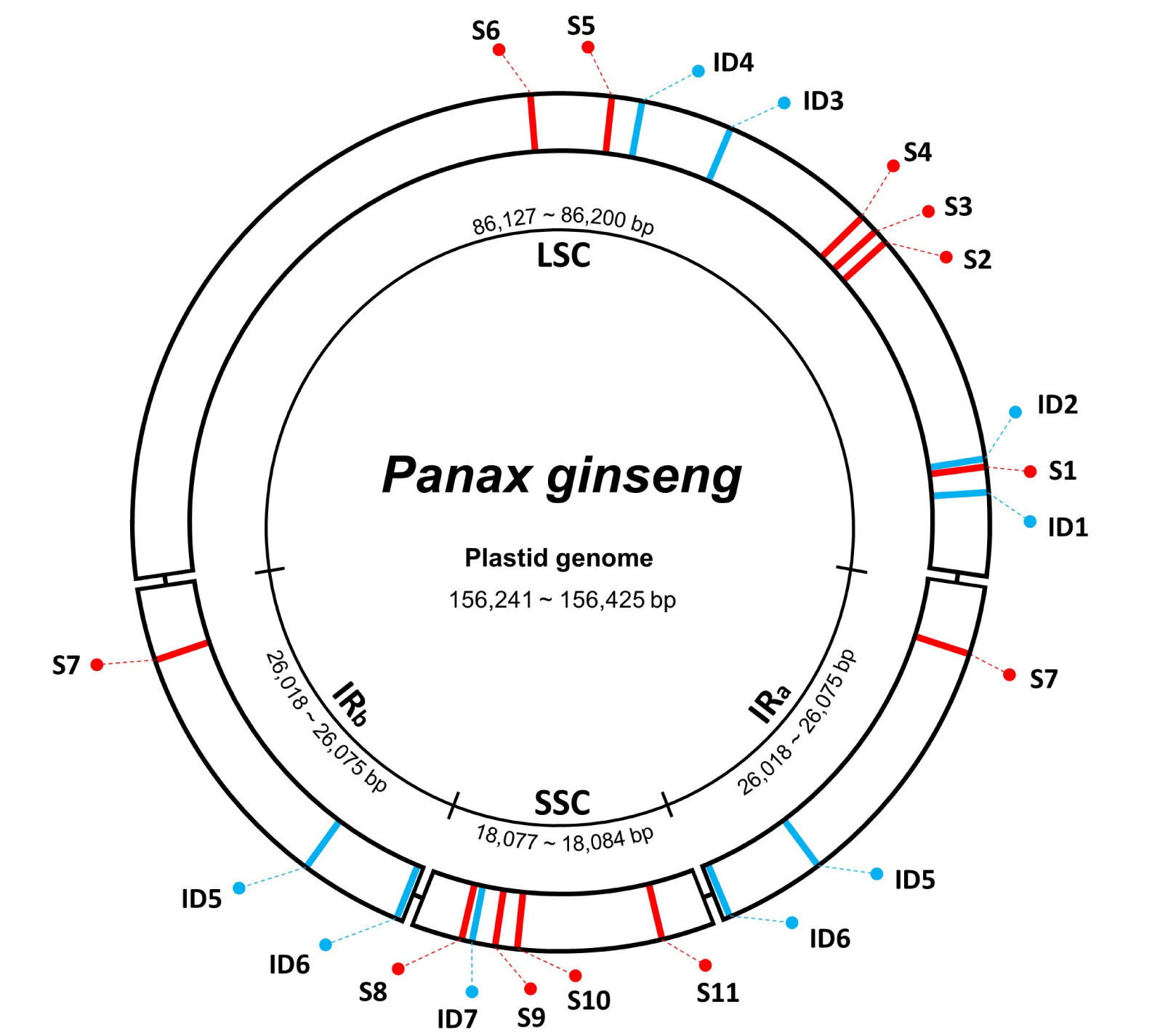
Fig. 2Endpoint fluorescence scatter plots of the 10 newly developed KASP markers applied to various individual ginseng collections. Red and light-blue dots indicate two homozygous genotypes (A/A or B/B), and green dots indicate heterozygous genotypes (A/B). The two gray dots indicate the negative controls. X- and Y-axes represent the fluorescence values of FAM and HEX, respectively. 1)Markers related to MTPT regions. FAM: Fluorescein amidite, HEX: Hexachloro-fluorescein, KASP: Kompetitive allele-specific PCR, MTPT: Mitochondrial genome sequences of plastid origin.
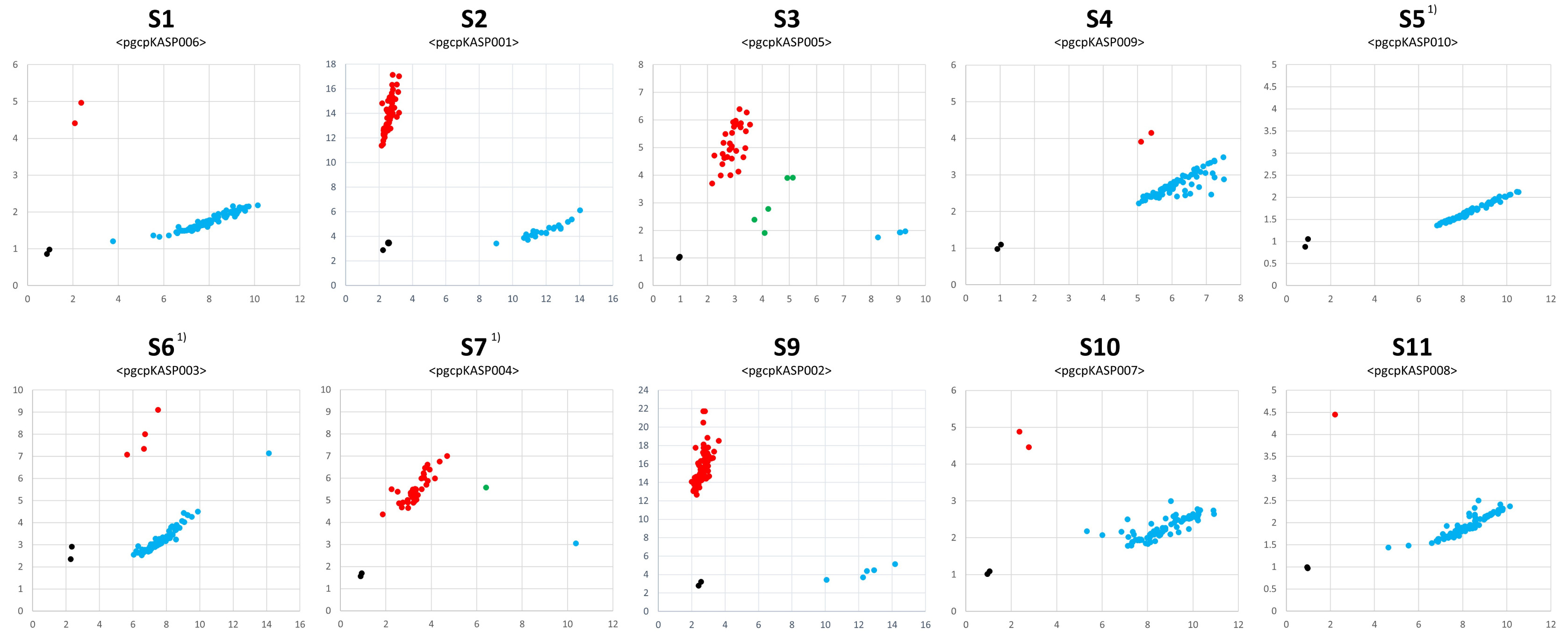
Fig. 3InDel variations showing various CNVs of repeat motifs. The number above each band represents the copy number of the repeat motif. (A) pgcp097f2*r marker –ID2, (B) pgcp137 marker - ID3, (C) pgycf1 marker - ID6, (D) pgcp139f*r2 marker – ID7. CNV: Copy number variation.
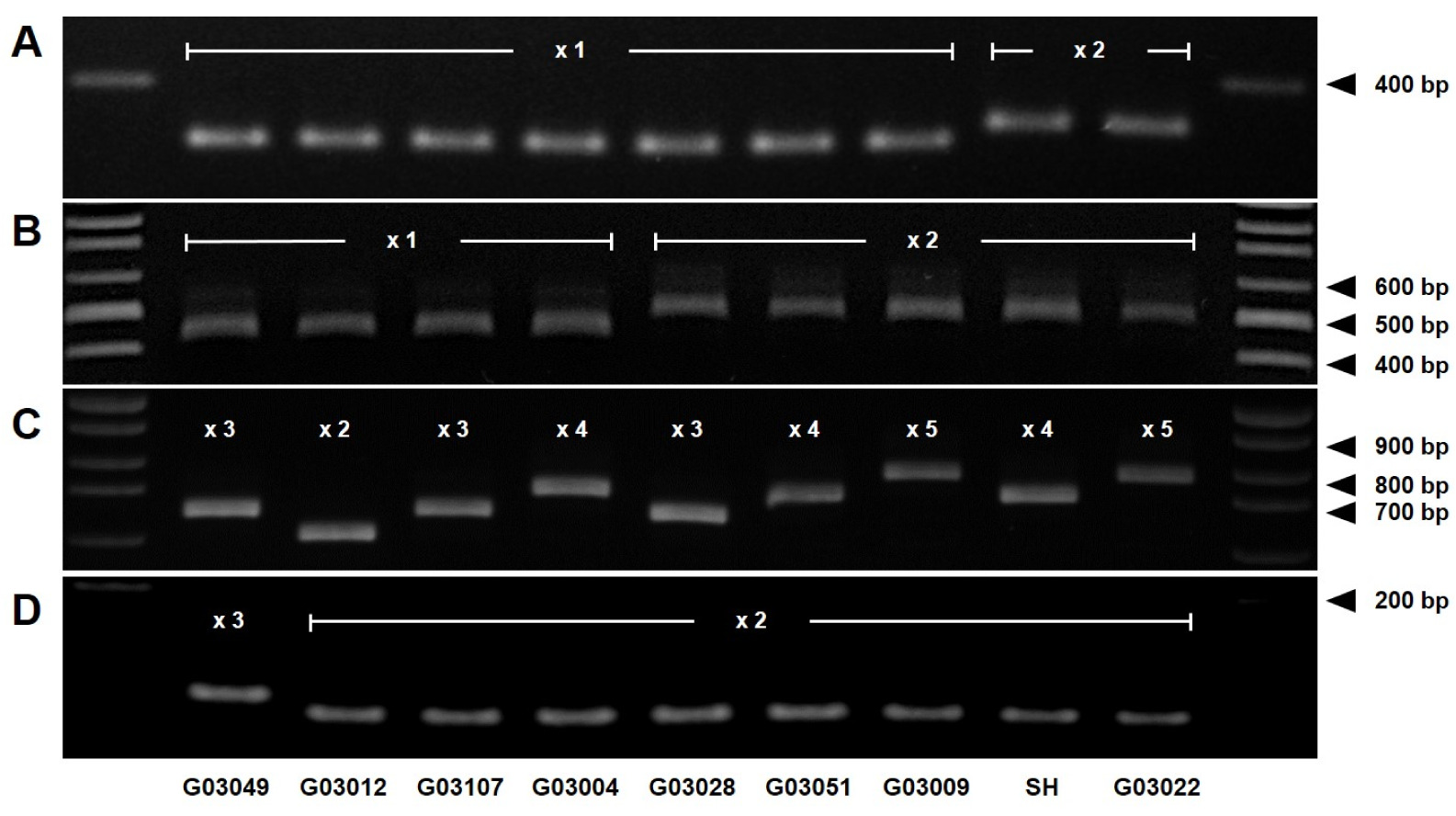
Fig. 4Haplotyping system based on plastome diversity in P. ginseng. Black circles represent each group, which were divided according to SNP genotypes. The size of the circle represents the proportion of individual plants in each group. The numbers in squares indicate the copy numbers of each TR unit. TR: Tandem repeat.
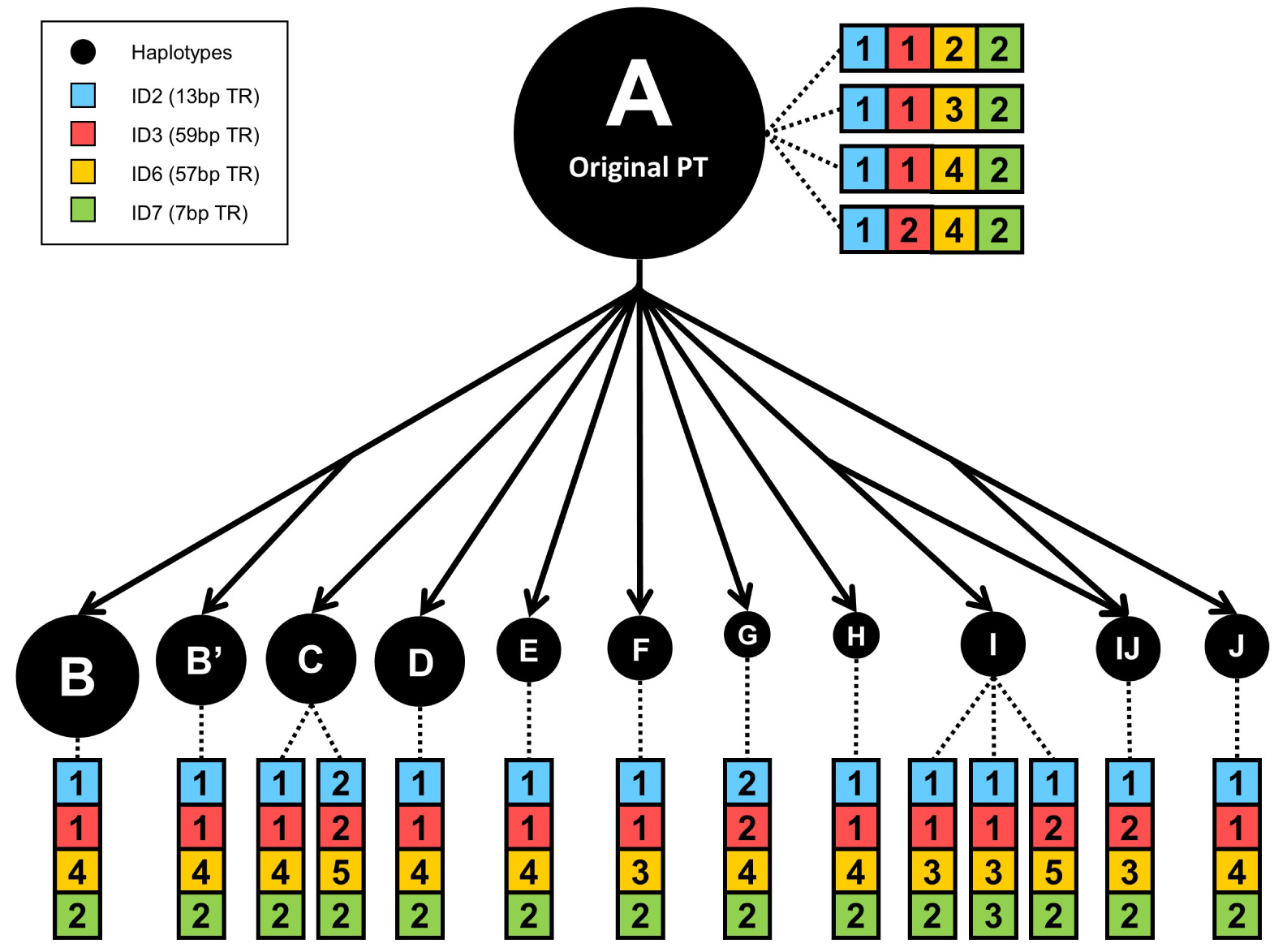
Table 1Summary of the variations identified in the ginseng plastomes.
Table 1
|
Variation type |
Plastome type |
|
1-1 |
1-2 |
1-3 |
1-4 |
1-5 |
2 |
3-1 |
3-2 |
4 |
5 |
6 |
7 |
8 |
9 |
10 |
|
Region |
Positionz)
|
VariationNo.u)
|
21Acc.t)
|
YSS |
JF2 |
HY1 |
JYH |
SH |
R2 |
3Acc.s)
|
3Acc.r)
|
JF3 |
KF1 |
2Acc.q)
|
M1 |
3Acc.p)
|
3Acc.o)
|
|
SNP |
LSC |
rps16∼trnQ-UUG
|
7,159v)
|
S1 |
|
G |
G |
G |
G |
G |
T |
G |
G |
G |
G |
G |
G |
G |
G |
G |
|
rpoC2 CDS |
21,344y),v)
|
S2 |
|
C |
C |
C |
C |
C |
C |
T |
T |
C |
C |
C |
C |
C |
C |
C |
|
rpoC1 CDS |
22,287x),v)
|
S3 |
|
G |
G |
G |
G |
G |
G |
G |
G |
T |
G |
G |
G |
G |
G |
G |
|
rpoC1 intron |
23,946w),v)
|
S4 |
|
A |
A |
A |
A |
A |
A |
A |
A |
A |
C |
A |
A |
A |
A |
A |
|
psaB CDS |
40,011y),w),v)
|
S5 |
|
C |
C |
C |
C |
C |
C |
C |
C |
C |
C |
T |
C |
C |
C |
C |
|
ycf3 intron |
44,895w),v)
|
S6 |
|
G |
G |
G |
G |
G |
G |
G |
G |
G |
G |
G |
T |
G |
G |
G |
|
IR |
ycf2 CDS |
90,858/151,519y),w),v)
|
S7 |
|
A |
A |
A |
A |
A |
A |
A |
A |
A |
A |
A |
A |
G |
A |
A |
|
SSC |
ndhF∼rpl32
|
115,466 |
S8 |
|
G |
G |
G |
G |
G |
T |
G |
G |
G |
G |
G |
G |
G |
G |
G |
|
ccsA CDS |
117,376x),v)
|
S9 |
|
A |
A |
A |
A |
A |
A |
A |
G |
A |
A |
A |
A |
A |
A |
A |
|
ndhD CDS |
118,525y),w),v)
|
S10 |
|
T |
T |
T |
T |
T |
T |
T |
T |
T |
T |
T |
T |
T |
A |
T |
|
ycf1 CDS |
127,069x),v)
|
S11 |
|
A |
A |
A |
A |
A |
A |
A |
A |
A |
A |
A |
A |
A |
A |
T |
|
InDel |
LSC |
rps16 intron |
5,473 |
ID1 |
|
(C)8
|
(C)9
|
(C)8
|
(C)8
|
(C)8
|
(C)8
|
(C)9
|
(C)9
|
(C)8
|
(C)8
|
(C)8
|
(C)9
|
(C)8
|
(C)8
|
(C)8
|
|
rps16∼trnQ-UUG
|
7,189 |
ID2 |
|
13×1 |
13×1 |
13×1 |
13×1 |
13×1 |
13×2 |
13×1 |
13×1 |
13×1 |
13×1 |
13×1 |
13×1 |
13×1 |
13×1 |
13×1 |
|
trnE-UUC∼trnT- GGU
|
32,850 |
ID3 |
|
59×1 |
59×1 |
59×1 |
59×1 |
59×1 |
59×2 |
59×1 |
59×1 |
59×1 |
59×1 |
59×1 |
59×1 |
59×1 |
59×1 |
59×1 |
|
psbZ∼trnG-UCC
|
38,191w)
|
ID4 |
|
(C)10
|
(C)10
|
(C)9
|
(C)10
|
(C)10
|
(C)10
|
(C)10
|
(C)10
|
(C)10
|
(C)10
|
(C)10
|
(C)10
|
(C)10
|
(C)10
|
(C)10
|
|
IR |
trnA-UGC intron |
105,431/136,936 |
ID5 |
|
(G)11
|
(G)11
|
(G)11
|
(G)10
|
(G)11
|
(G)10
|
(G)11
|
(G)11
|
(G)11
|
(G)11
|
(G)11
|
(G)11
|
(G)11
|
(G)11
|
(G)11
|
|
ycf1 CDS |
111,304/130,897 |
ID6 |
|
57×4 |
57×4 |
57×4 |
57×4 |
57×3 |
57×4 |
57×4 |
57×4 |
57×3 |
57×4 |
57×4 |
57×4 |
57×4 |
57×4 |
57×3 |
|
SSC |
rpl32∼trnL-UAG
|
115,833 |
ID7 |
|
7×2 |
7×2 |
7×2 |
7×2 |
7×2 |
7×2 |
7×2 |
7×2 |
7×3 |
7×2 |
7×2 |
7×2 |
7×2 |
7×2 |
7×2 |
Table 2Number and proportion of individuals for each plastome haplotype.
Table 2
|
Haplotype |
Variation No.z)
|
|
Country of origin |
|
Germplasm type |
Total (%) |
|
S2 |
S9 |
S6 |
S10 |
S7 |
S11 |
S1 |
S5 |
S3 |
S4 |
K |
C |
J |
R |
Cultivatedginseng |
Wildginseng |
|
A |
C |
A |
G |
T |
A |
A |
G |
C |
G |
A |
|
91 |
23 |
4 |
1 |
|
98 |
21 |
119 (60.1) |
|
B |
T |
· |
· |
· |
· |
· |
· |
· |
· |
· |
|
23 |
2 |
- |
8 |
|
24 |
9 |
33 (16.7) |
|
B’ |
T |
G |
· |
· |
· |
· |
· |
· |
· |
· |
|
10 |
- |
- |
- |
|
6 |
4 |
10 (5.1) |
|
C |
· |
· |
T |
· |
· |
· |
· |
· |
· |
· |
|
5 |
1 |
- |
- |
|
5 |
1 |
6 (3.0) |
|
D |
· |
· |
· |
A |
· |
· |
· |
· |
· |
· |
|
5 |
1 |
- |
- |
|
4 |
2 |
6 (3.0) |
|
E |
· |
· |
· |
· |
G |
· |
· |
· |
· |
· |
|
2 |
- |
2 |
- |
|
4 |
- |
4 (2.0) |
|
F |
· |
· |
· |
· |
· |
T |
· |
· |
· |
· |
|
2 |
1 |
- |
- |
|
3 |
- |
3 (1.5) |
|
G |
· |
· |
· |
· |
· |
· |
T |
· |
· |
· |
|
2 |
- |
- |
- |
|
2 |
- |
2 (1.0) |
|
H |
· |
· |
· |
· |
· |
· |
· |
T |
· |
· |
|
1 |
- |
- |
- |
|
1 |
- |
1 (0.5) |
|
I |
· |
· |
· |
· |
· |
· |
· |
· |
T |
· |
|
7 |
- |
1 |
- |
|
7 |
1 |
8 (4.0) |
|
J |
· |
· |
· |
· |
· |
· |
· |
· |
· |
C |
|
2 |
- |
1 |
- |
|
2 |
1 |
3 (1.5) |
|
IJ |
· |
· |
· |
· |
· |
· |
· |
· |
T |
C |
|
2 |
1 |
- |
- |
|
3 |
- |
3 (1.5) |
References
- Allen GC, Flores-Vergara MA, Krasnyanski S, Kumar S, Thompson WF. 2006. A modified protocol for rapid DNA isolation from plant tissues using cetyltrimethylammonium bromide. Nat. Protoc.. 1(5): 2320-2325.
- Altschul SF, Gish W, Miller W, Myers EW, Lipman DJ. 1990. Basic Local Alignment Search Tool. J. Mol. Biol.. 215(3): 403-410.
- Attele AS, Wu JA, Yuan CS. 1999. Ginseng pharmacology - Multiple constituents and multiple actions. Biochem. Pharmacol.. 58(11): 1685-1693.
- Bachvaroff TR, Concepcion GT, Rogers CR, Herman EM, Delwiche CF. 2004. Dinoflagellate expressed indicate massive transfer to the nuclear genome sequence tag data of chloroplast genes. Protist.. 155(1): 65-78.
- Baeg IH, So SH. 2013. The world ginseng market and the ginseng (Korea). J. Ginseng Res.. 37(1): 1-7.
- Birky CW. 1995. Uniparental inheritance of mitochondrial and chloroplast genes - Mechanisms and evolution. Proc. Natl. Acad. Sci. USA.. 92(25): 11331-11338.
- Choi HI, Kim NH, Kim JH, Choi BS, Ahn IO, Lee JS, et al. 2011. Development of reproducible EST-derived SSR markers and assessment of genetic diversity in Panax ginseng cultivars and related species. J. Ginseng Res.. 35(4): 399-412.
- Choi KT. 2008. Botanical characteristics, pharmacological effects and medicinal components of Korean Panax ginseng C A Meyer. Acta. Pharmacol. Sin.. 29(9): 1109-1118.
- Dong WP, Liu J, Yu J, Wang L, Zhou SL. 2012. Highly variable chloroplast markers for evaluating plant phylogeny at low taxonomic levels and for DNA barcoding. PLoS ONE.. 7(4): e35071
- Huang H, Shi C, Liu Y, Mao SY, Gao LZ. 2014. Thirteen Camellia chloroplast genome sequences determined by high-throughput sequencing: Genome structure and phy-logenetic relationships. Bmc Evol. Biol.. 14(1): 1-17.
- Jakobsson M, Säll T, Lind‐Halldén C, Halldén C. 2007. The evolutionary history of the common chloroplast genome of Arabidopsis thaliana and A. suecica. J. Evol. Biol.. 20(1): 104-121.
- Jang W, Jang Y, Kim NH, Waminal NE, Kim YC, Lee JW, et al. 2020a. Genetic diversity among cultivated and wild Panax ginseng populations revealed by high-resolution microsatellite markers. J. Ginseng Res.. 44(4): 637-643.
- Jang W, Lee HO, Kim JU, Lee JW, Hong CE, Bang KH, et al. 2020b. Complete mitochondrial genome and a set of 10 novel kompetitive allele-specific PCR markers in ginseng (Panax ginseng CA Mey.). Agronomy.. 10(12): 1868
- Jayakodi M, Choi BS, Lee SC, Kim NH, Park JY, Jang W, et al. 2018. Ginseng Genome Database: An open-access platform for genomics of Panax ginseng. Bmc Plant. Biol.. 18(1): 1-7.
- Ji YH, Liu CK, Yang ZY, Yang LF, He ZS, Wang HC, et al. 2019. Testing and using complete plastomes and ribosomal DNA sequences as the next generation DNA barcodes in Panax (Araliaceae). Mol. Ecol. Resour.. 19(5): 1333-1345.
- Jiang D, Zhao ZY, Zhang T, Zhong WH, Liu CS, Yuan QJ, et al. 2017. The chloroplast genome sequence of Scutellaria baicalensis provides insight into intraspecific and inter-specific chloroplast genome diversity in Scutellaria. Genes.. 8(9): 227
- Joh HJ, Kim N-H, Jayakodi M, Jang W, Park JY, Kim YC, et al. 2017. Authentication of golden-berry P. ginseng cultivar 'Gumpoong' from a landrace 'Hwangsook' based on pooling method using chloroplast-derived markers. Plant Breed. Biotech.. 5(1): 16-24.
- Kane N, Sveinsson S, Dempewolf H, Yang JY, Zhang DP, Engels JMM, et al. 2012. Ultra-barcoding in Cacao (Theobroma Spp.; Malvaceae) using whole chloroplast genomes and nuclear ribosomal DNA. Am. J. Bot.. 99(2): 320-329.
- Katoh K, Standley DM. 2013. MAFFT multiple sequence alignment software version 7: Improvements in performance and usability. Mol. Biol. Evol.. 30(4): 772-780.
- Kim JU, Hyun DY, Shim H, Yang TJ, Kim YC. 2021. Breeding of superior ginseng cultivars. In: Xu J, Yang TJ, Hu H, editors. The Ginseng Genome. Springer, Cham. pp. 45-54.
- Kim K, Lee SC, Lee J, Yu Y, Yang K, Choi BS, et al. 2015a. Complete chloroplast and ribosomal sequences for 30 accessions elucidate evolution of Oryza AA genome spe-cies. Sci. Rep.. 5(1): 1-13.
- Kim K, Lee SC, Lee J, Lee HO, Joh HJ, Kim NH, et al. 2015b. Comprehensive survey of genetic diversity in chloroplast genomes and 45S nrDNAs within Panax ginseng species. PLoS ONE.. 10(6): e0117159
- Kim K, Nguyen VB, Dong JZ, Wang Y, Park JY, Lee SC, et al. 2017. Evolution of the Araliaceae family inferred from complete chloroplast genomes and 45S nrDNAs of 10 Panax-related species. Sci. Rep.. 7(1): 1-9.
- Kim KJ, Lee HL. 2004. Complete chloroplast genome sequences from Korean ginseng (Panax schinseng Nees) and comparative analysis of sequence evolution among 17 vascular plants. DNA Res.. 11(4): 247-261.
- Kim NH, Choi HI, Ahn IO, Yang TJ. 2012. EST-SSR marker sets for practical authentication of all nine registered ginseng cultivars in Korea. J. Ginseng Res.. 36(3): 298-307.
- Kim NH, Choi HI, Kim KH, Jang W, Yang TJ. 2014. Evidence of genome duplication revealed by sequence analysis of multi-loci expressed sequence tag-simple sequence repeat bands in Panax ginseng Meyer. J. Ginseng Res.. 38(2): 130-135.
- Kim NH, Jayakodi M, Lee SC, Choi BS, Jang W, Lee J, et al. 2018. Genome and evolution of the shade-requiring medicinal herb Panax ginseng. Plant Biotechnol, J,. 16(11): 1904-1917.
- Kurtz S, Phillippy A, Delcher AL, Smoot M, Shumway M, Antonescu C, et al. 2004. Versatile and open software for comparing large genomes. Genome Biol.. 5(2): 1-9.
- Lee HO, Joh HJ, Kim K, Lee SC, Kim NH, Park JY, et al. 2019. Dynamic chloroplast genome rearrangement and DNA barcoding for three Apiaceae species known as the medicinal herb "Bang-poong". Int. J. Mol. Sci.. 20(9): 2196
- Leister D. 2005. Origin, evolution and genetic effects of nuclear insertions of organelle DNA. Trends Genet.. 21(12): 655-663.
- Manzanilla V, Kool A, Nguyen NL, Nong VH, Le TTH, de Boer HJ. 2018. Phylogenomics and barcoding of Panax: toward the identification of ginseng species. BMC Evol. Biol.. 18(1): 1-14.
- Mohan M, Nair S, Bhagwat A, Krishna TG, Yano M, Bhatia CR, et al. 1997. Genome mapping, molecular markers and marker-assisted selection in crop plants. Mol. Breed.. 3(2): 87-103.
- Nguyen VB, Giang VNL, Waminal NE, Park HS, Kim NH, Jang W, et al. 2020. Comprehensive comparative analy-sis of chloroplast genomes from seven Panax species and development of an authentication system based on species- unique single nucleotide polymorphism markers. J. Ginseng Res.. 44(1): 135-144.
- Park HS, Jayakodi M, Le SH, Jeon JH, Lee HO, Park JY, et al. 2020. Mitochondrial plastid DNA can cause DNA barcoding paradox in plants. Sci. Rep.. 10(1): 1-12.
- Pfannschmidt T, Nilsson A, Allen JF. 1999. Photosynthetic control of chloroplast gene expression. Nature.. 397(6720): 625-628.
- Semagn K, Babu R, Hearne S, Olsen M. 2014. Single nucleotide polymorphism genotyping using Kompetitive Allele Specific PCR (KASP): Overview of the technology and its application in crop improvement. Mol. Breed.. 33(1): 1-14.
- Straub SCK, Cronn RC, Edwards C, Fishbein M, Liston A. 2013. Horizontal transfer of DNA from the mitochondrial to the plastid genome and its subsequent evolution in Milkweeds (Apocynaceae). Genome Biol. Evol.. 5(10): 1872-1885.
- Tillich M, Lehwark P, Pellizzer T, Ulbricht-Jones ES, Fischer A, Bock R, et al. 2017. GeSeq - Versatile and accurate annotation of organelle genomes. Nucleic Acids Res.. 45(W1): W6-W11.
- Vettori C, Vendramin GG, Anzidei M, Pastorelli R, Paffetti D, Giannini R. 2004. Geographic distribution of chloro-plast variation in Italian populations of beech (Fagus sylvatica L.). Theor. Appl. Genet.. 109(1): 1-9.
- Wang D, Wu YW, Shih ACC, Wu CS, Wang YN, Chaw SM. 2007. Transfer of chloroplast genomic DNA to mito-chondrial genome occurred at least 300 MYA. Mol. Biol. Evol.. 24(9): 2040-2048.
- Wang KY, Li L, Zhao MZ, Li SK, Sun HH, Zhang MP, et al. 2018. Characterization of the complete chloroplast genome of Jilin ginseng (Panax ginseng C. A. Meyer) using next generation sequencing. Mitochondrial DNA Part B.. 3(2): 685-686.
- Wang XC, Chen HM, Yang D, Liu C. 2018. Diversity of mitochondrial plastid DNAs (MTPTs) in seed plants. Mitochondrial DNA Part A.. 29(4): 635-642.
- Yun TK. 2001. Brief introduction of Panax ginseng CA Meyer. J. Korean Med. Sci.. 16: S3-S5.
- Zhang H, Abid S, Ahn JC, Mathiyalagan R, Kim YJ, Yang DC, et al. 2020. Characteristics of Panax ginseng cultivars in Korea and China. Molecules.. 25(11): 2635
- Zhao YB, Yin JL, Guo HY, Zhang YY, Xiao W, Sun C, et al. 2015. The complete chloroplast genome provides insight into the evolution and polymorphism of Panax ginseng. Front. Plant. Sci.. 5: 696